

Wild places
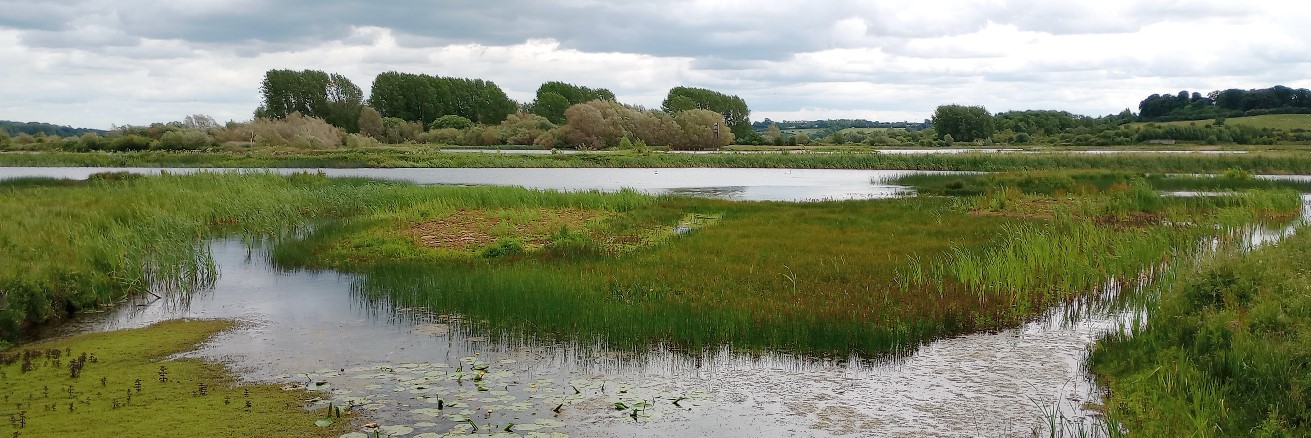
NatureSpot features over 500 sites across Leicestershire and Rutland as Wild Places. These showcase many of the best places to see wildlife in our area. Each Wild Place page displays the records and images submitted for that location - which update automatically as additional records are received. A full species list for each site is also available.
Private Wild Places
By arrangement, we can set up Wild Place feature pages for private gardens, grounds, farms, estates and other areas without public access. These work just as any other Wild Place page except they are not included in the menus and maps and are only viewable using the private URL provided. We ask for a donation for setting up a private Wild Place - the amount is up to you! Get in touch if you are interested by emailing info@naturespot.org
New Wild Places?
If you know of a site with wildlife interest that could be featured as a Wild Place page then let us know. Wild Places should meet the following criteria:
- must either be entirely in public access (such as a Country Park), or have a public right of way (PROW) through them or adjacent to them from which the site can be viewed OR the landowner has given consent for the land to become a Wild Place. (A PROW as defined by the Highways Authority: in Leicestershire; in Rutland).
- must consist largely of existing habitats of significance to wildlife - e.g. woodland, wetland, watercourse, heathland, open mosaic habitats, unimproved/semi-improved or species-rich grassland, parkland, orchard, scrubland. Sites which consist mainly of arable and cultivated land or just improved grassland are not suitable as Wild Places. (See Leicestershire's Biodiversity Action Plan and the Leicestershire and Rutland Local Nature Recovery Strategy).
Please note that NatureSpot's designation of a site as a Wild Place does not confer any legal or protected status to the land, and has no weight within the planning system. Neither does it confer any additional public rights of use or access to the land.
Explore Wild Places
To explore the Wild Places of Leicestershire and Rutland:
- zoom into the map and click on any site to show its details below
- use the filters below to find sites in your district or parish
- type any part of the site name to search for a particular site
Just click on APPLY when you have entered your selection. Alternatively you can browse the full list below.
Key: Wild Places (outlined in orange); Public Rights of Way (green); county boundaries (blue), parish boundaries (lilac)