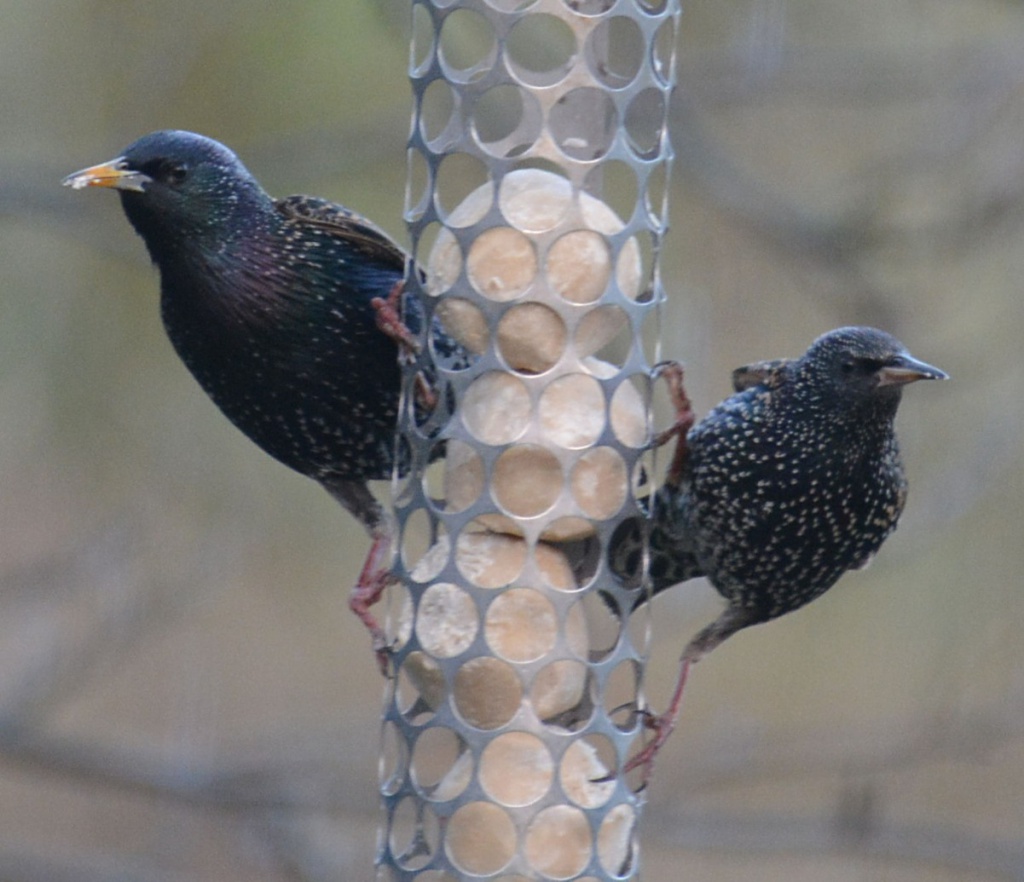
Starling - Sturnus vulgaris
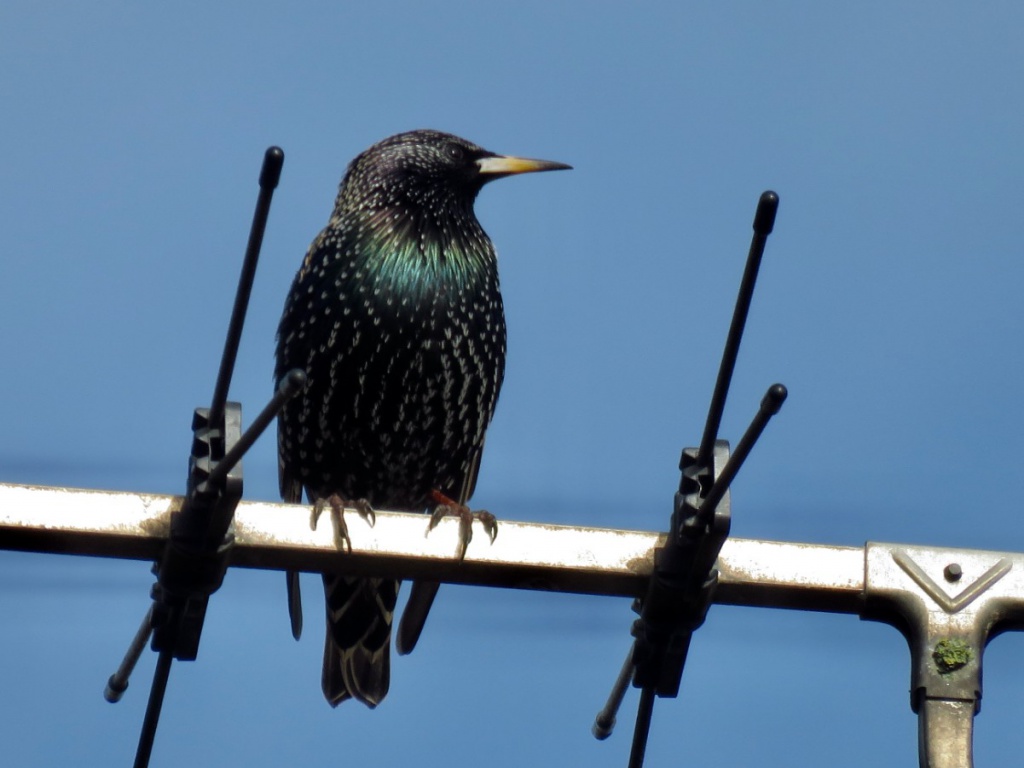
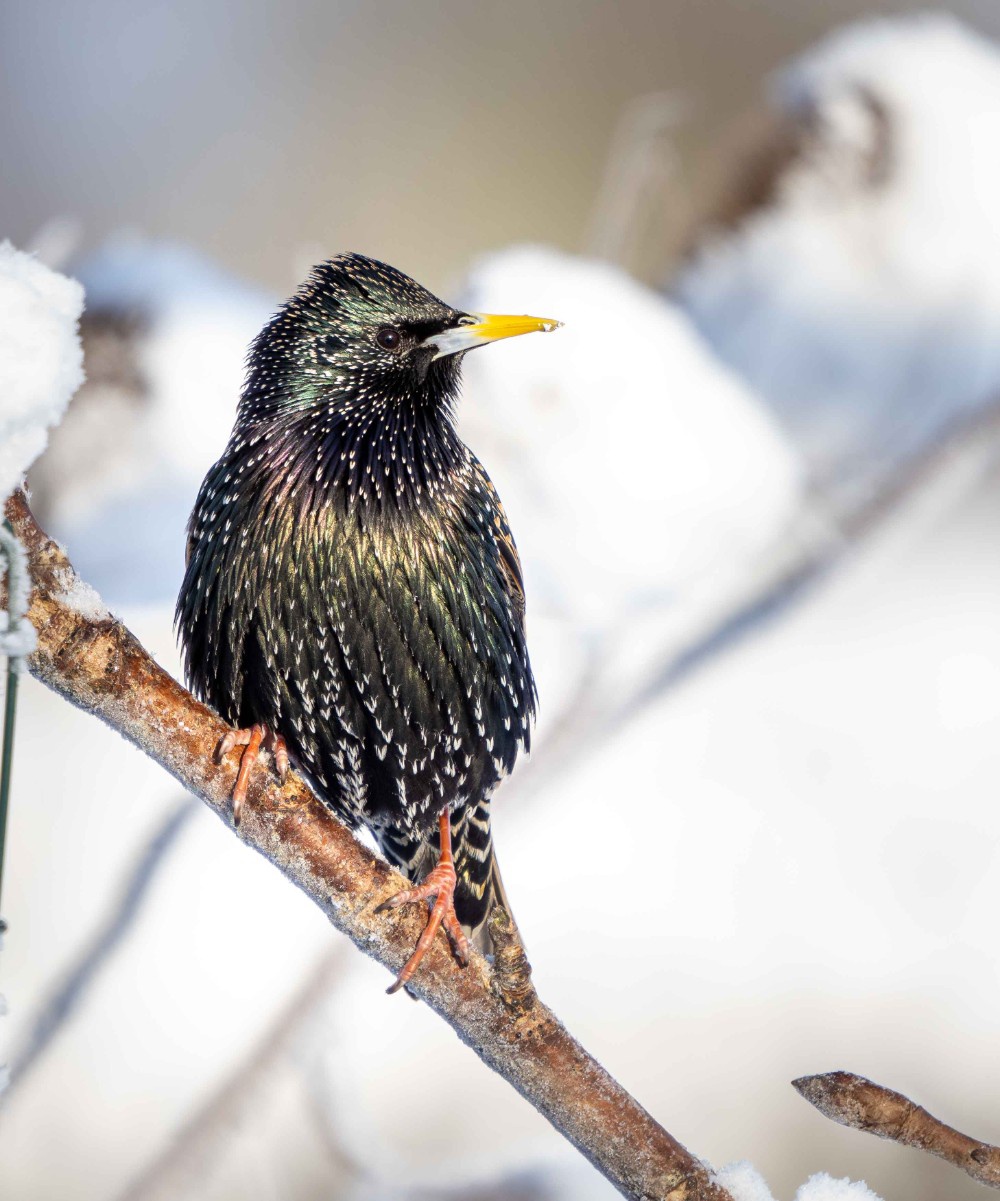
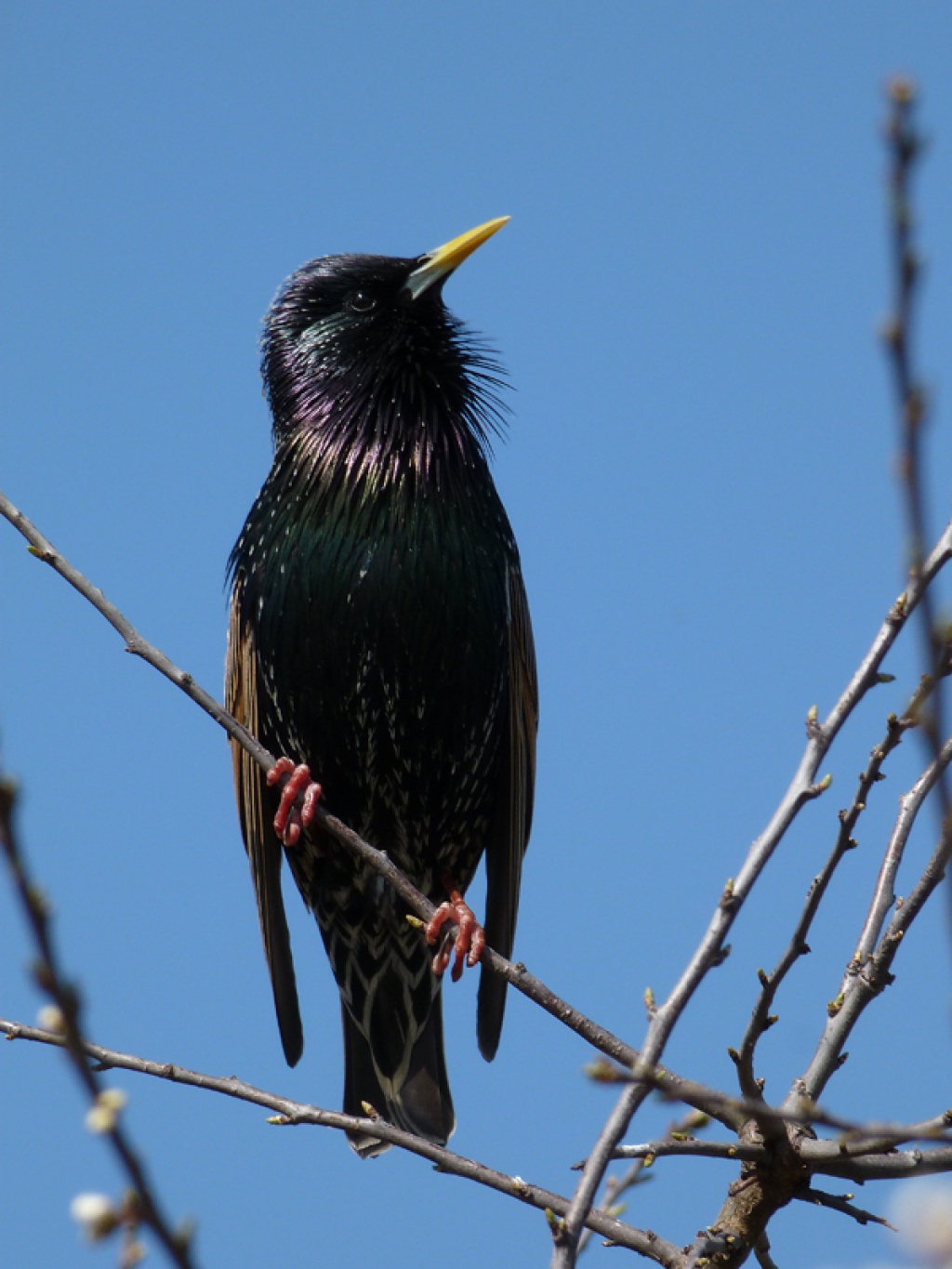
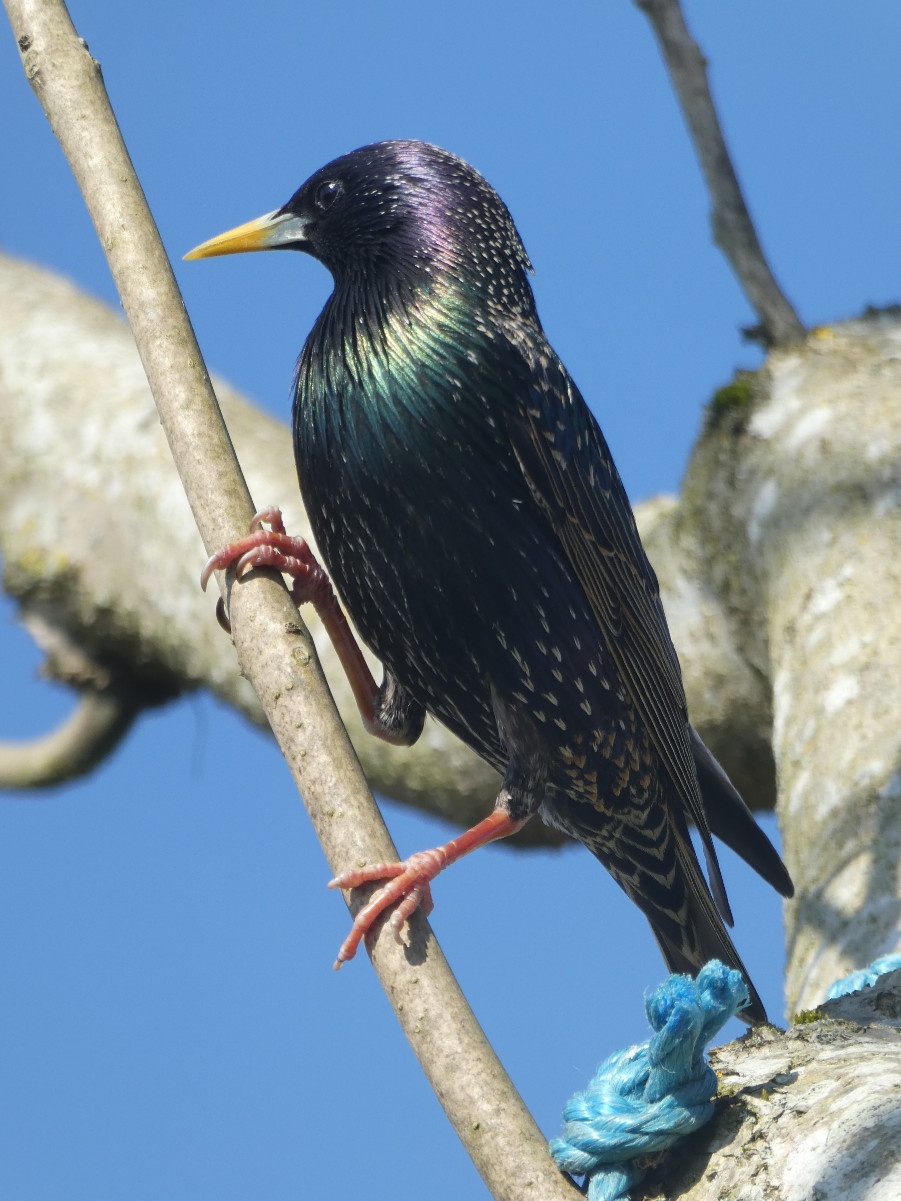
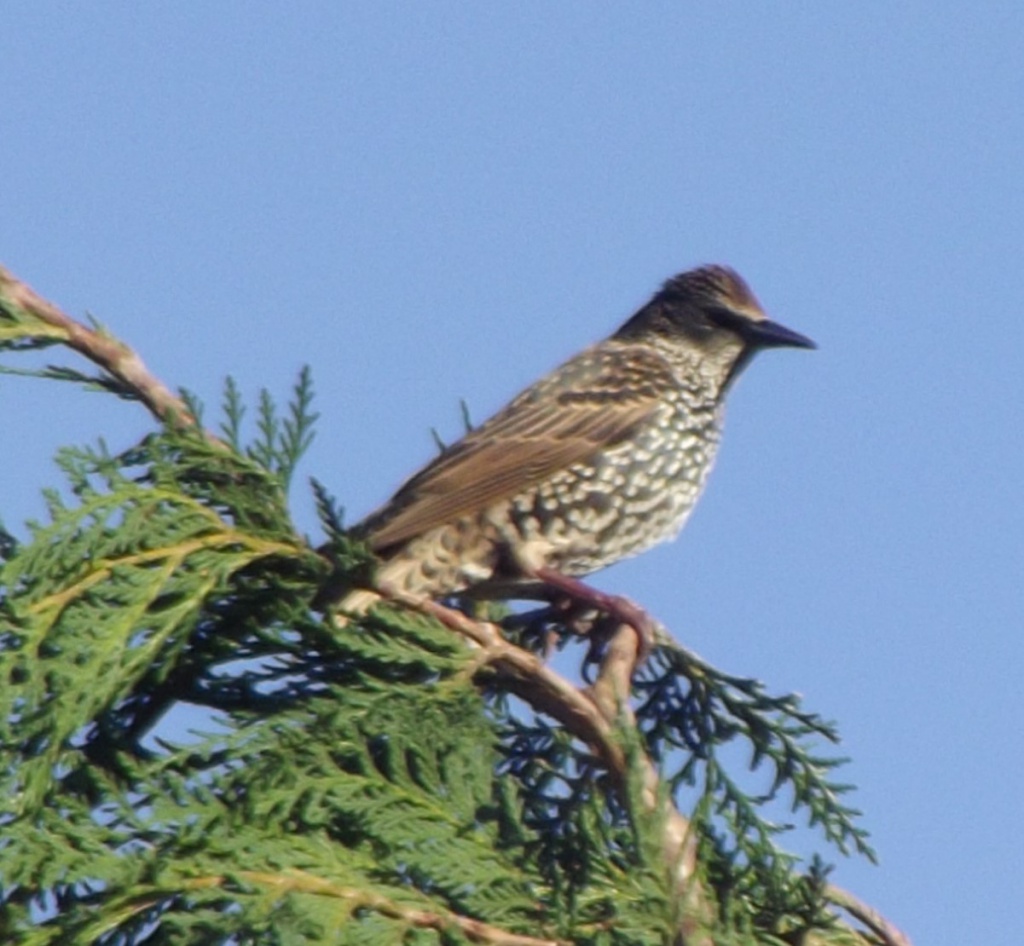
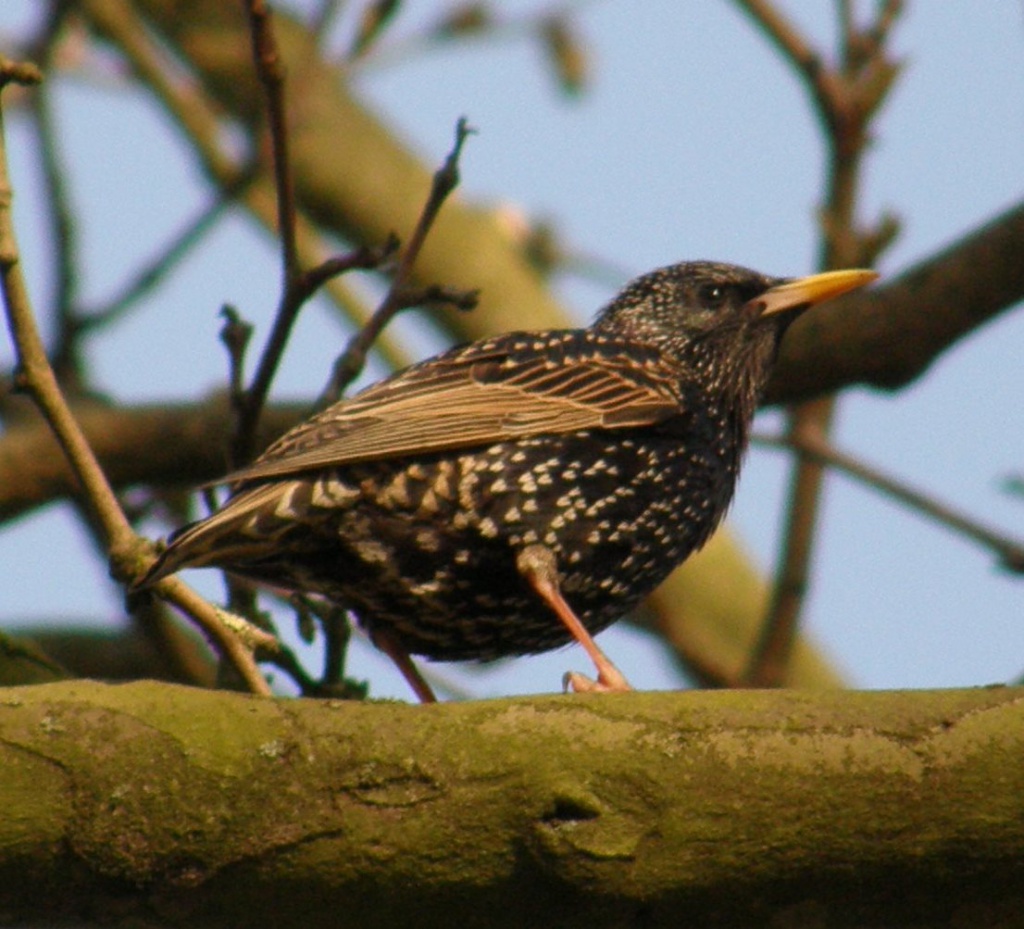
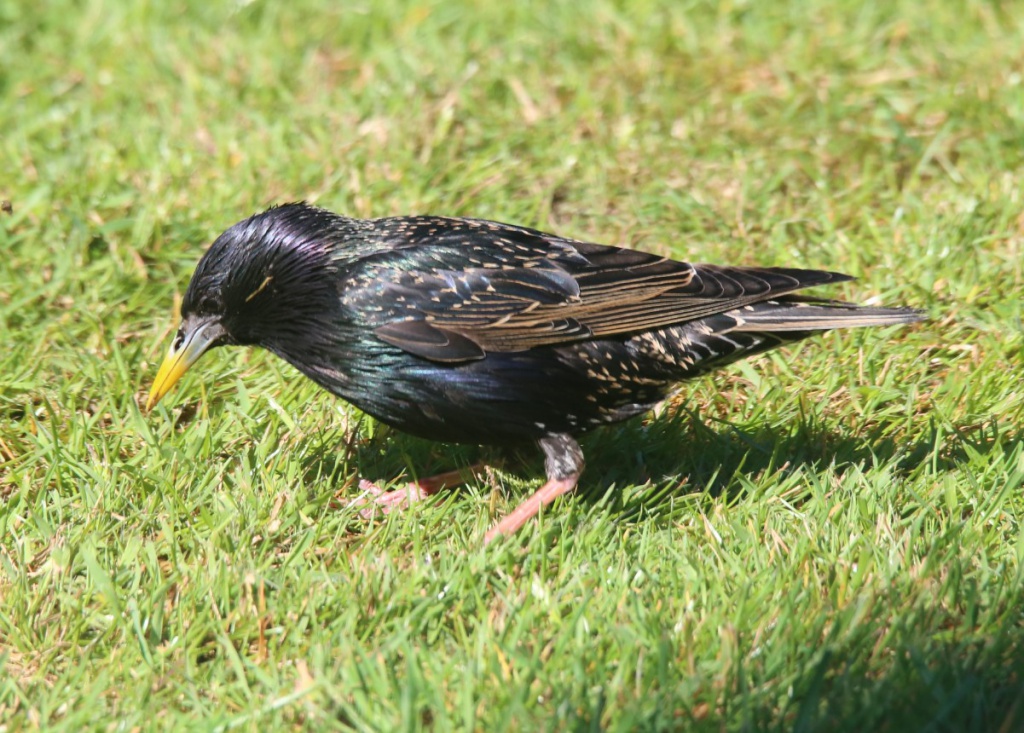
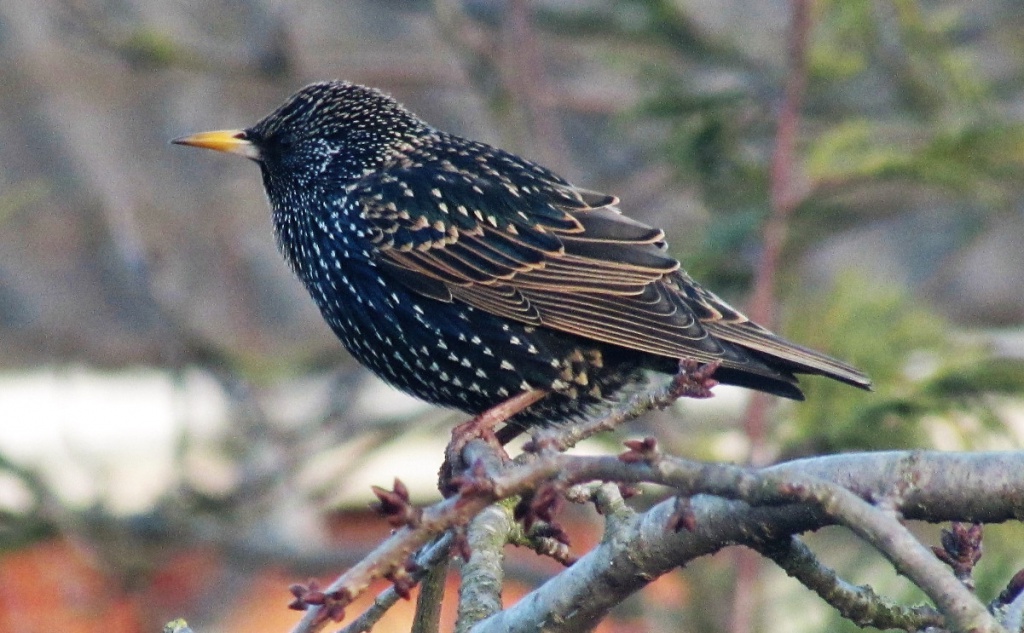
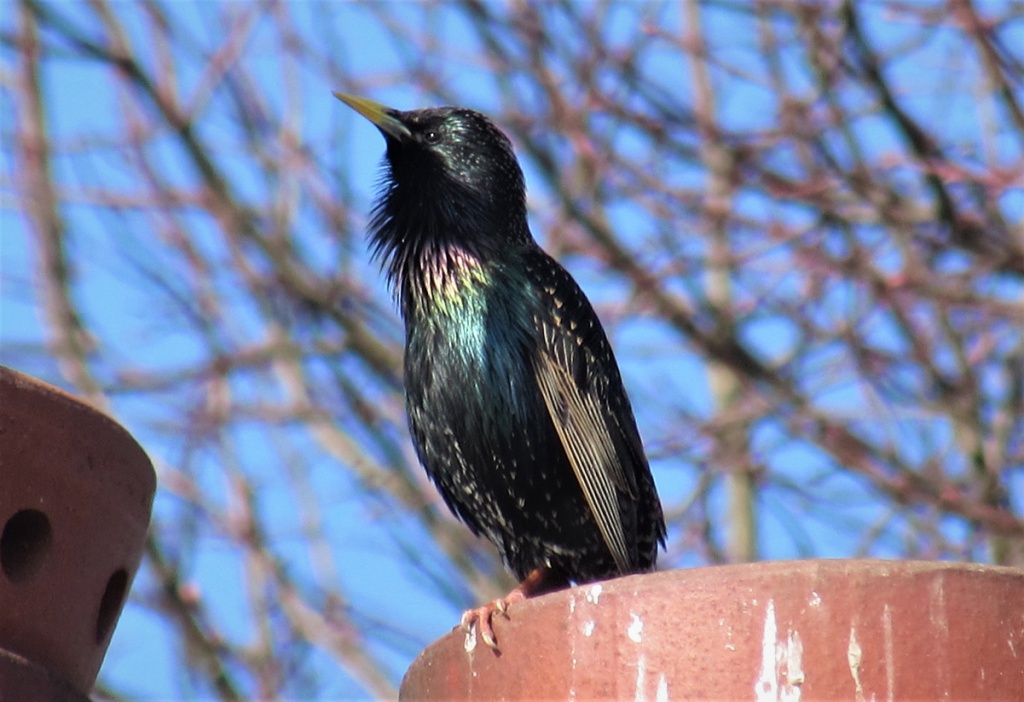
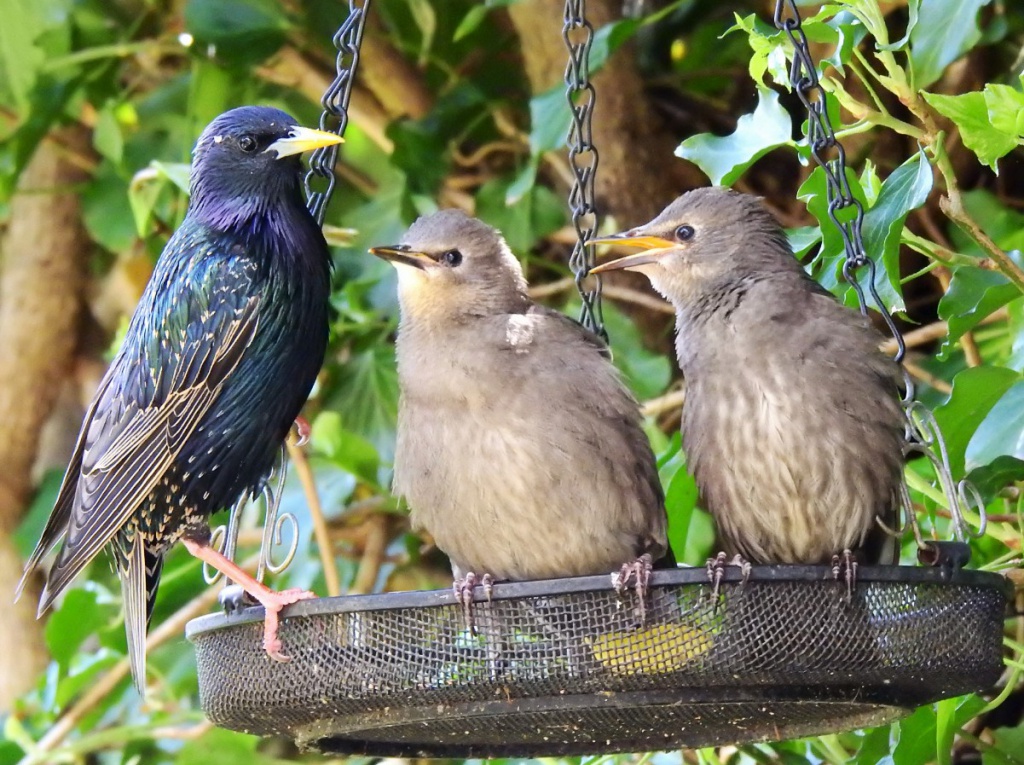
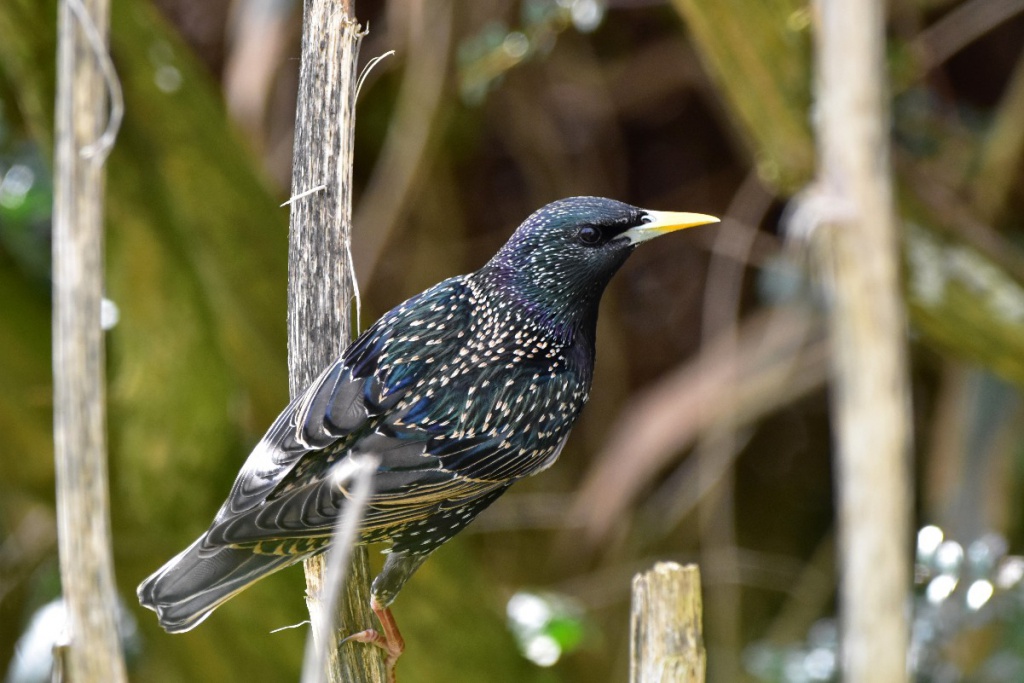
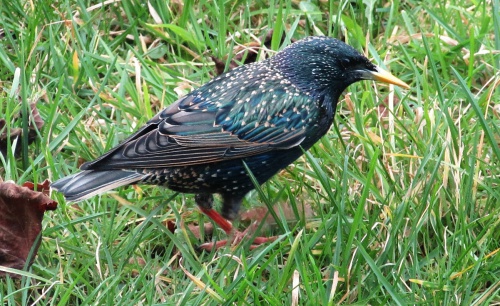
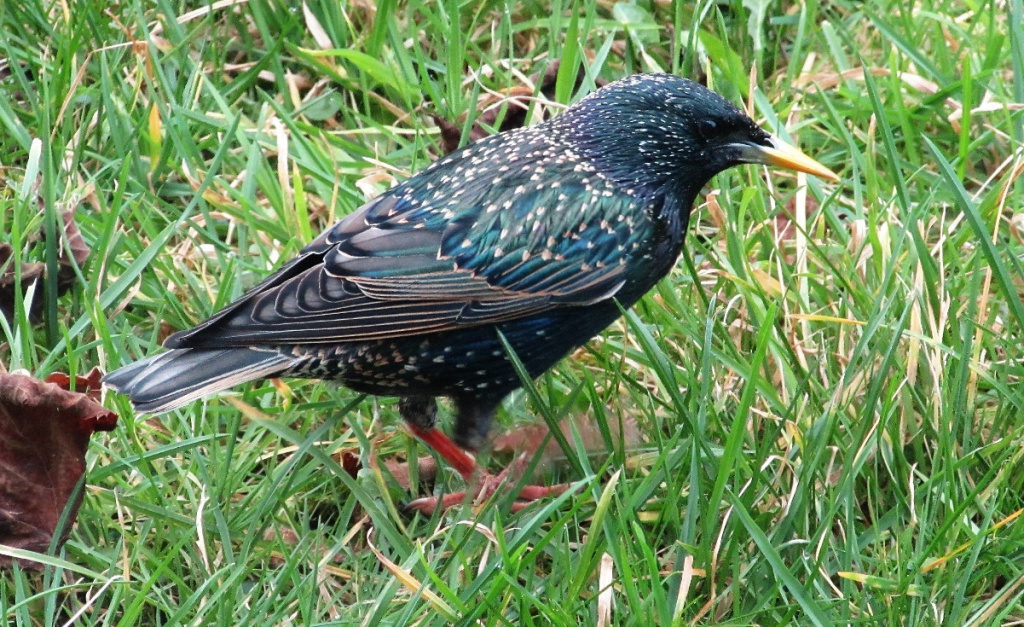
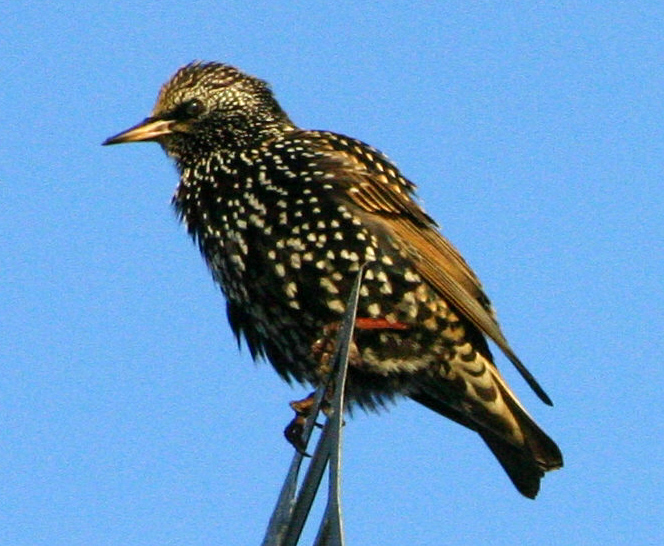
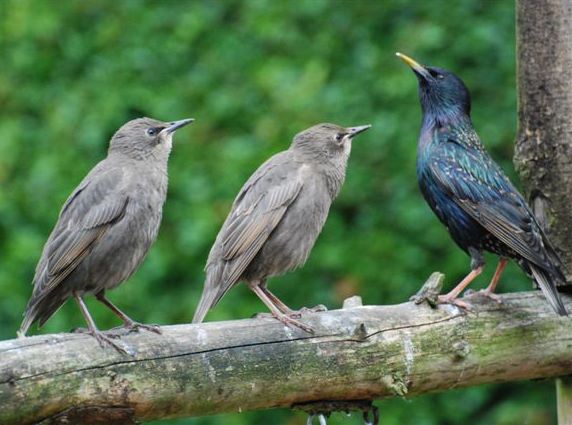
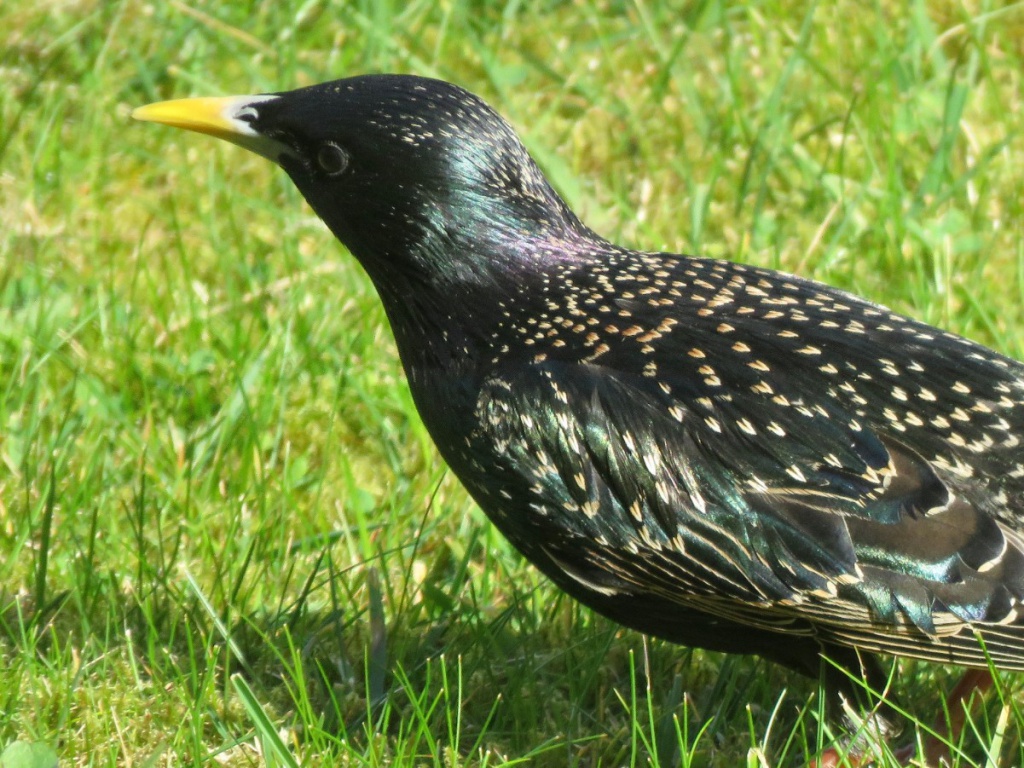
With their short tail, pointed head and triangular wings, starlings look like black jet fighters in flight. When seen closer they are very glossy with sheen of purples and greens. Breeding males have a blue base to their bill. Noisy and gregarious, Starlings spend a lot of the year in flocks. Still a common garden bird, its decline elsewhere makes it a Red List species.

Conspicuous and widespread in the UK, occurring everywhere except for the highest parts of the Scottish Highlands. They are most abundant in southern England. Huge winter roosts can be found in plantations, reed beds and city centres.
All year round. Large numbers arrive in autumn to spend the winter here.
Starlings eat invertebrates but they will also consume just about anything. They can often be seen on grassland probing into the soil for invertebrates.
Common and widespread in Britain
Abundant throughout the year in Leicestershire and Rutland and as a breeding bird here.
 Dave Gamble
Shanklin Gardens Leicester Forest East
17 March 2015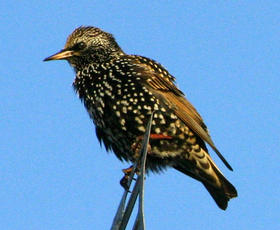 David Nicholls
Groby
01 January 2005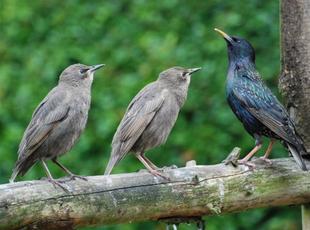 John Cranfield
Fleckney garden1
07 June 2008
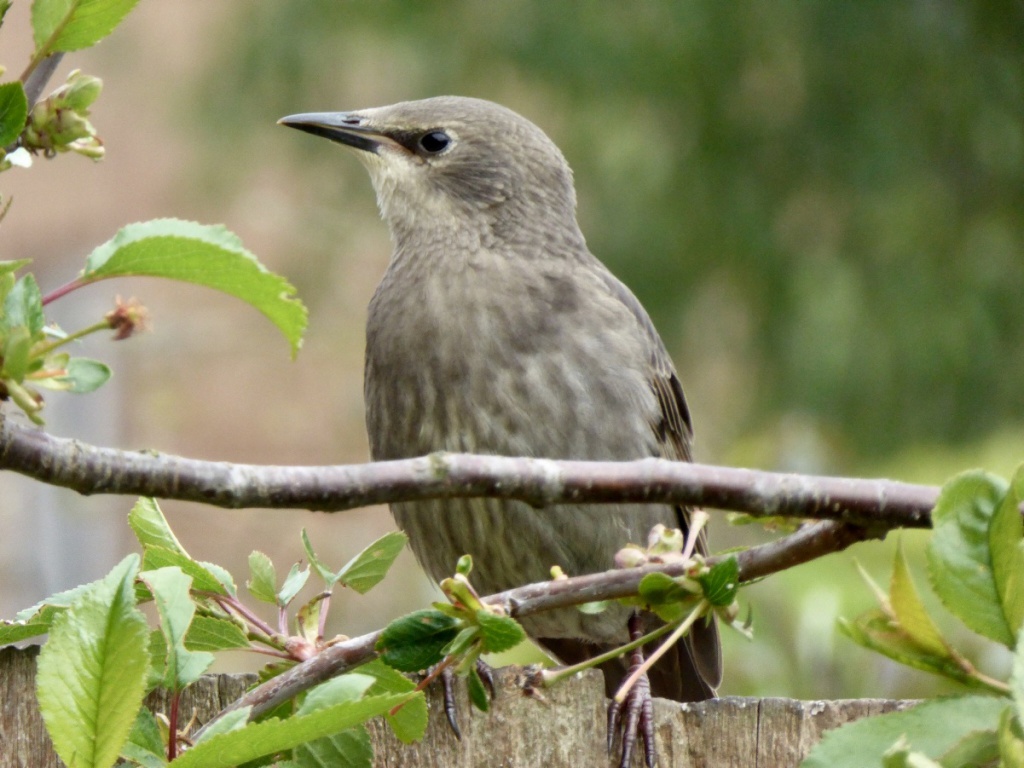
juveniles with adult male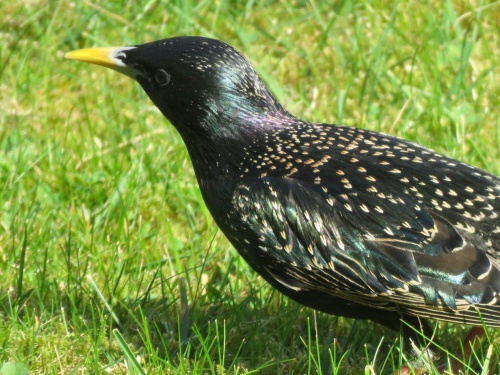 egaten
Thurlaston garden
06 April 2020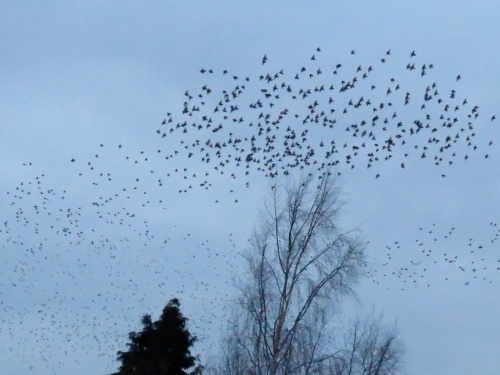 egaten
Earl Shilton
26 February 2016
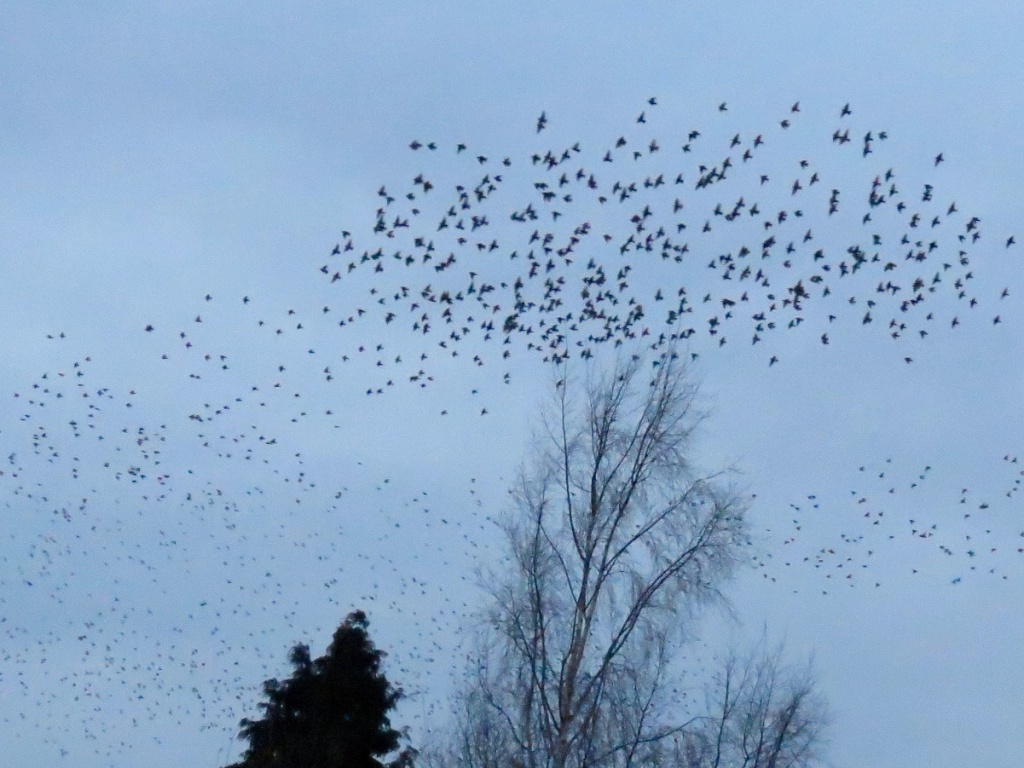
mumuration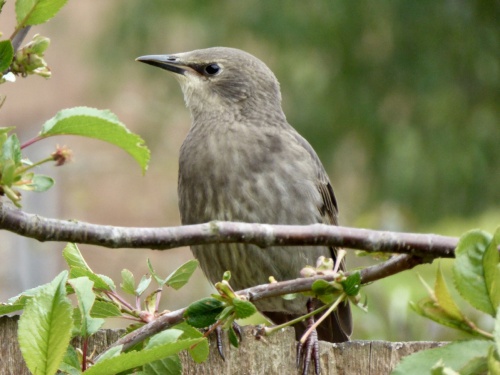 Lindsi Donovan
Loughborough garden
20 May 2019
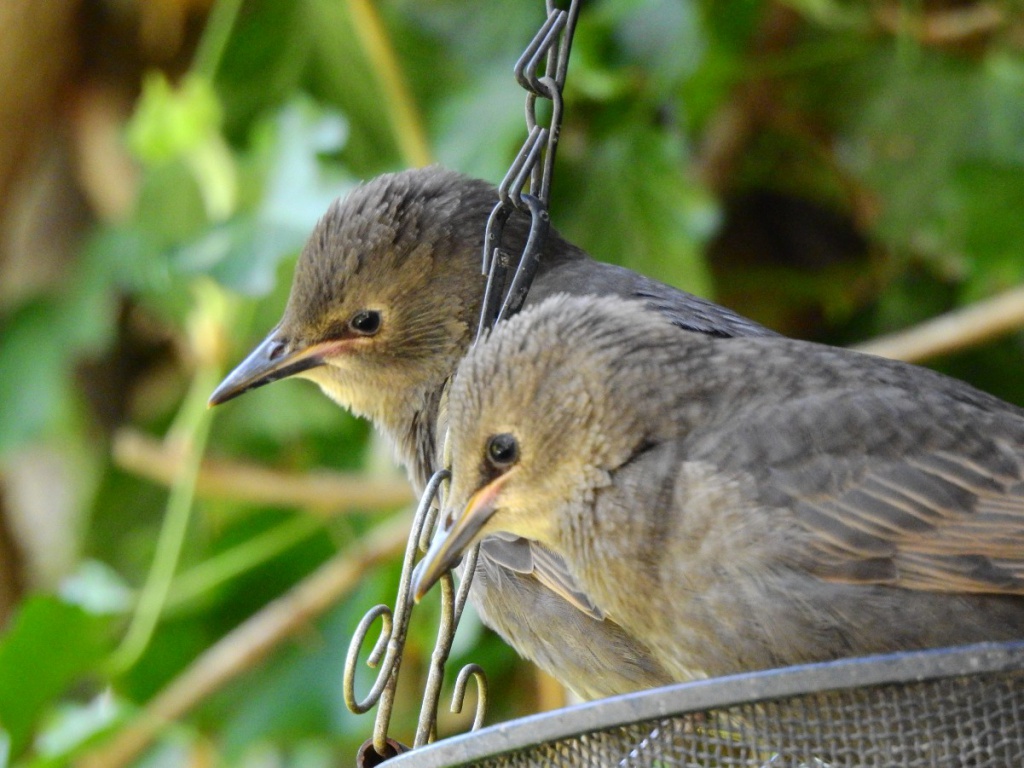
Juvenile
Leicestershire & Rutland Map
Enter a town or village to see local records
MAP KEY:
Yellow squares = NBN records (all known data)
Coloured circles = NatureSpot records: 2025+ | 2020-2024 | pre-2020
UK Map
Species profile
- Common names
- Starling, Common Starling
- Species group:
- Birds
- Kingdom:
- Animalia
- Order:
- Passeriformes
- Family:
- Sturnidae
- Records on NatureSpot:
- 1056
- First record:
- 02/06/1996 (John Thickitt)
- Last record:
- 01/02/2026 (Pugh, Dylan)
Total records by month
% of records within its species group
10km squares with records
The latest images and records displayed below include those awaiting verification checks so we cannot guarantee that every identification is correct. Once accepted, the record displays a green tick.
In the Latest Records section, click on the header to sort A-Z, and again to sort Z-A. Use the header boxes to filter the list.
Latest images
Latest records
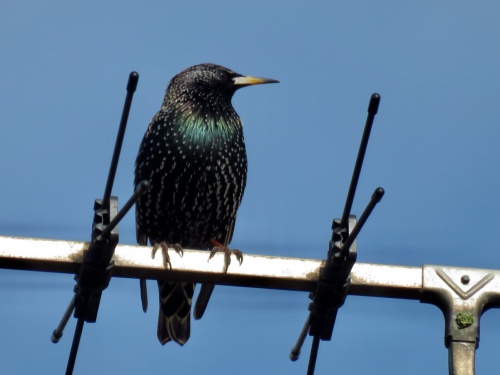 egaten
Thurlaston garden
02 February 2021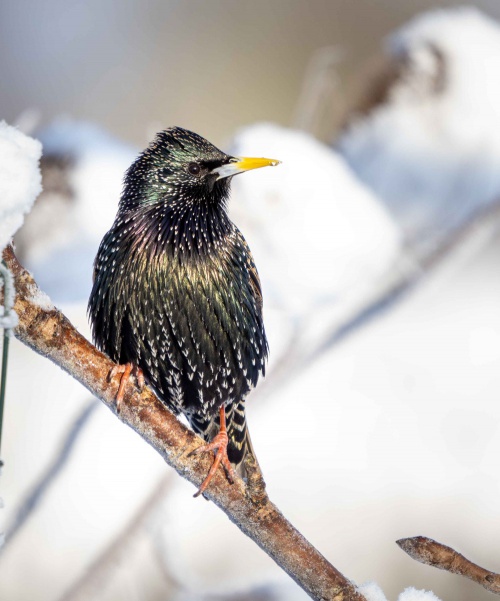 Catherine Thomson
Burton Common
25 January 2021
Starling in the snow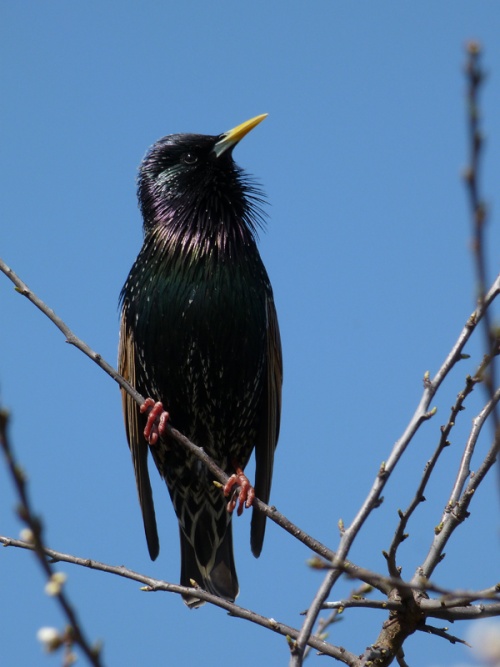 Mark Skevington
Whetstone
01 April 2012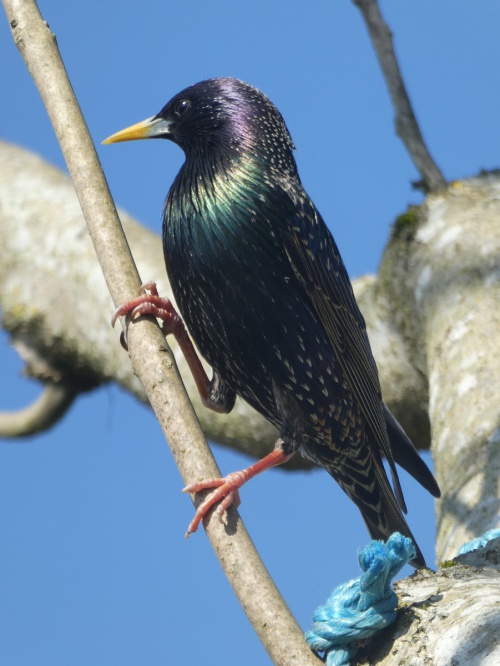 Melinda Bell
Ashby,Leicester Road garden
16 April 2020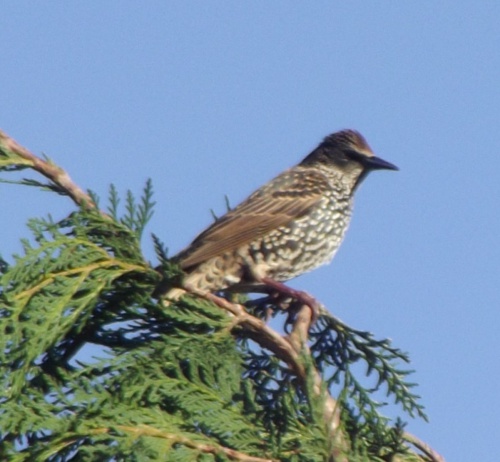 Amella Clarke
Main Street, Osgathorpe
26 November 2016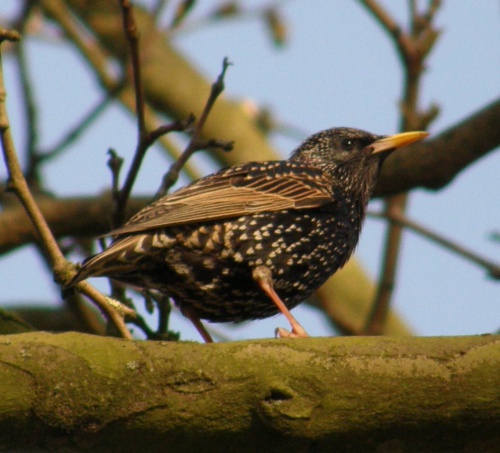 Saharima Roenisch
Spinney Hill Park
08 April 2017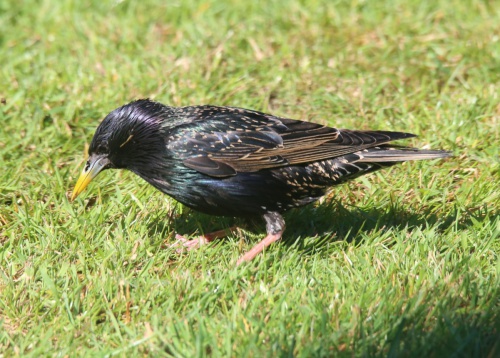 PhilipCrowfoot
woodgate
14 May 2020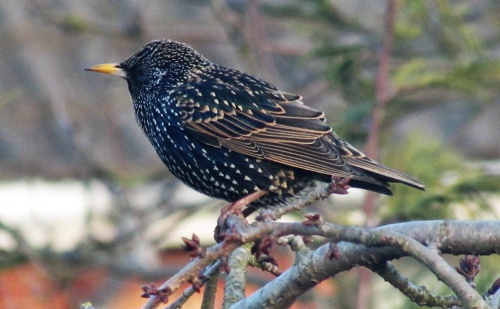 Dave Gamble
Leicester Forest East garden
01 February 2015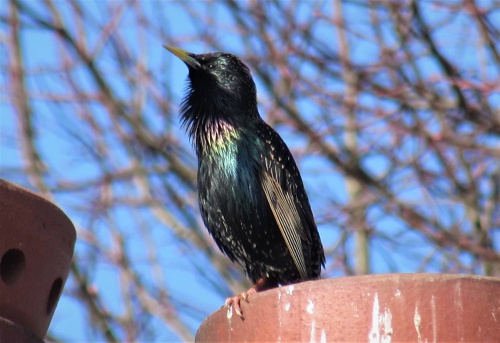 Dave Gamble
Leicester Forest East garden
07 April 2015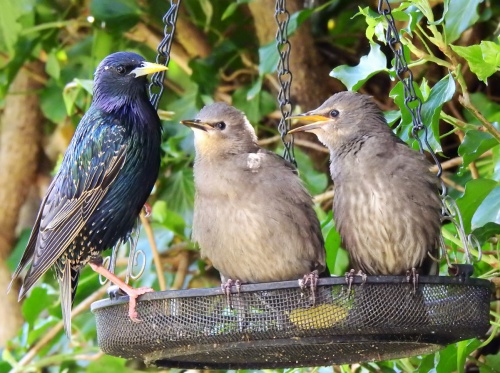 Gordon
Cosby Garden
11 May 2019
Starling adult & young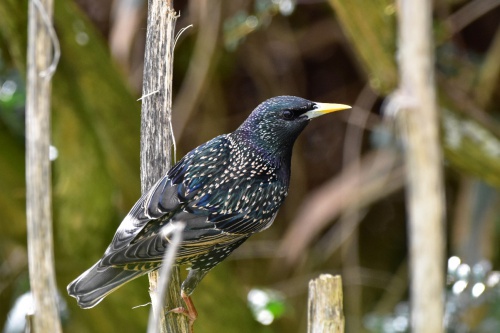 Andy's Rutland
Empingham garden
20 March 2018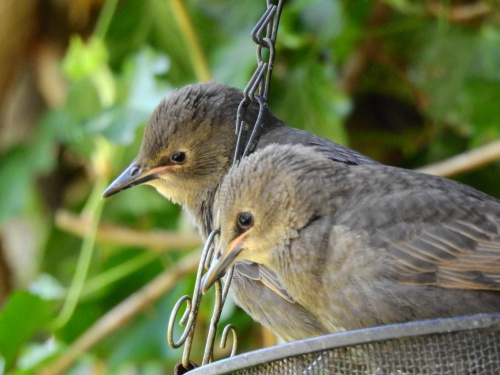 Gordon
Cosby Garden
11 May 2019
Starling young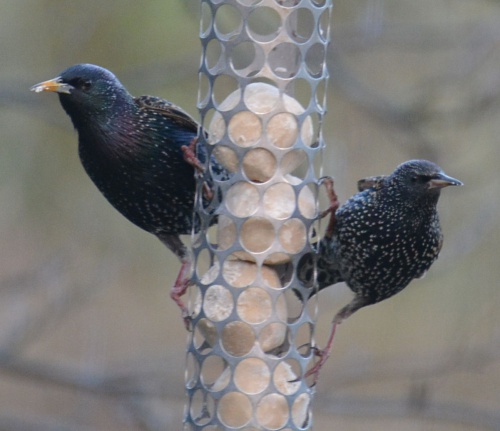 Barbara Cooper
Long Clawson
02 January 2019