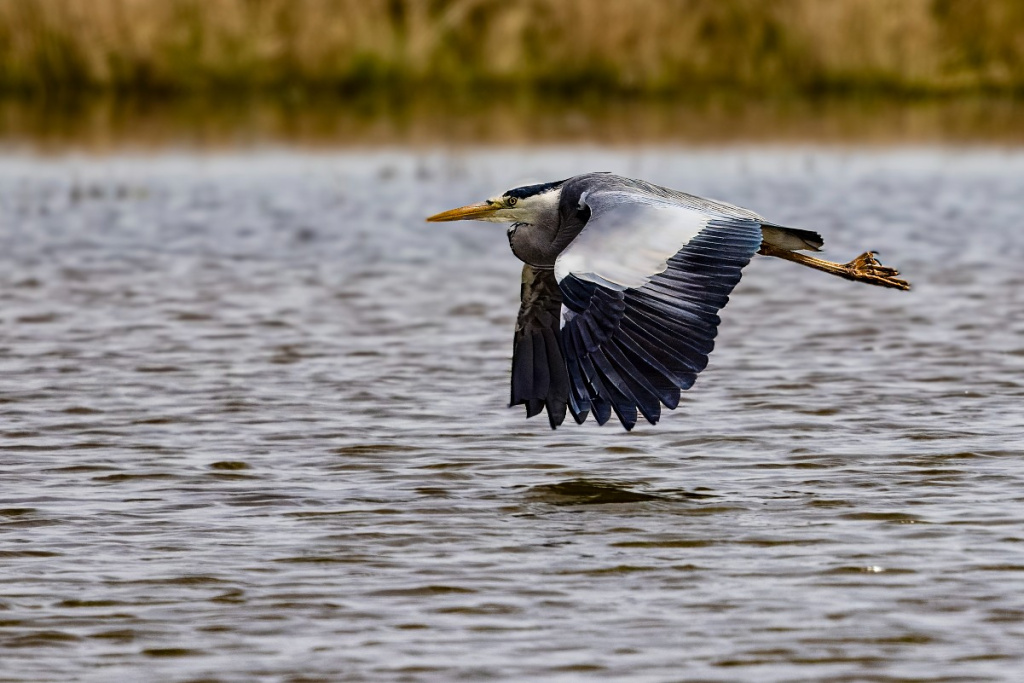
Grey Heron - Ardea cinerea
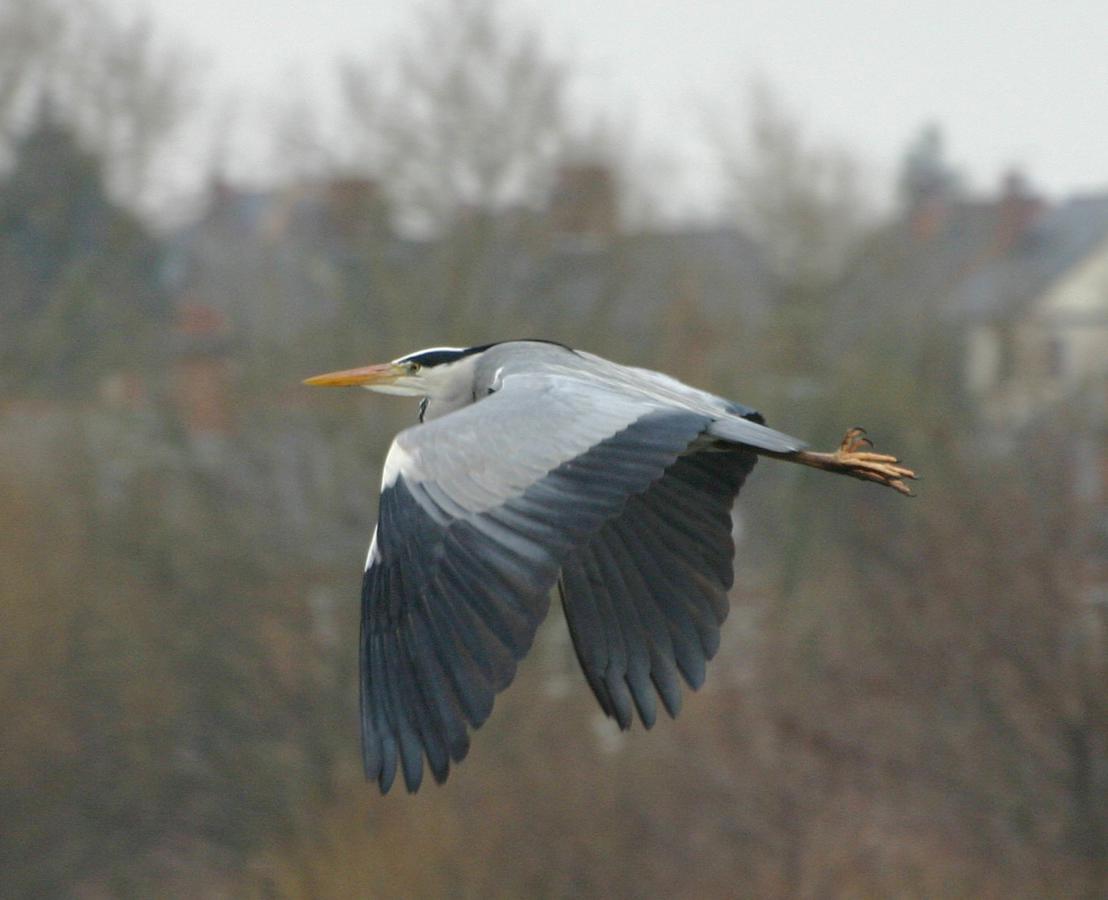
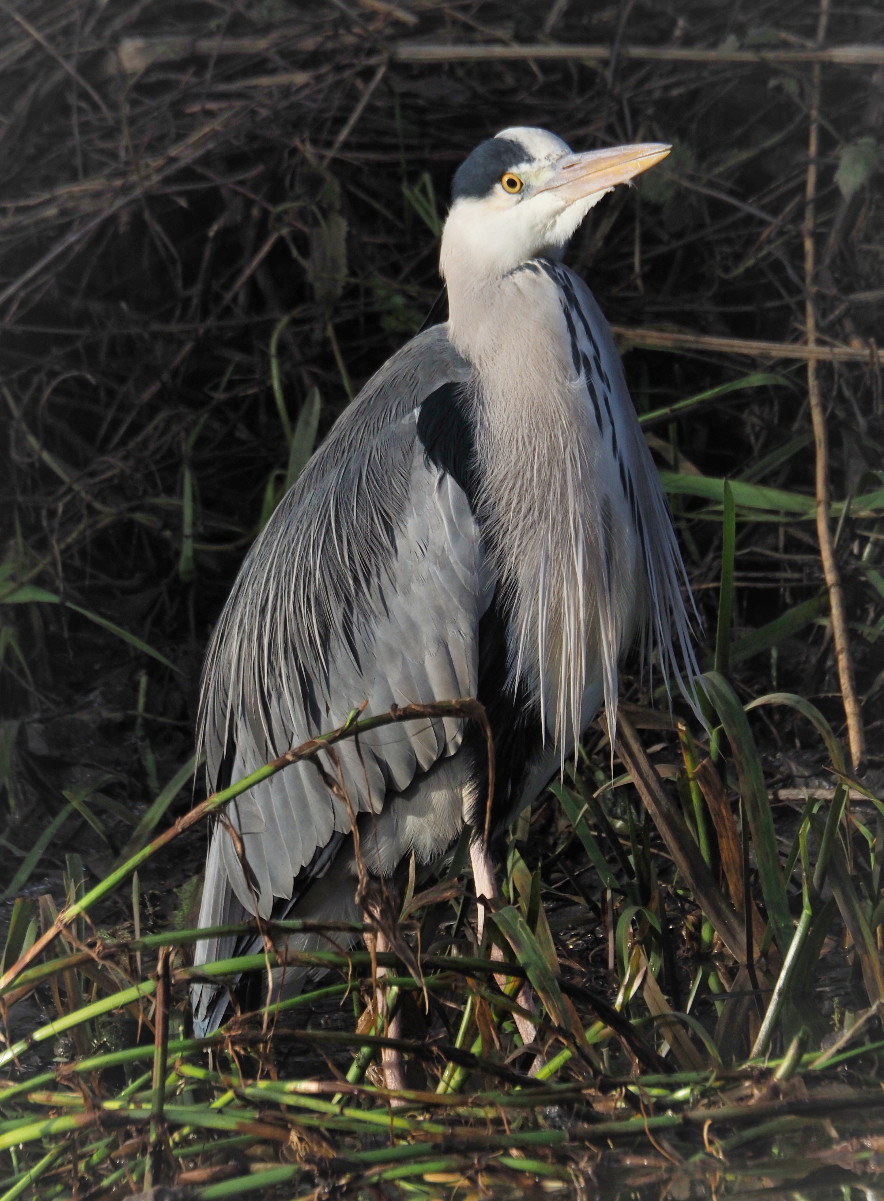
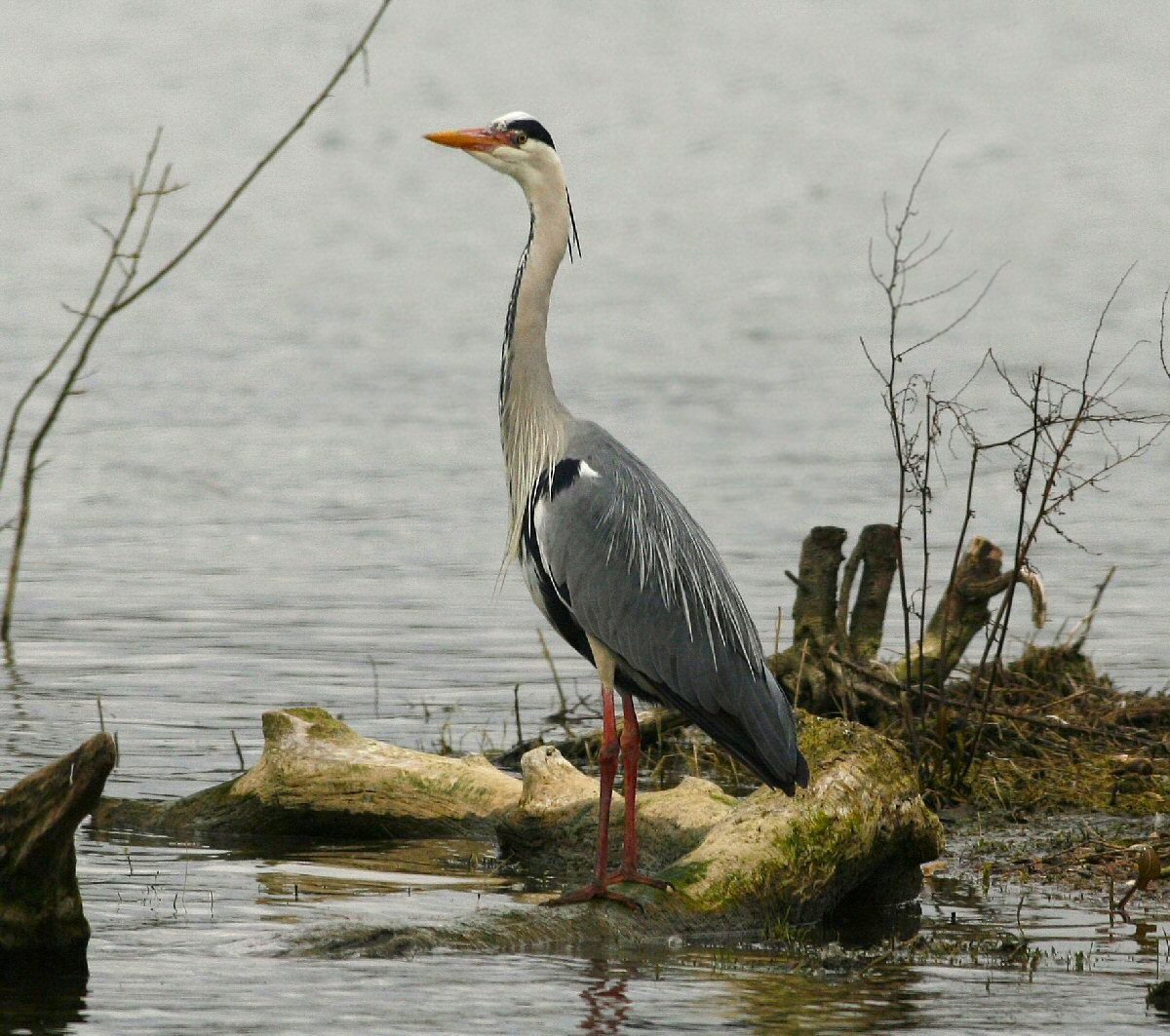
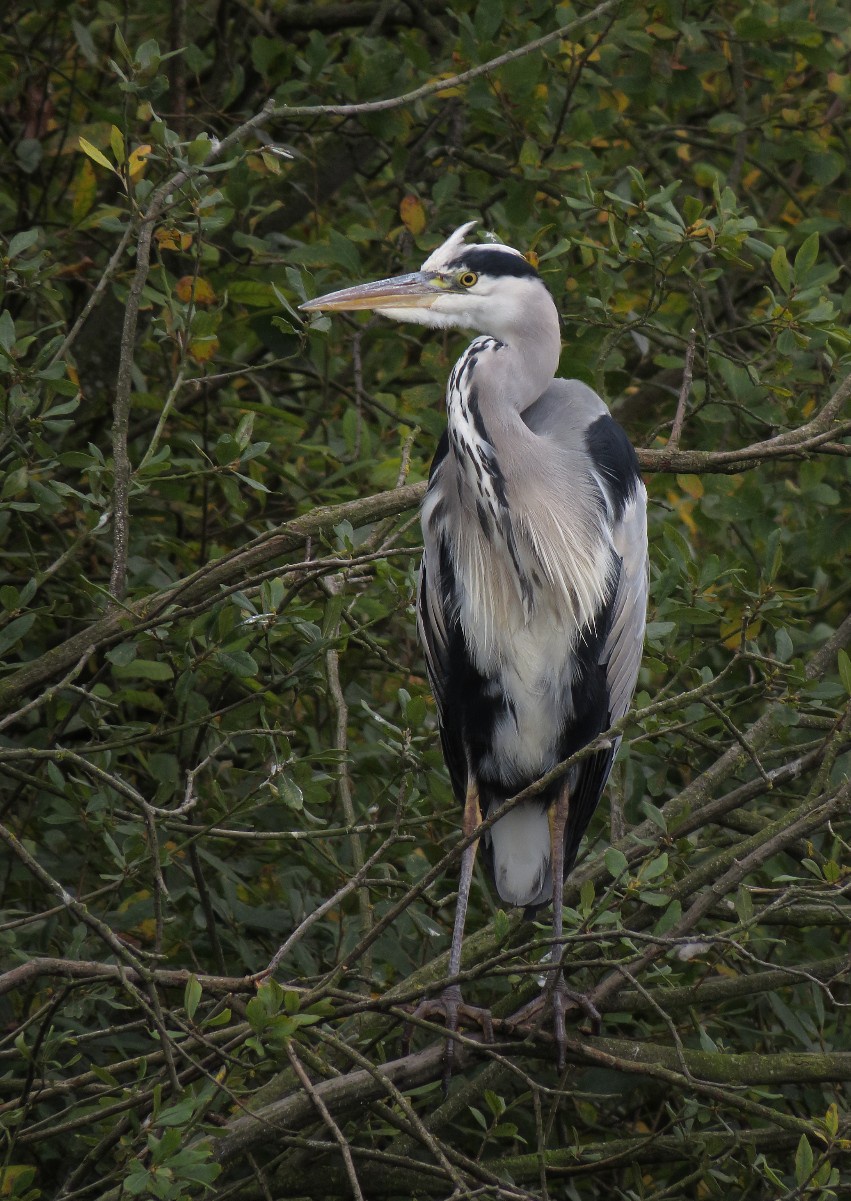
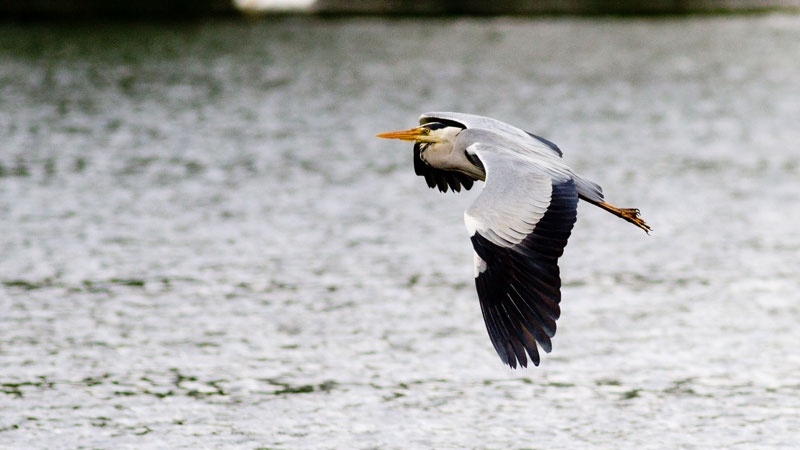
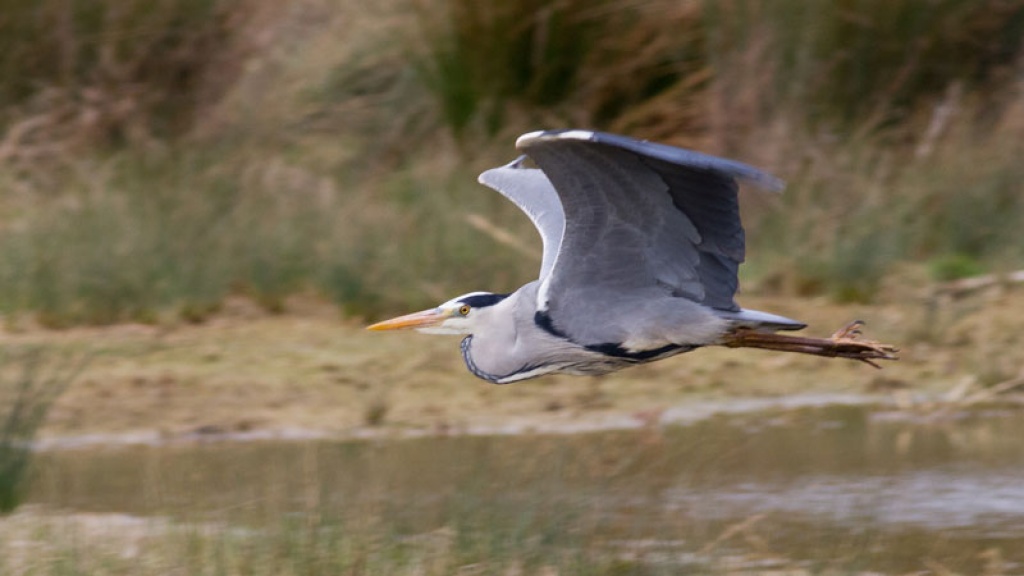
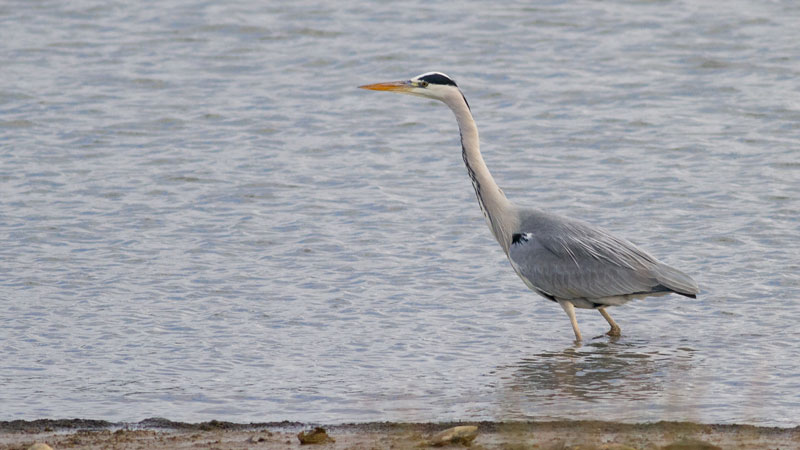
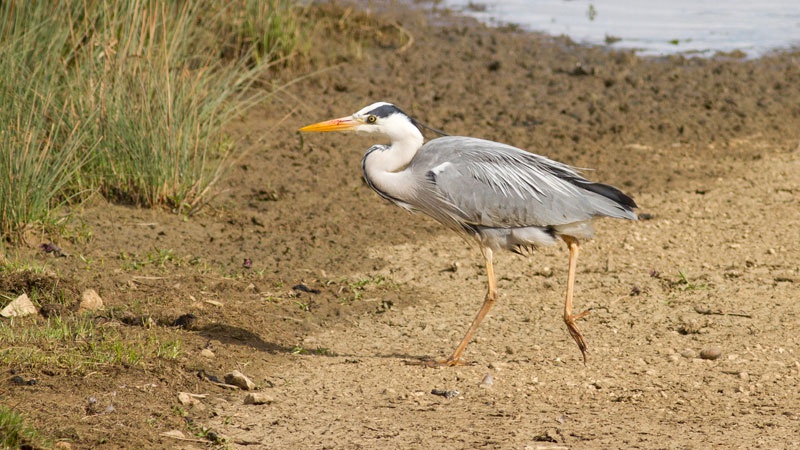
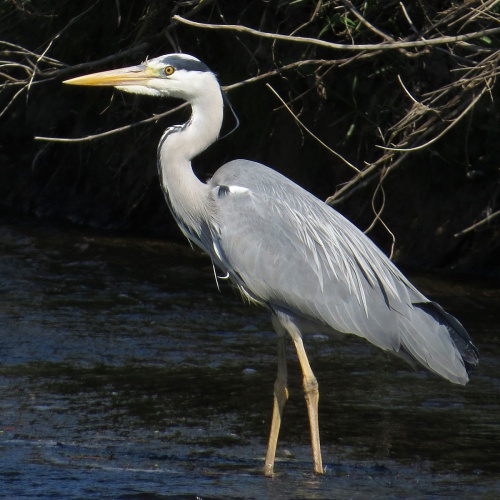
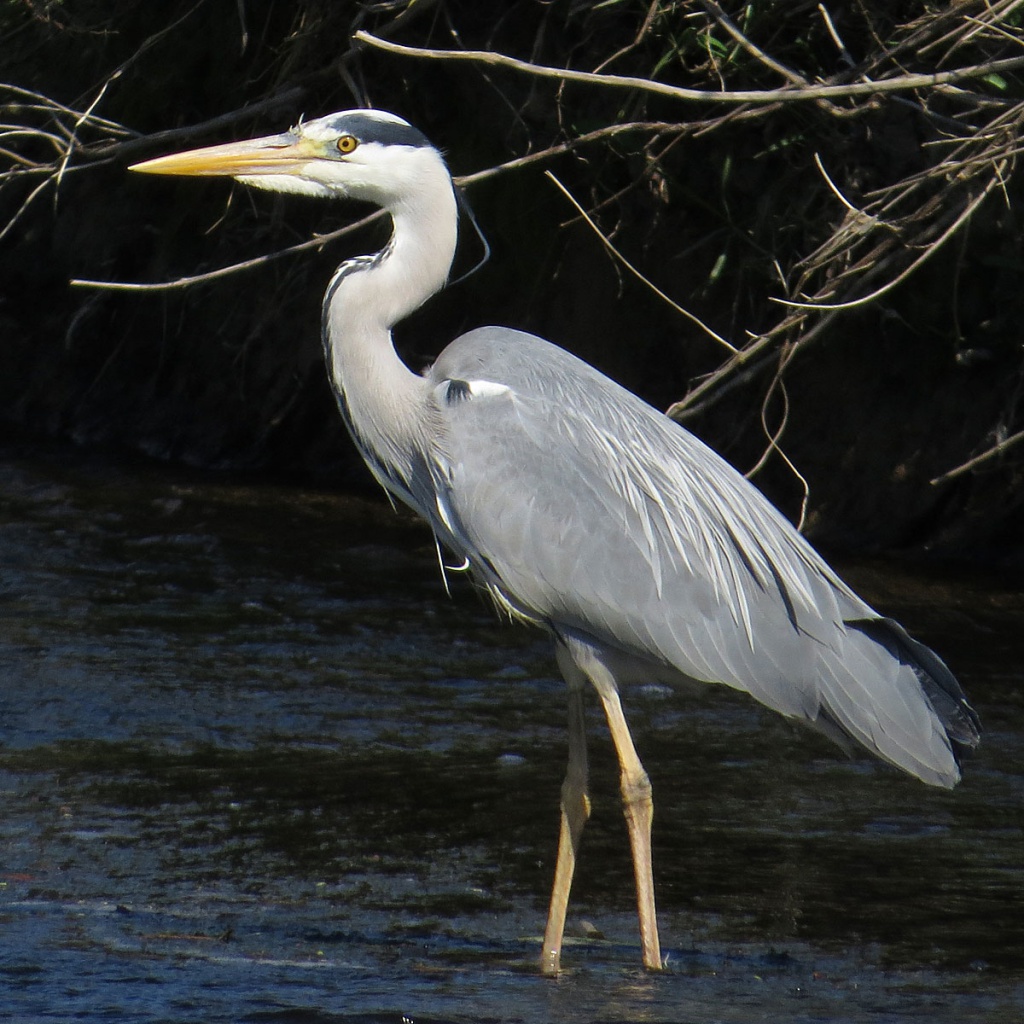
The largest European heron. It can stand with neck stretched out, looking for food, or hunch down with its neck bent over its chest. In flight it holds its neck retracted and has large rounded wings. It is usually solitary although several birds may feed fairly close together.

Wetland marshes, gravel pits, reservoirs, lakes and rivers and estuaries. Usually seen standing silently at the water's edge, waiting for prey. Will come to gardens with ornamental fishponds and fish farms.
All year round
It stalks its food, often standing motionless for some considerable time. It usually feeds close to the bank or shore, but may wade out into shallow water. This species breeds in colonies in trees close to lakes, the seashore or other wetlands, although it will also nest in reed beds. It builds a bulky stick nest.
Quite common and widespread in Britain
Fairly common as a breeding bird in Leicestershire and Rutland.
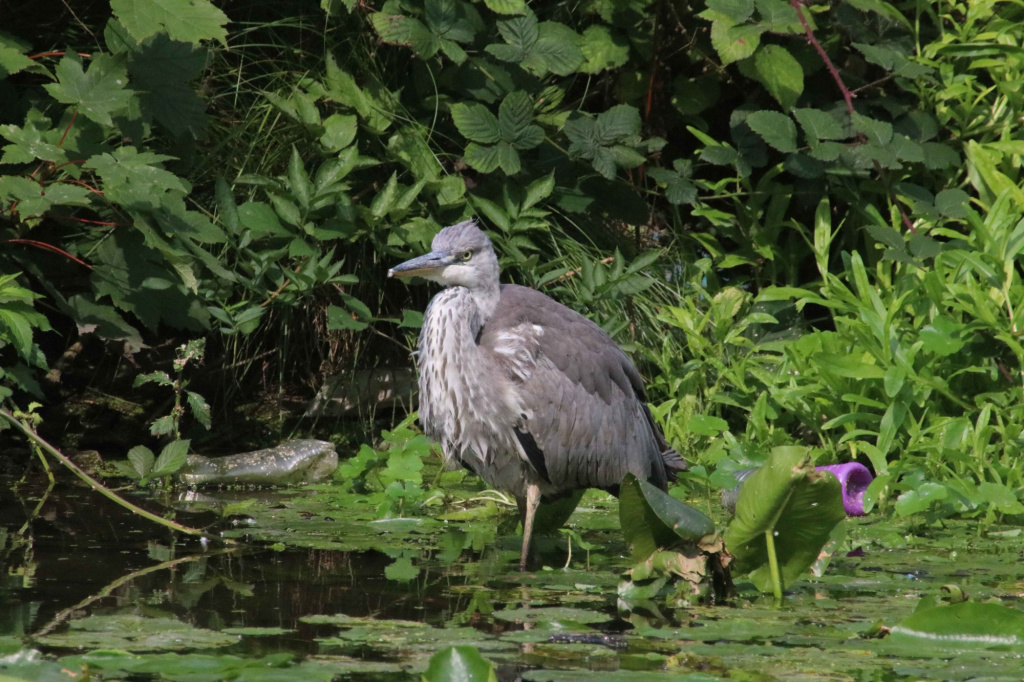
 David Gould
Aylestone Meadows, Leicester.
18 April 2015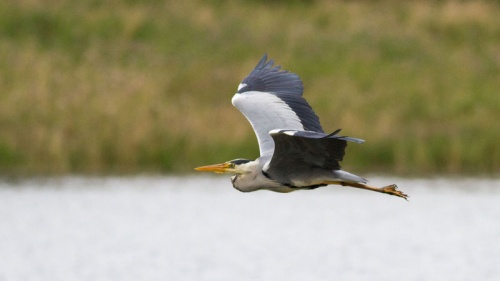 Rod Baker
Rutand Water
28 July 2012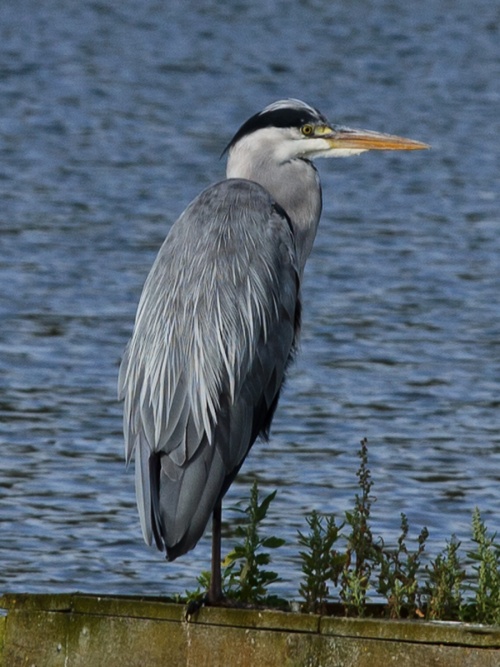 HAPeacock
Cossington NR
02 August 2012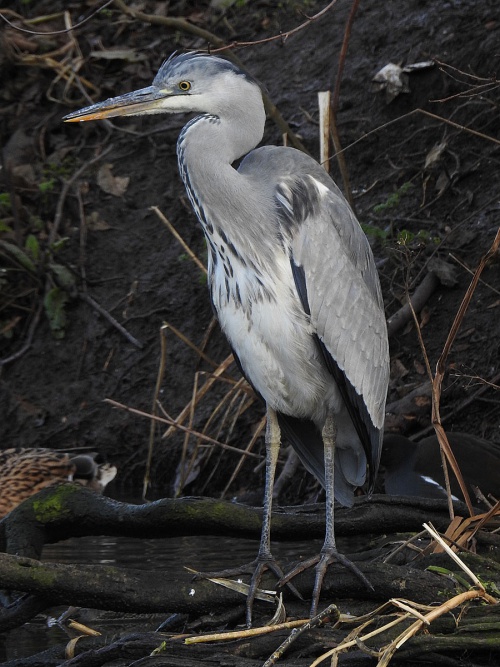 David Gould
Grand Union Canal, Aylestone, Leics.
11 December 2015
juvenile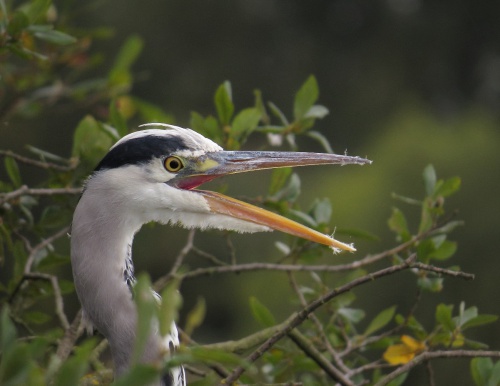 c butterfield
Watermead South
11 October 2014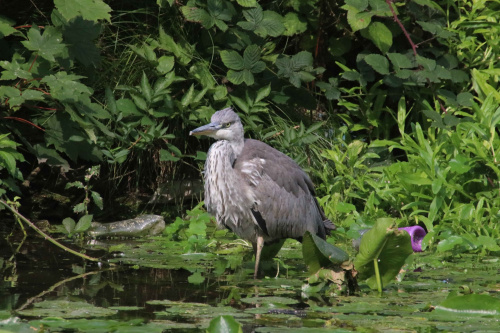 Nicholas Humphreys
Abbey Park, Leicester
01 September 2024
juvenile
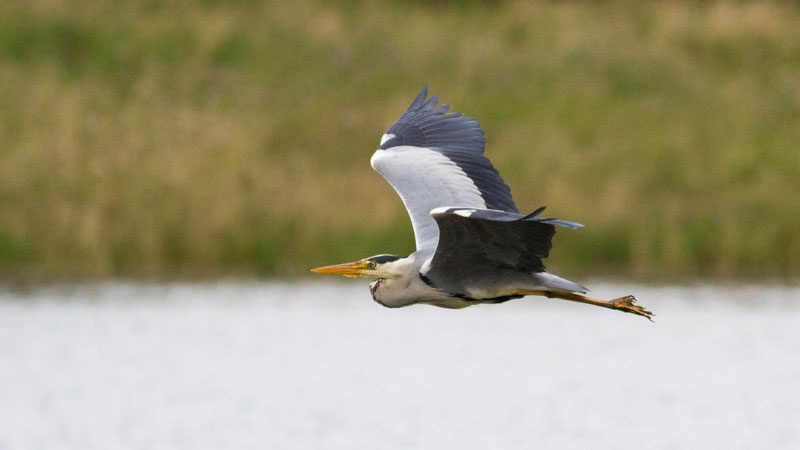
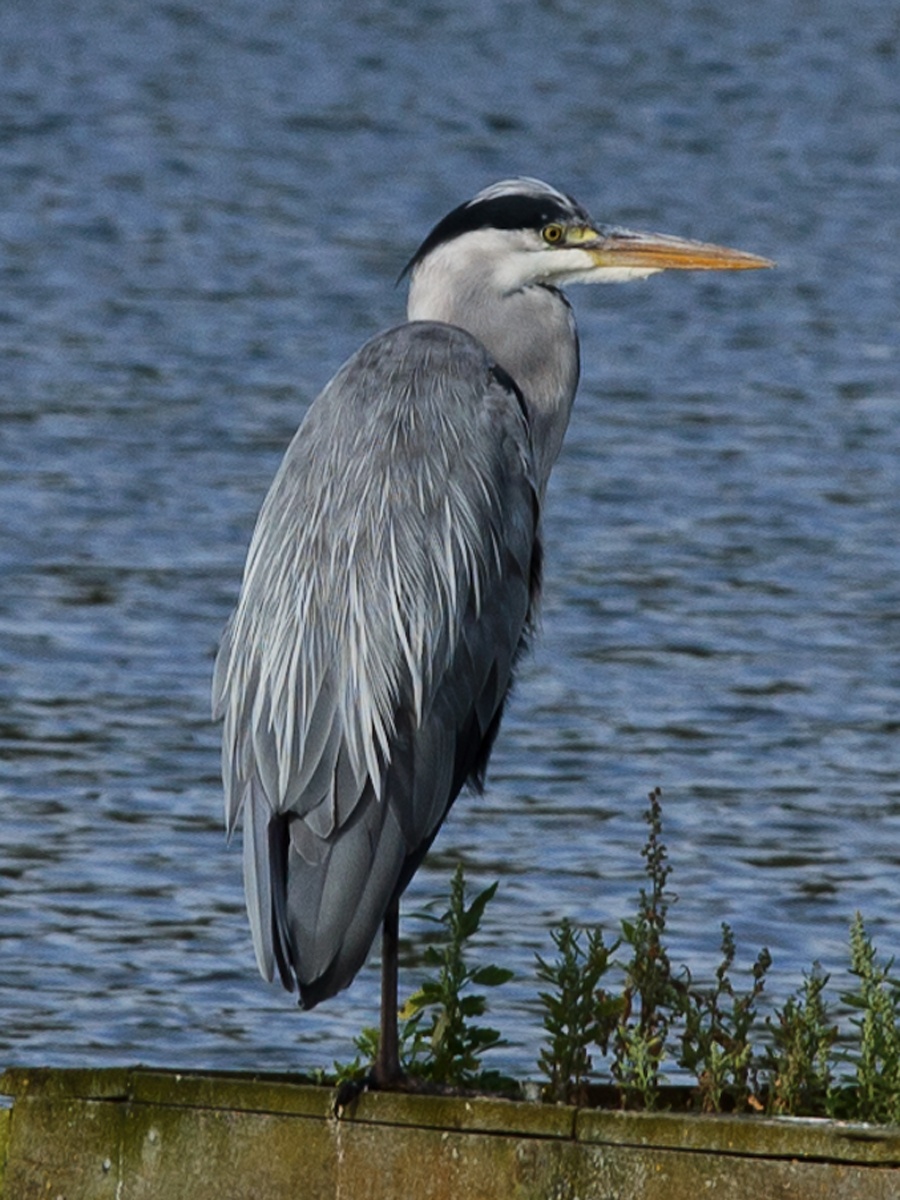
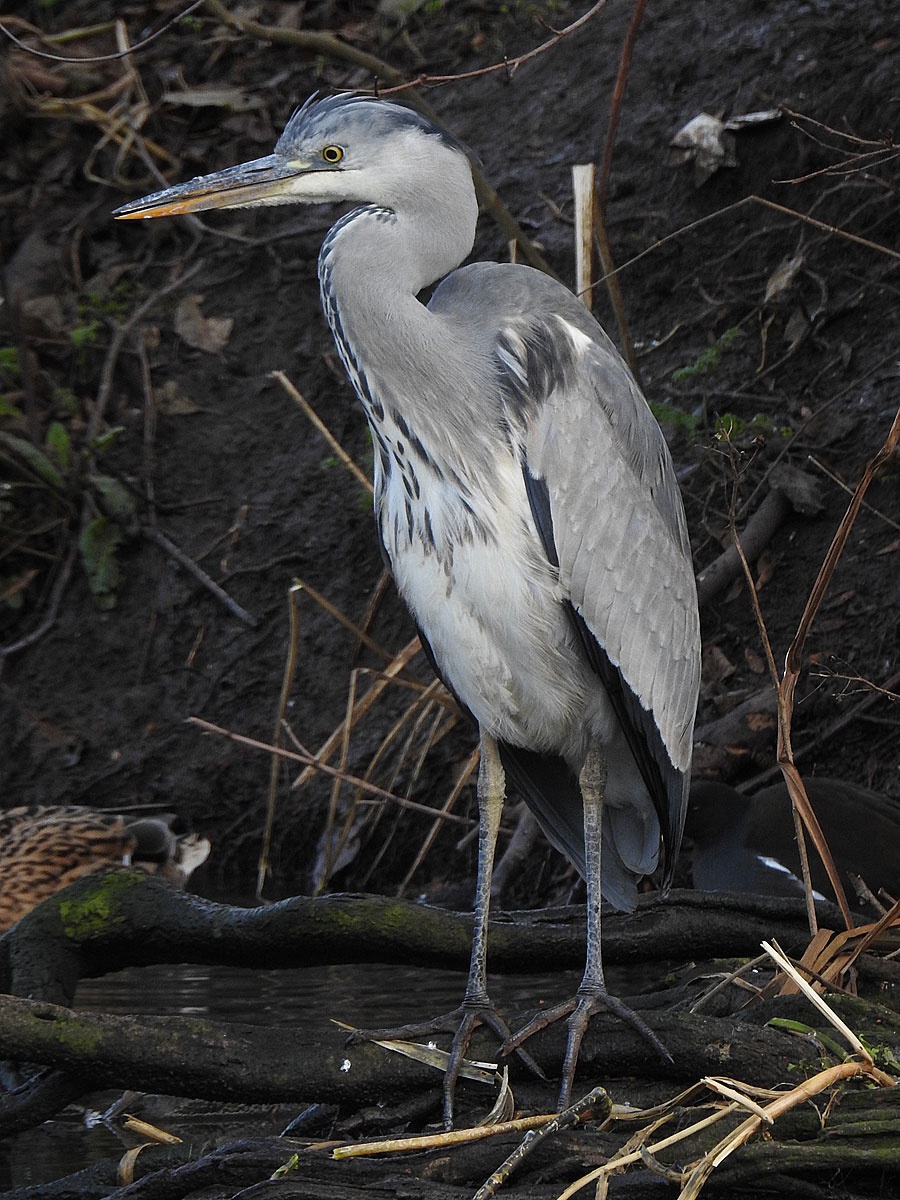
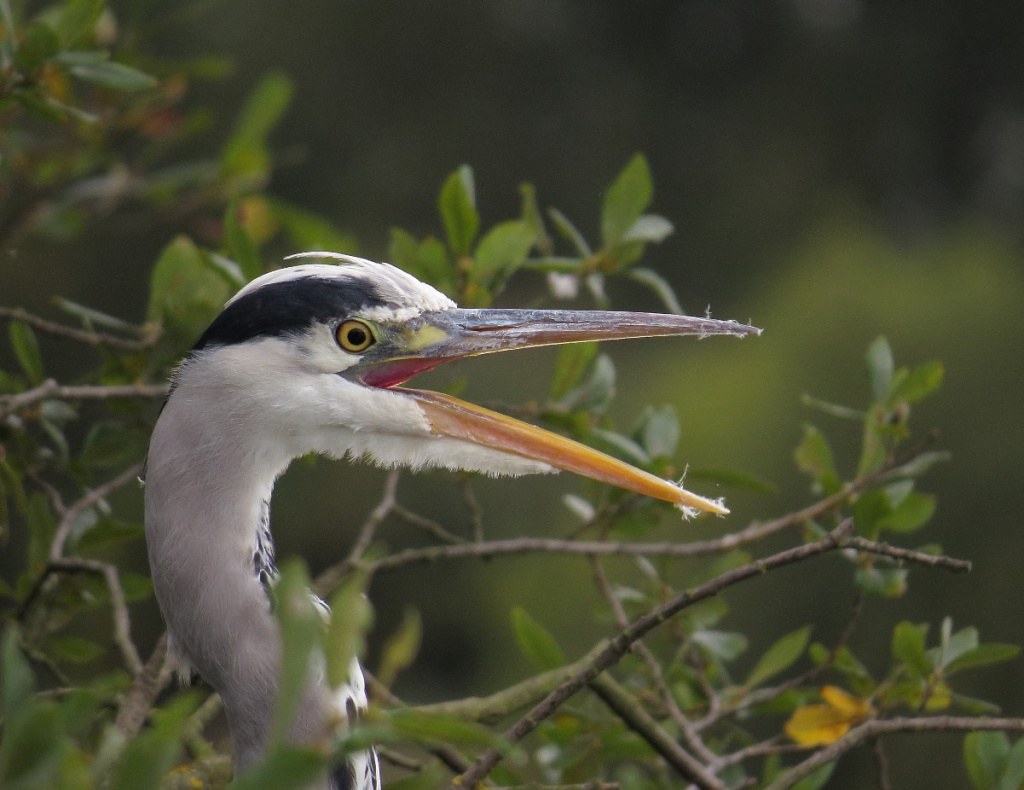
Leicestershire & Rutland Map
Enter a town or village to see local records
MAP KEY:
Yellow squares = NBN records (all known data)
Coloured circles = NatureSpot records: 2025+ | 2020-2024 | pre-2020
UK Map
Species profile
- Common names
- Heron, Grey Heron
- Species group:
- bird
- Kingdom:
- Animalia
- Order:
- Ciconiiformes
- Family:
- Ardeidae
- Records on NatureSpot:
- 1981
- First record:
- 01/01/1979 (Patricia Evans)
- Last record:
- 12/04/2026 (Nicholas Humphreys)
Total records by month
% of records within its species group
10km squares with records
The latest images and records displayed below include those awaiting verification checks so we cannot guarantee that every identification is correct. Once accepted, the record displays a green tick.
In the Latest Records section, click on the header to sort A-Z, and again to sort Z-A. Use the header boxes to filter the list.
Latest images
Latest records
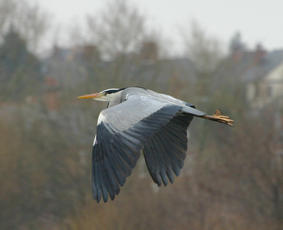 David Nicholls
Watermead Country Park
19 March 2006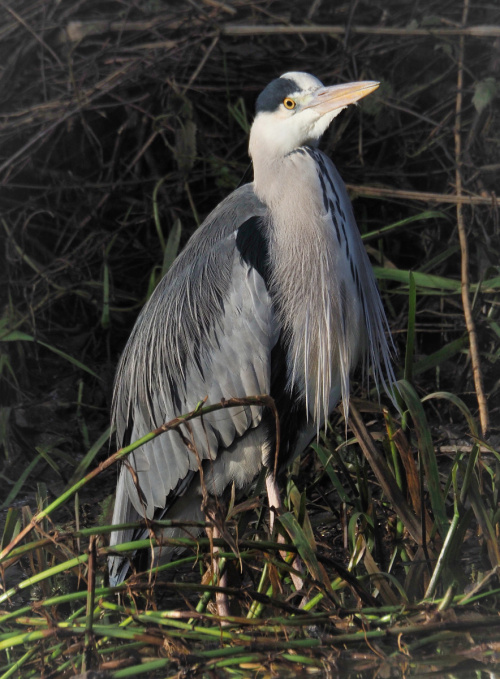 David Nicholls
Watermead South
09 January 2025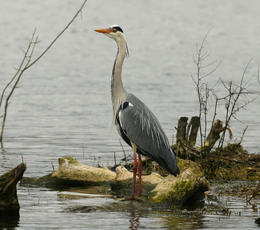 Jonesboy1
Rutland Water
20 August 2011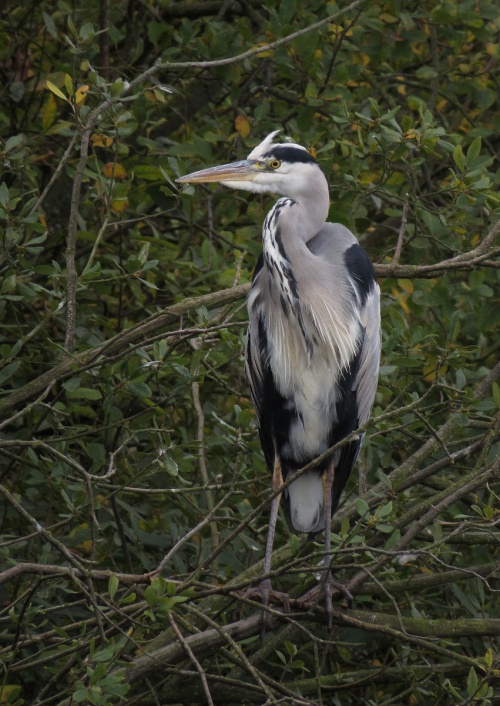 c butterfield
Watermead South
11 October 2014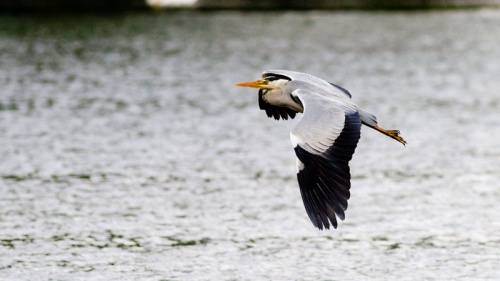 Rod Baker
Rutand Water
28 July 2012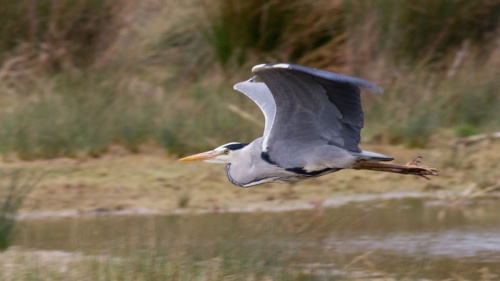 Rod Baker
Rutland Water
02 April 2012
Grey Heron over lagoon three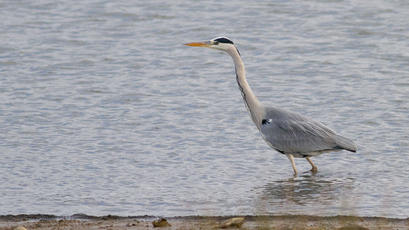 Rod Baker
Eye Brook Reservoir
07 January 2012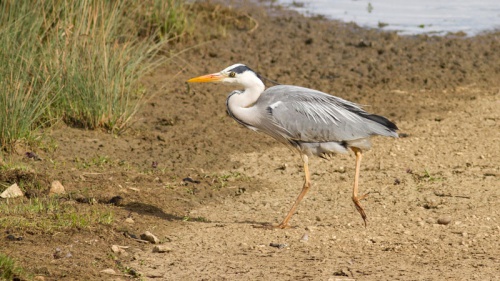 Rod Baker
Rutland Water
04 May 2013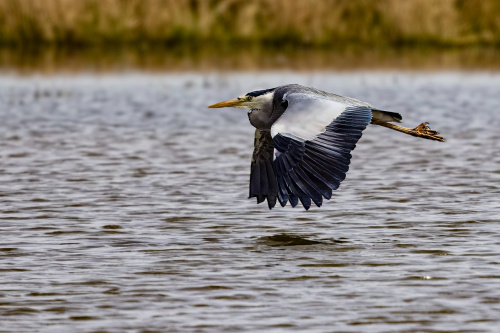 Ronmck01
Cossington Meadow
26 March 2024
Ron McKeating, Cossington Meadow