

Goat's-beard - Tragopogon pratensis
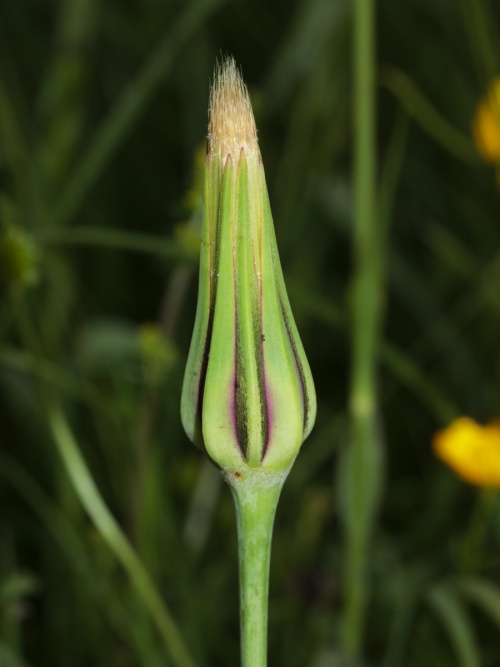
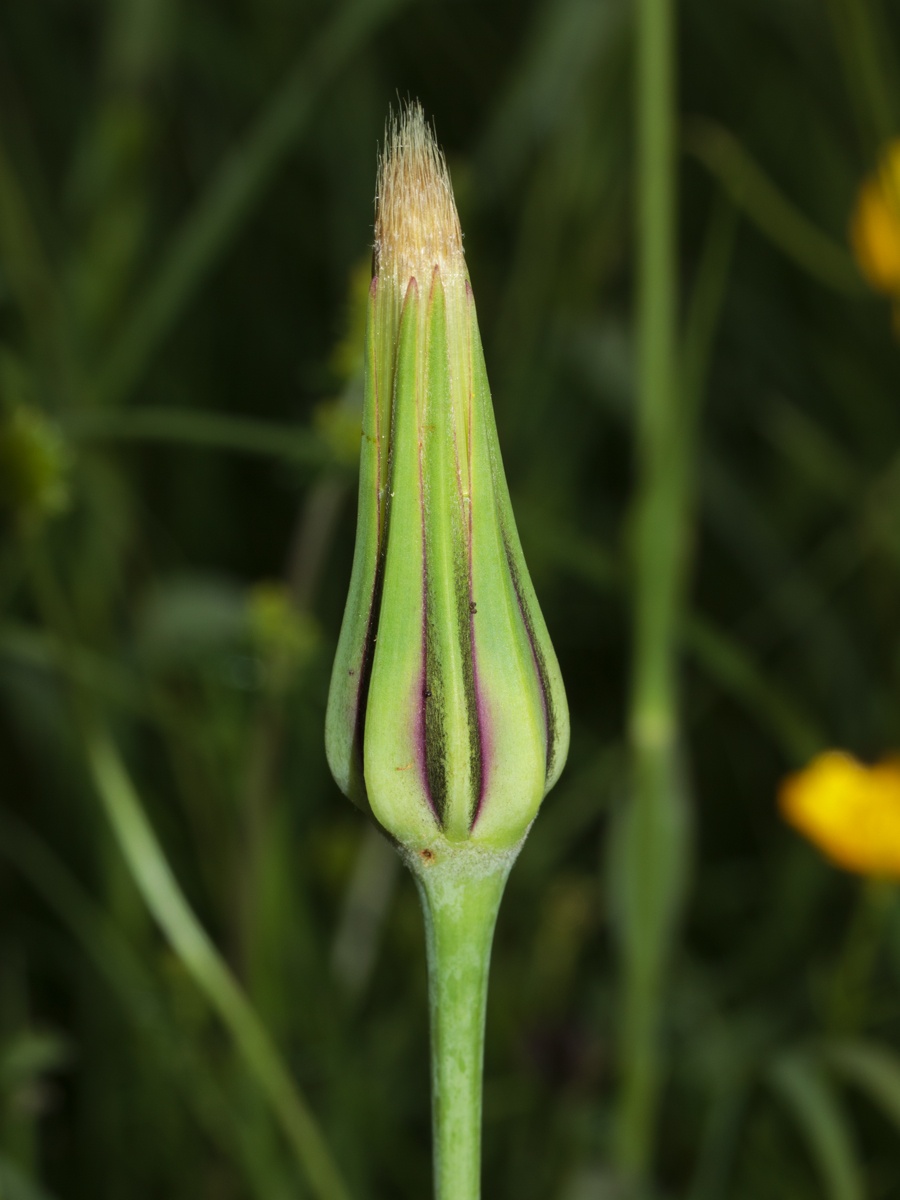
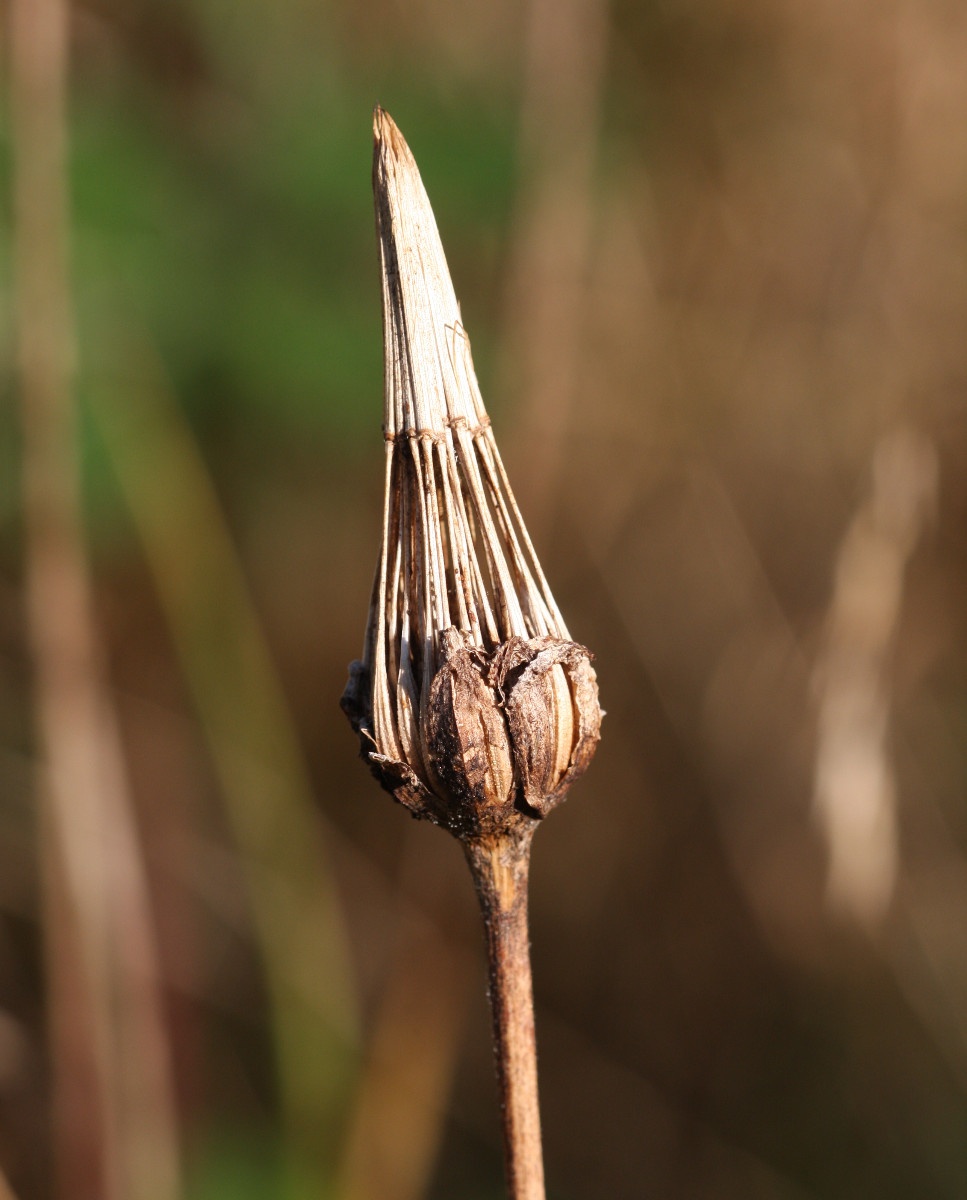
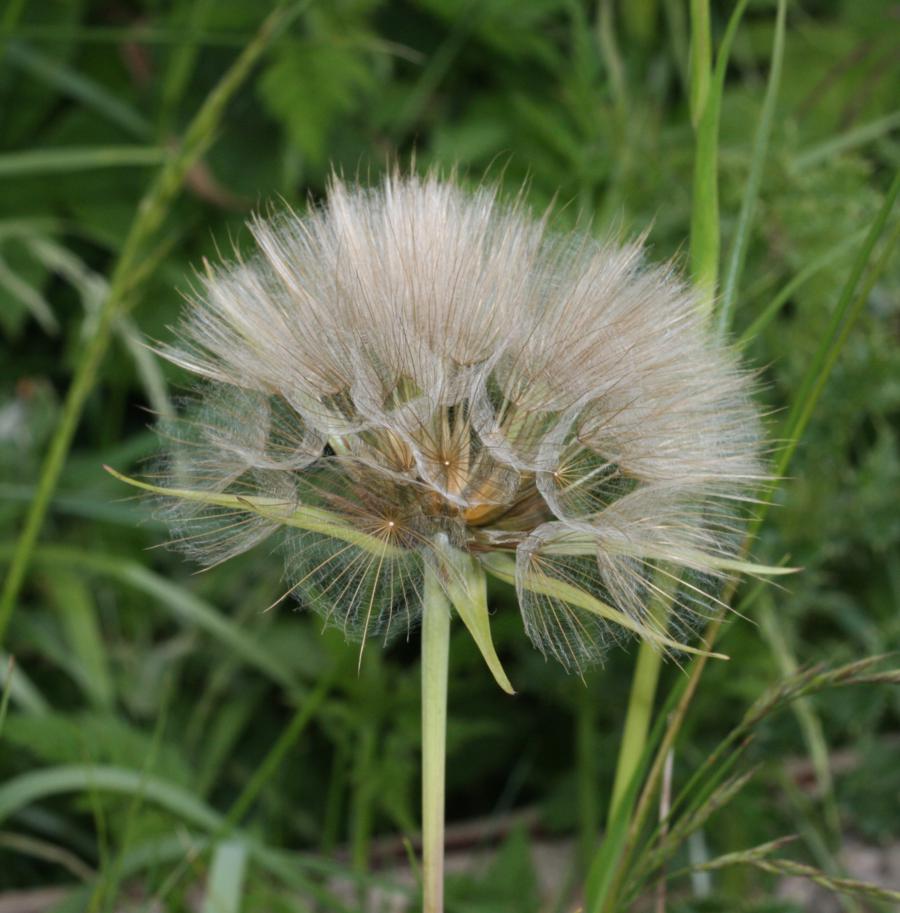
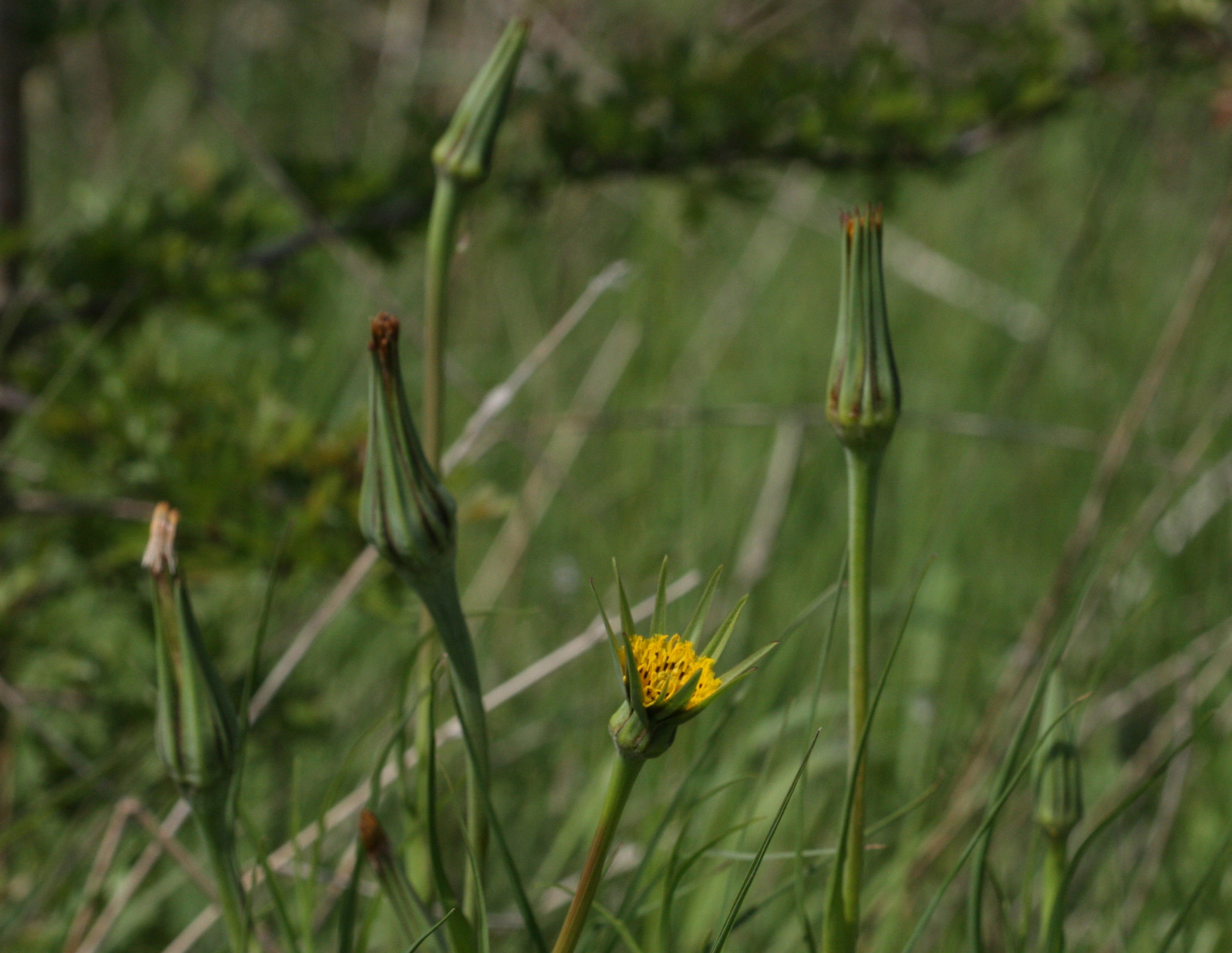
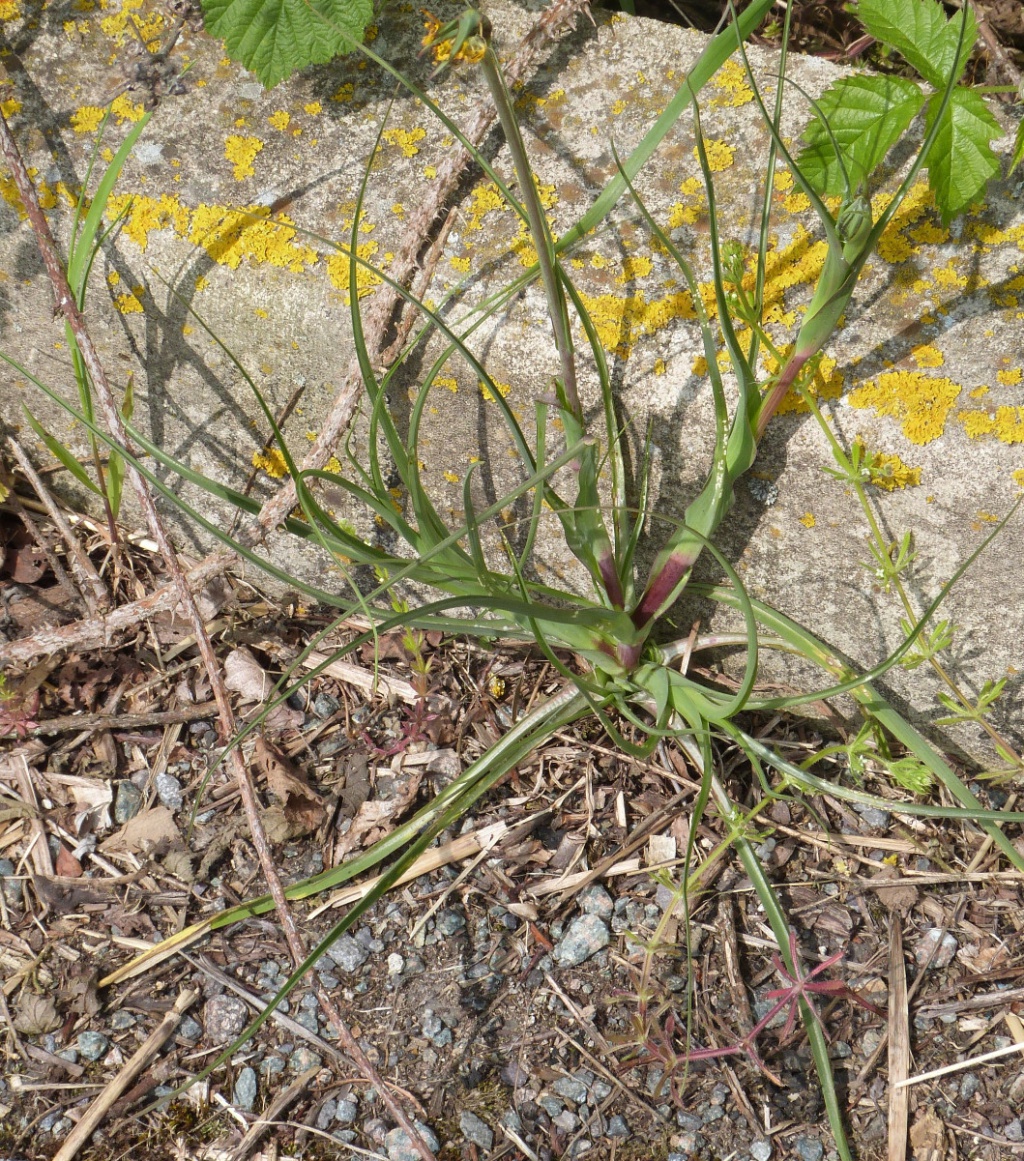
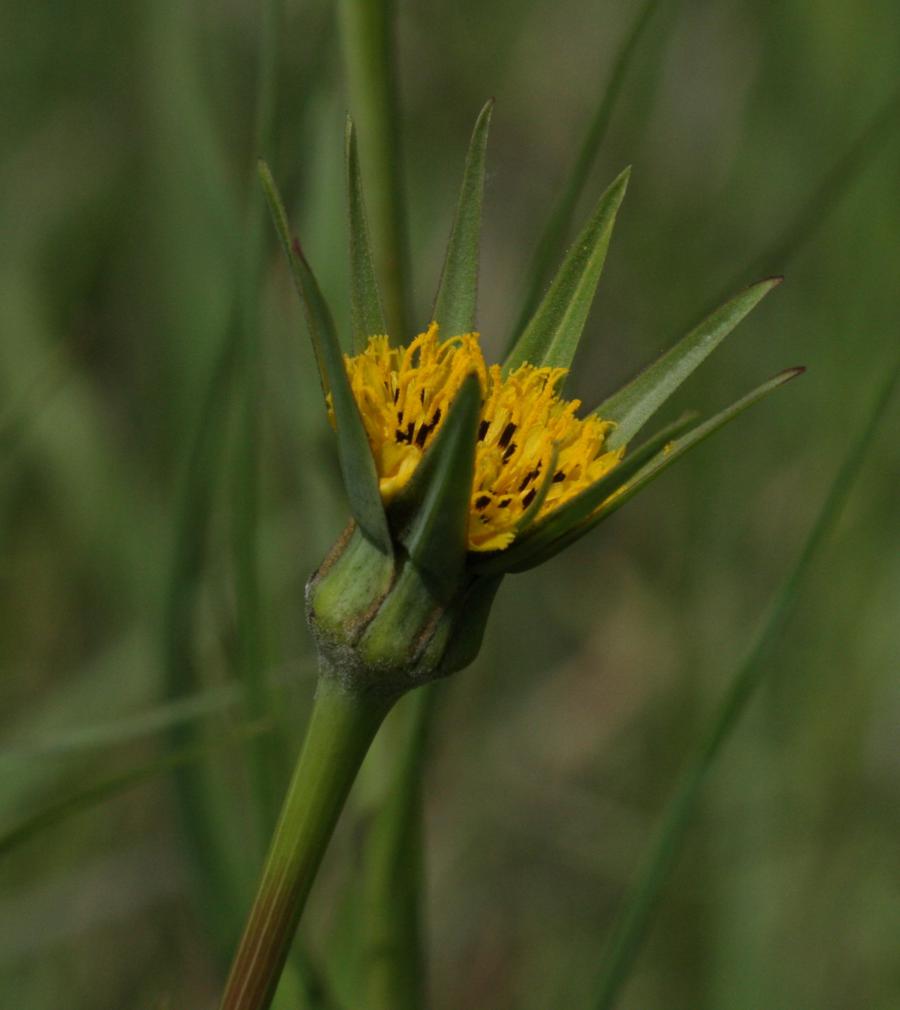
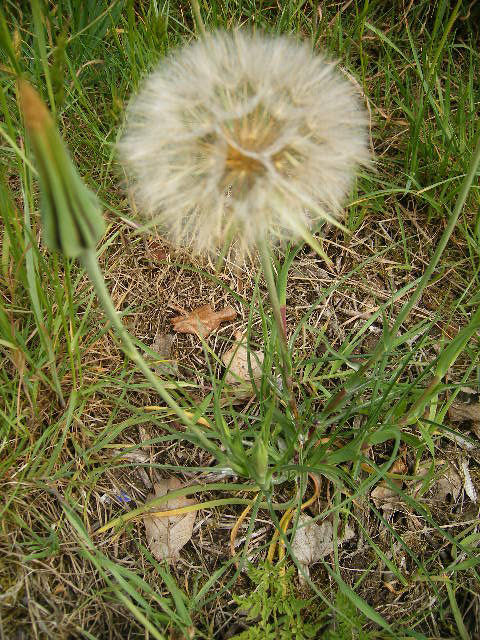
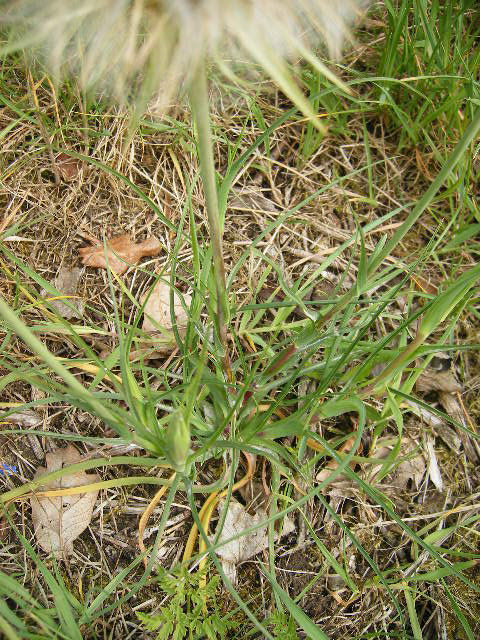
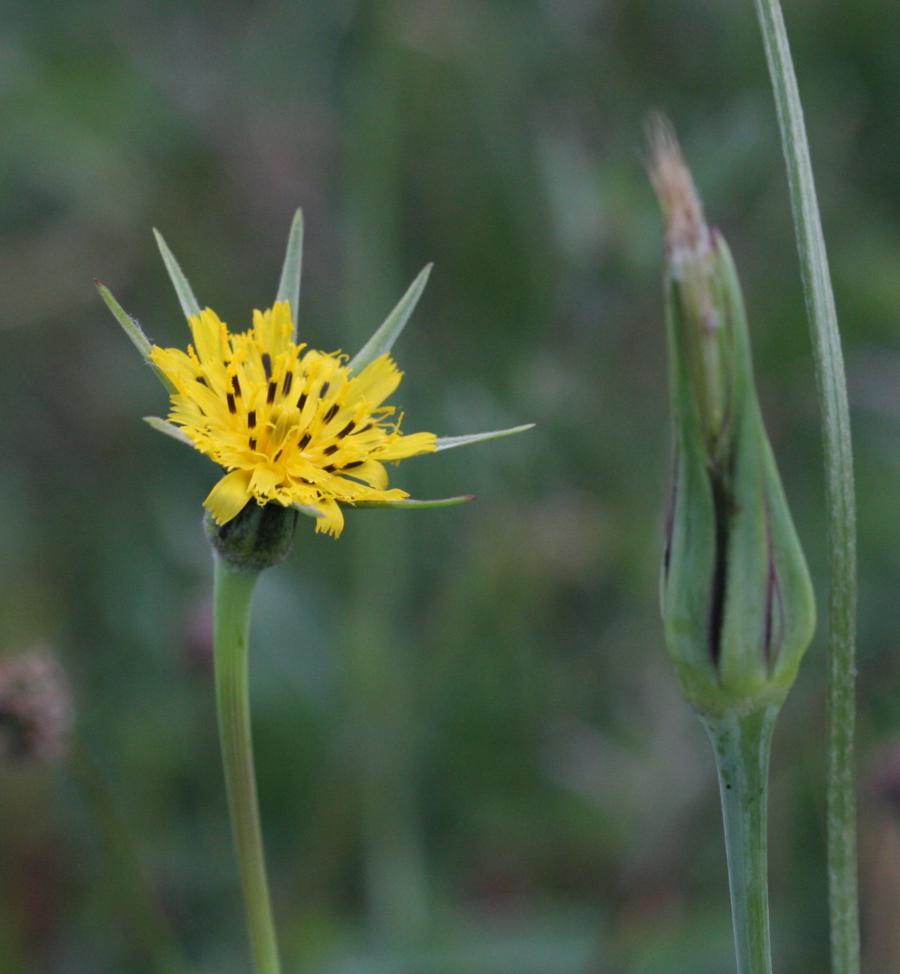
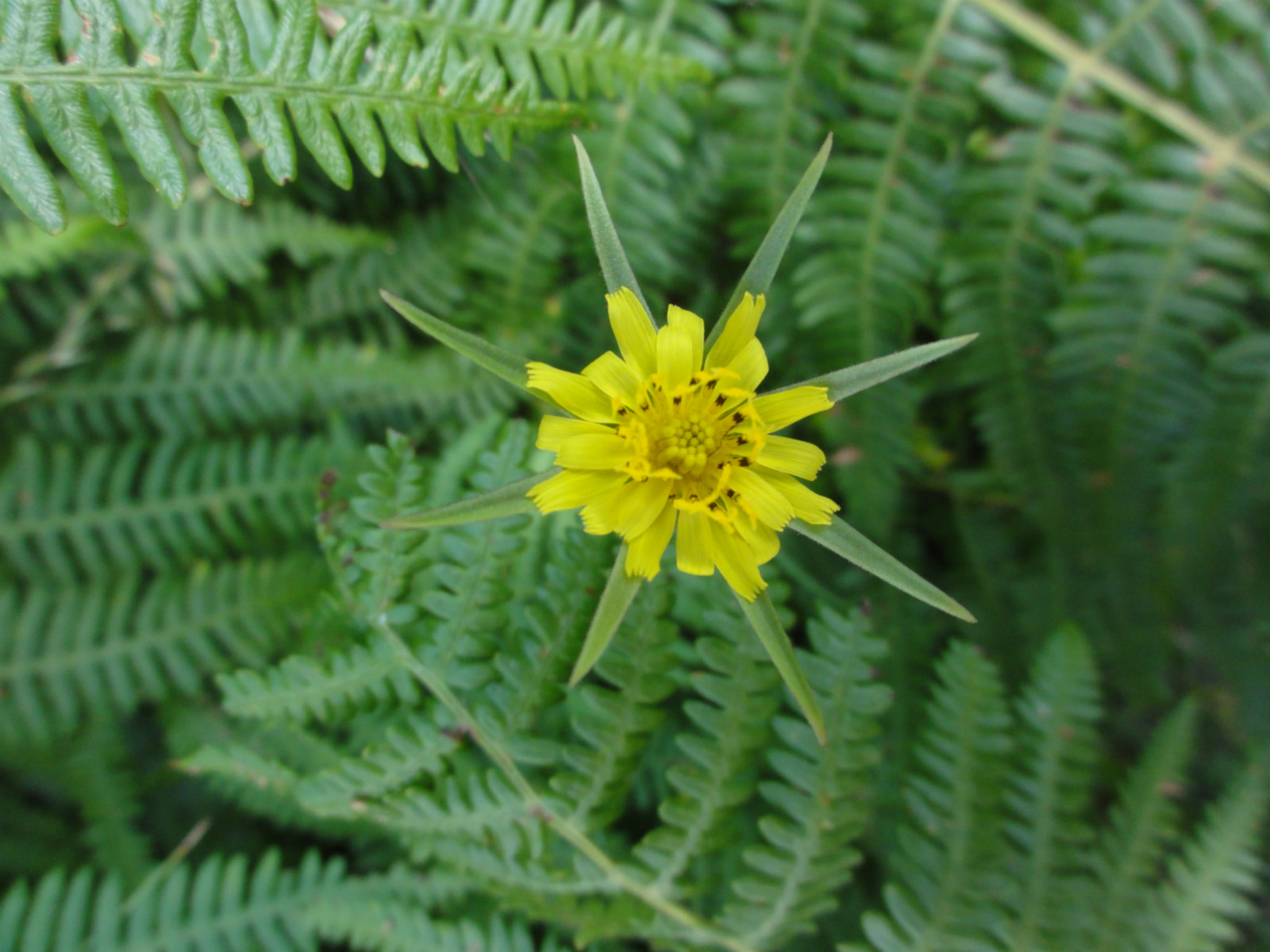
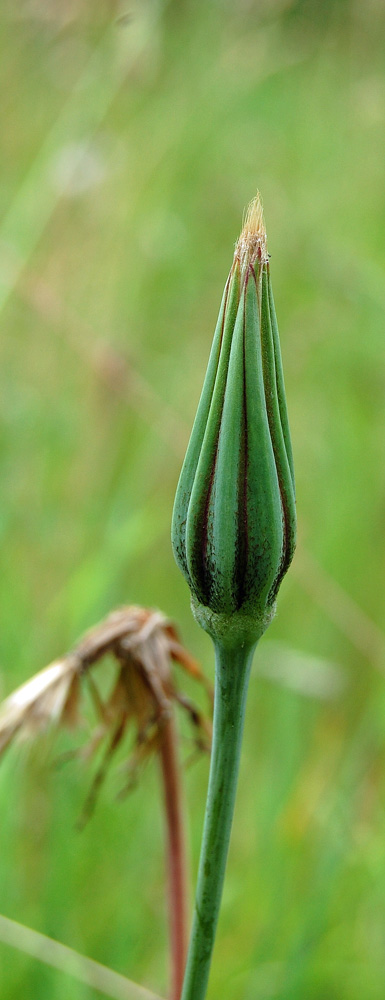
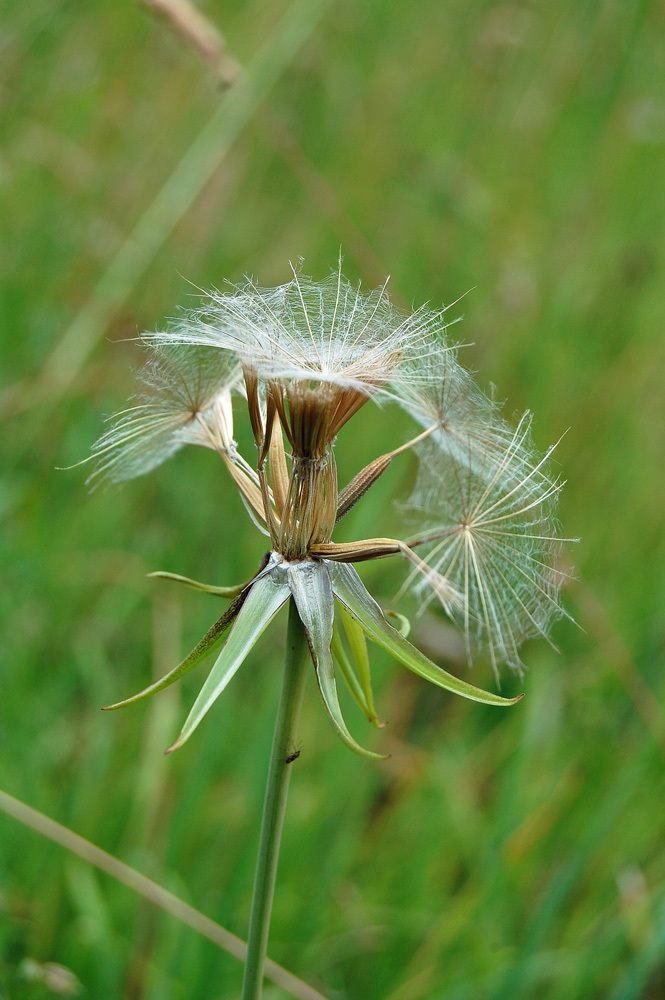
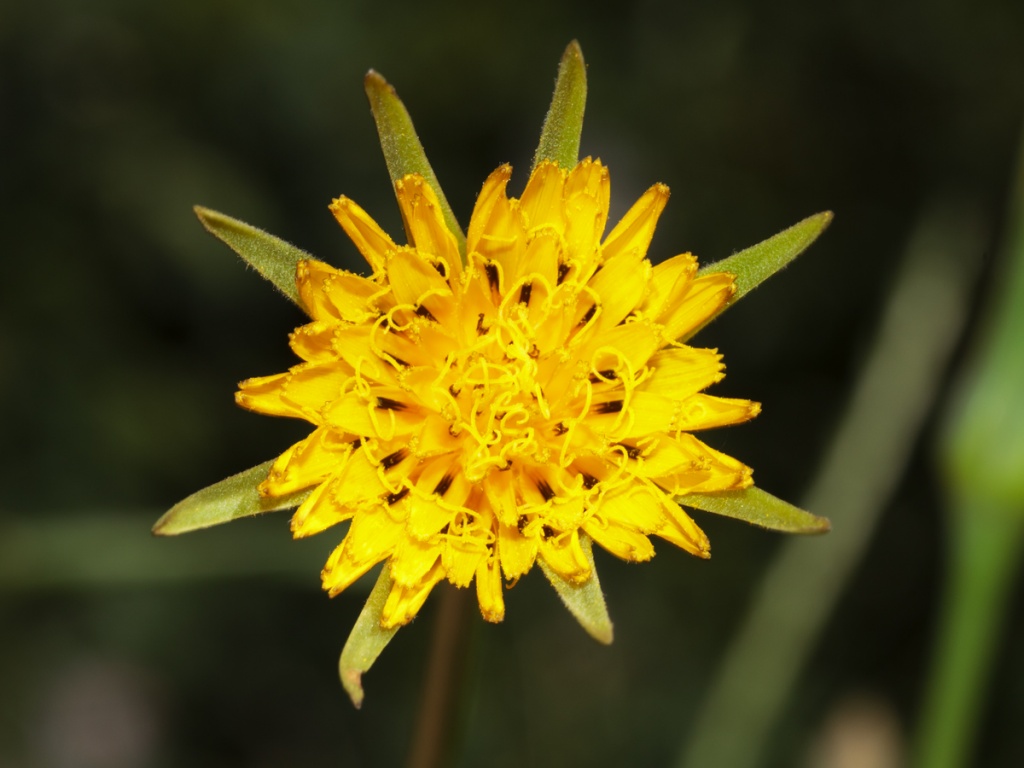
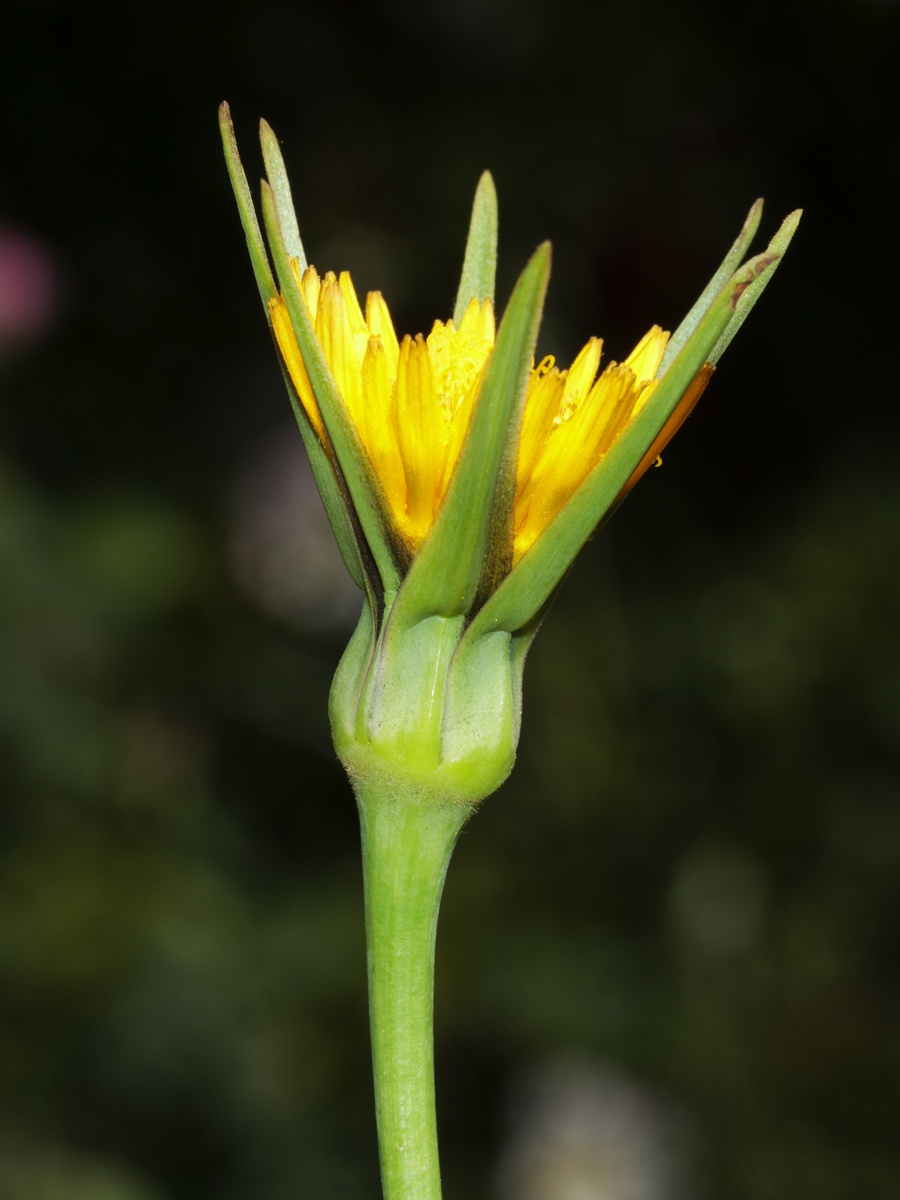
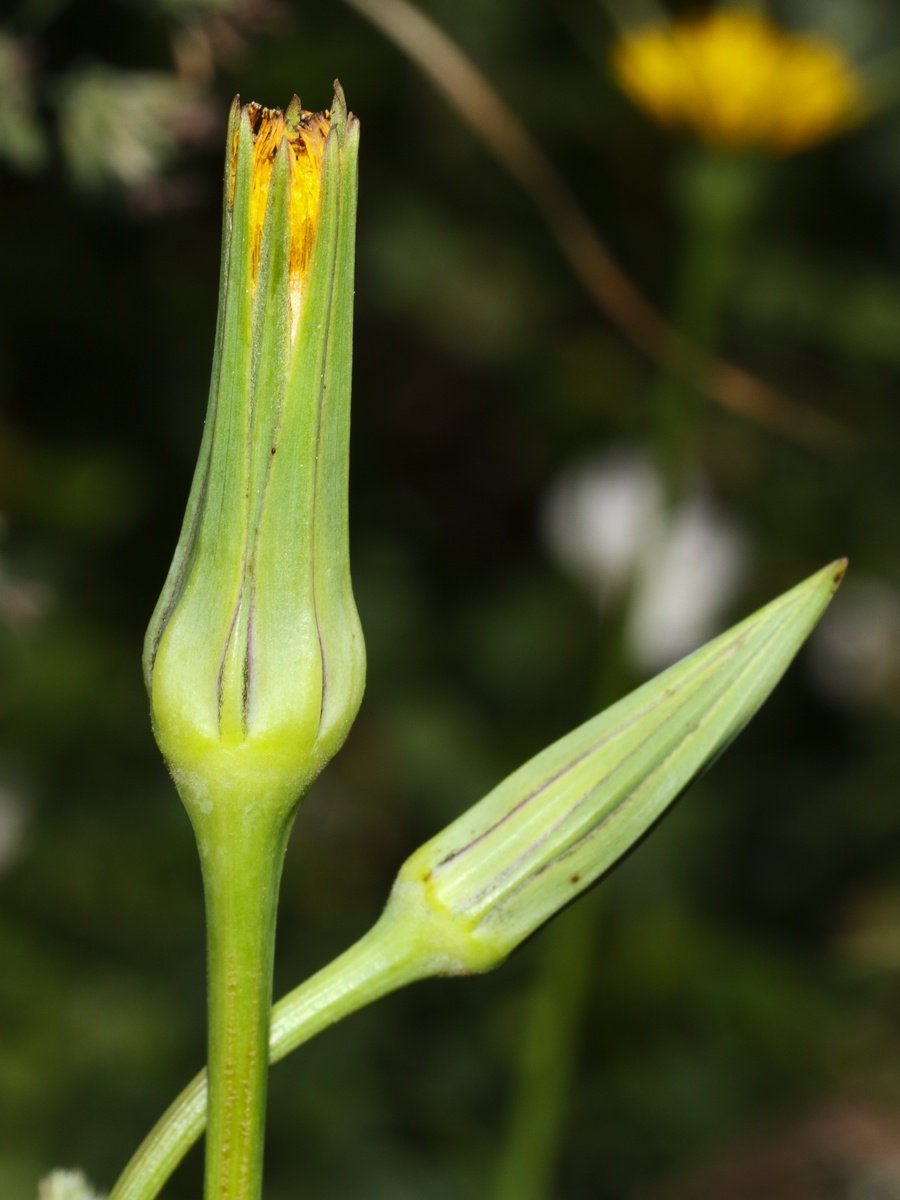
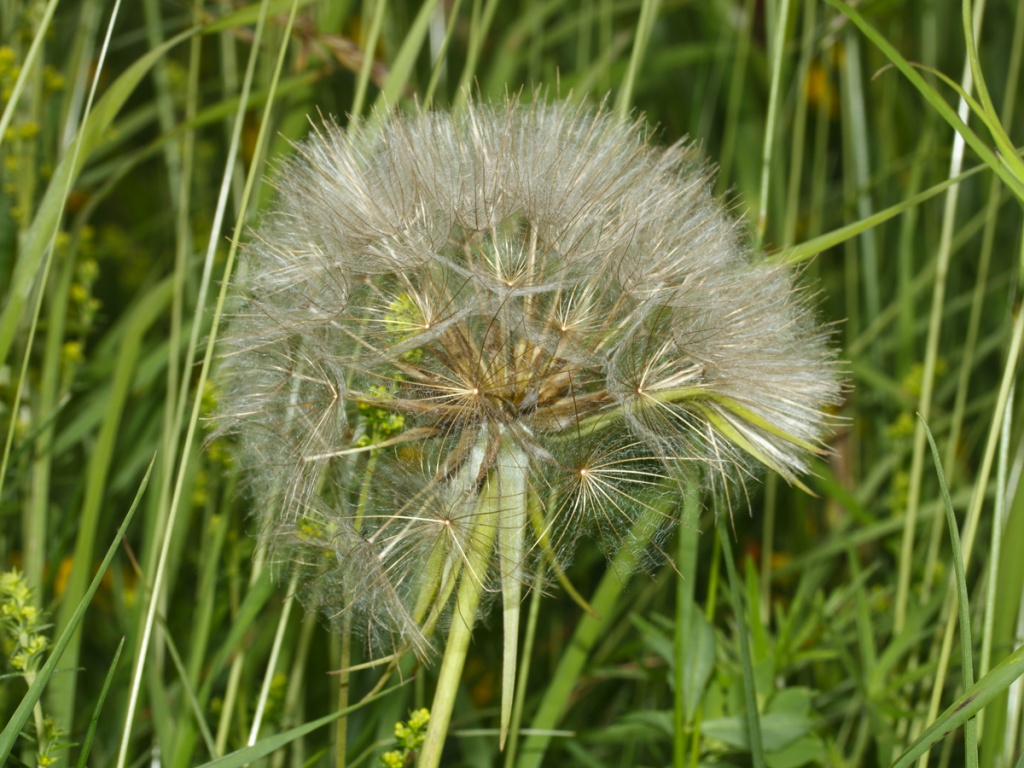
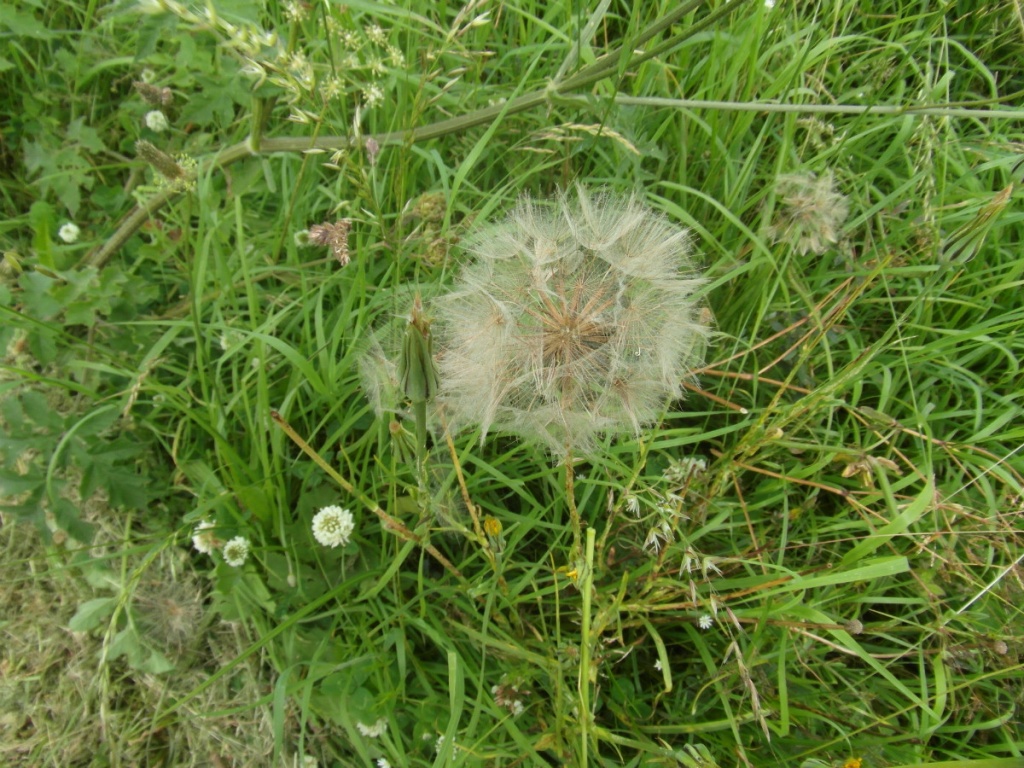
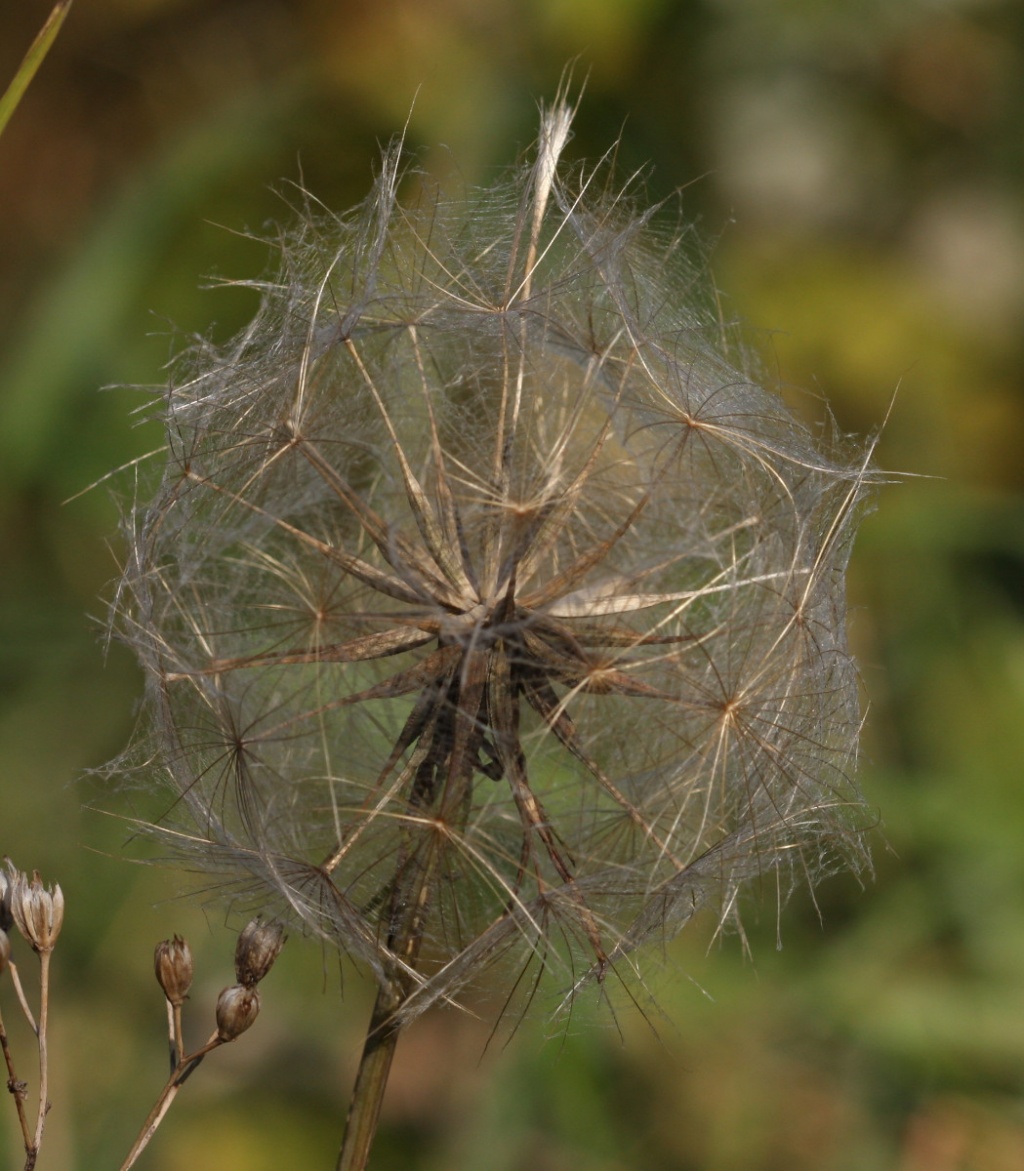
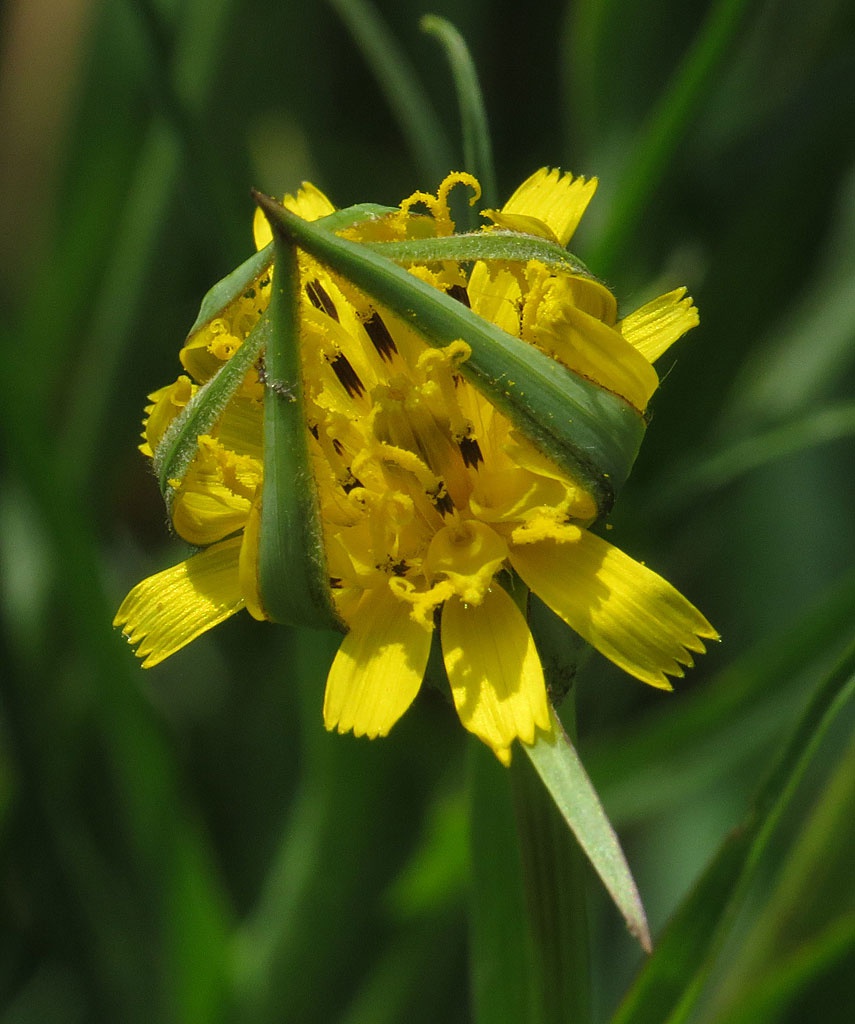
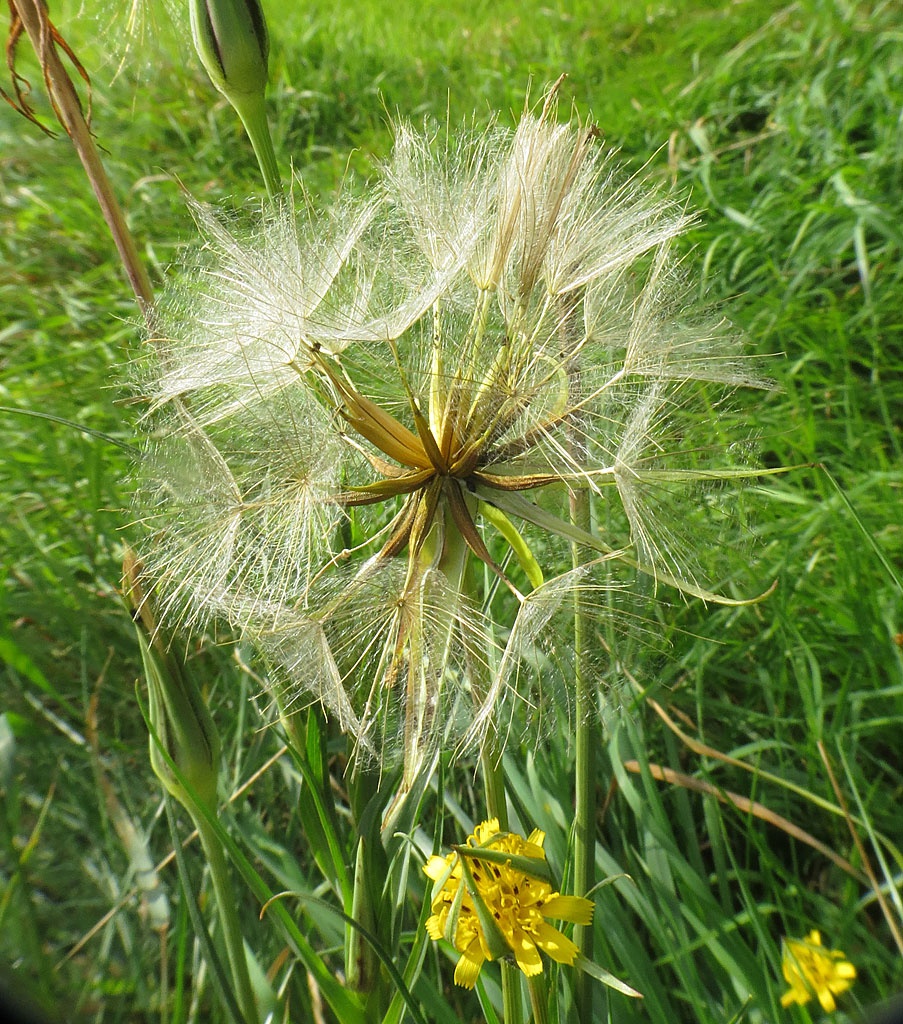
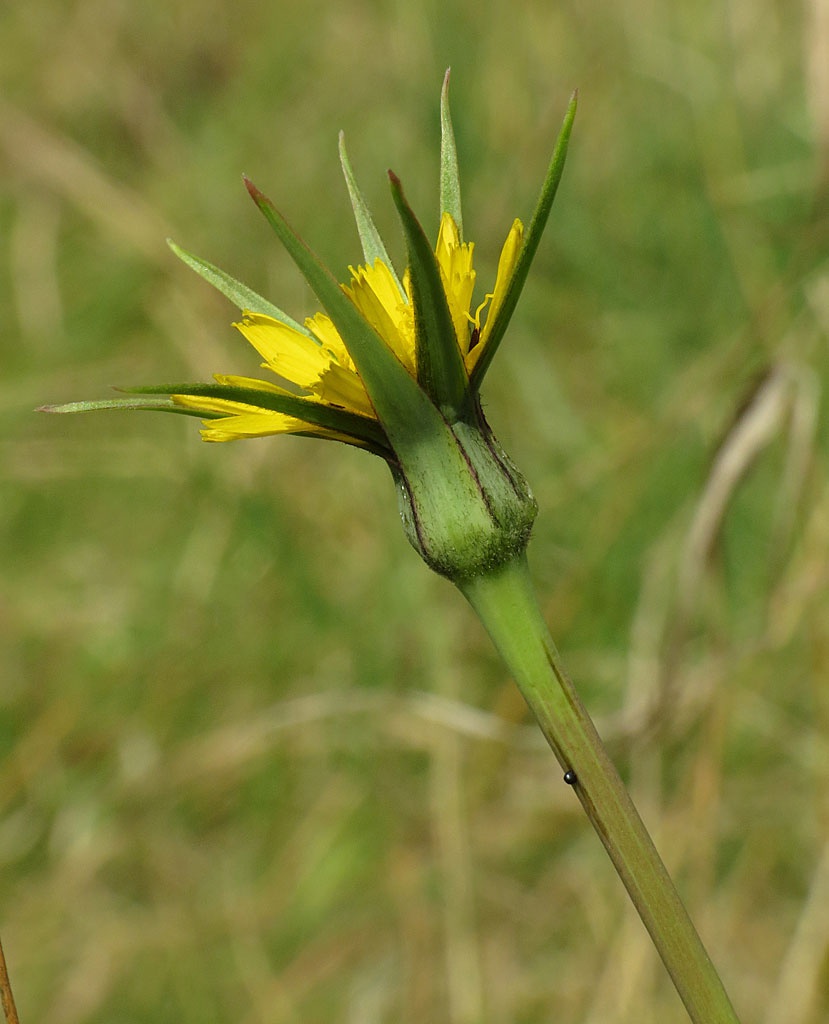
Medium to tall plant stem erect usually unbranched, leaves linear lanceolate, channelled, the stem leaves clasping and tapered to a fine point. Flowerheads bright yellow, 18 to 40 mm flower bracts usually 8 to 10 and twice as long as the rays sometimes with pale reddish margin. Fruit a large off-white clock. Flowers open only prior to 1 pm.

Rough grassy places.
June and July.
Annual or short lived perennial.
Common throughout England, scarcer in parts of Scotland and Wales. The most common form in Britain is ssp. Minor.
Common in Leicestershire and Rutland. In the 1979 Flora survey of Leicestershire it was found in 450 of the 617 tetrads.
 B4114 Sapcote SP 4972 9277 (taken 10.7.2007).JPG) Graham Calow
Graham Calow
Sapcote
10 July 2007 Hinckley Road Sapcote SP 4826 9356 (taken 13.7.2008).JPG) Graham Calow
Graham Calow
Sapcote
13 July 2008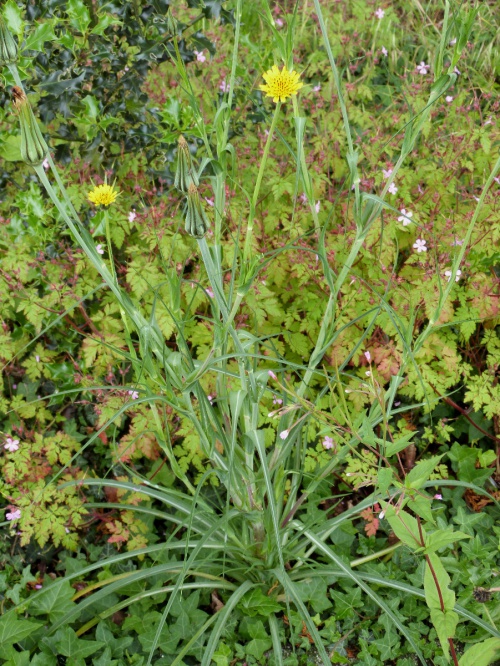 Graham Calow
Cosby
17 June 2016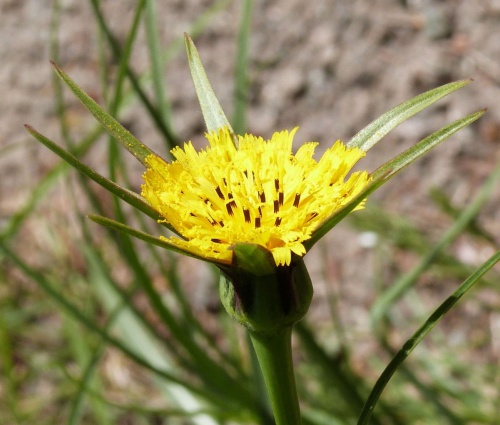 Graham Calow
Cambridge Road, Cosby
15 May 2016 Leicester Road Sapcote SP 5009 9316 (taken 3.6.2007)..JPG) Graham Calow
Graham Calow
Sapcote
03 June 2007
 B4114 Sapcote SP 4972 9277 (taken 10.7.2007).JPG)
 Hinckley Road Sapcote SP 4826 9356 (taken 13.7.2008).JPG)
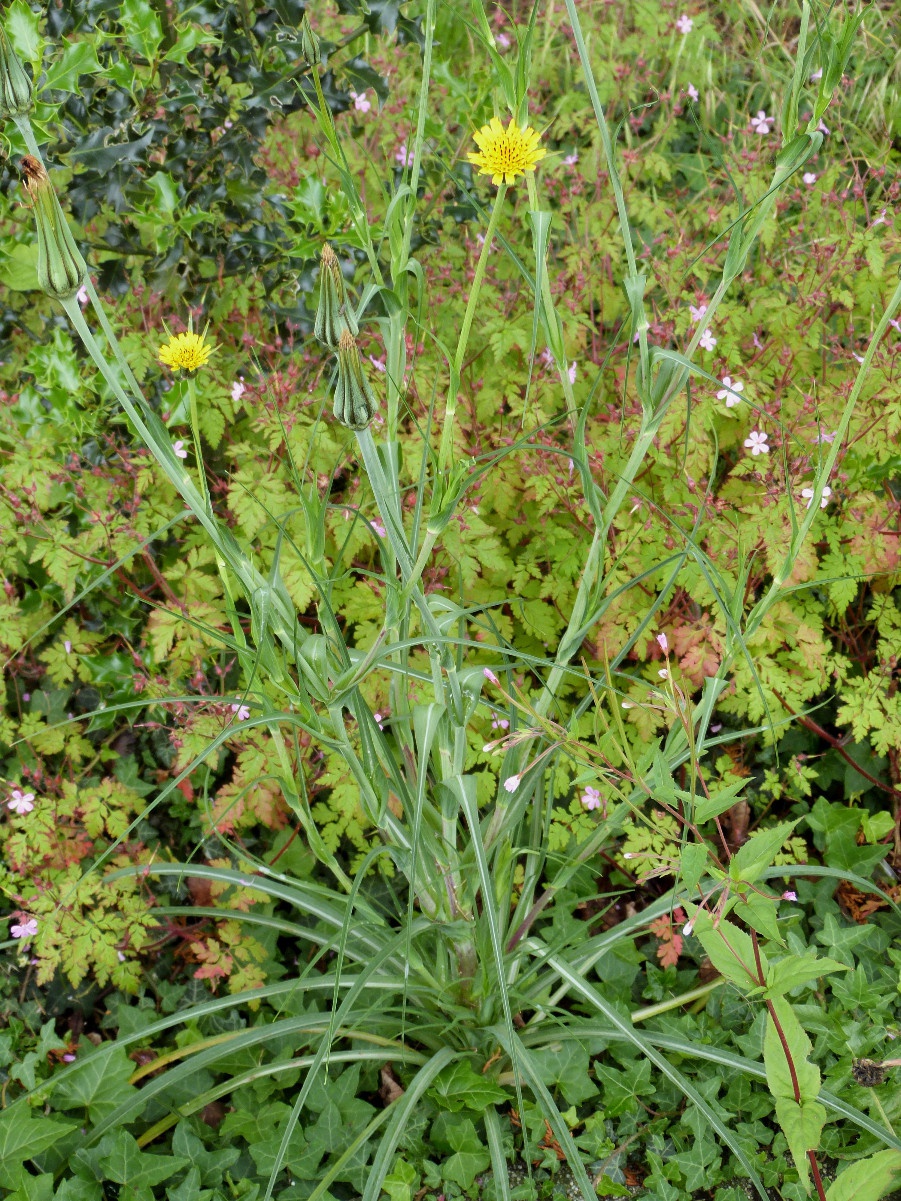
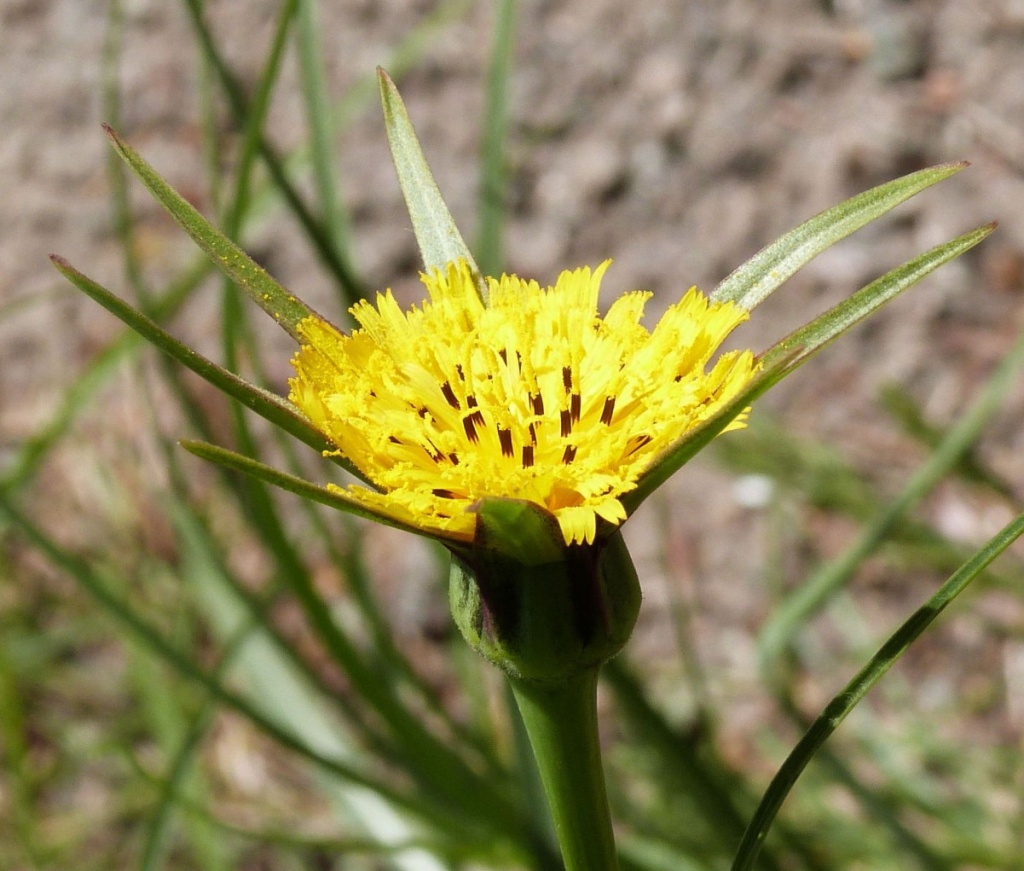
 Leicester Road Sapcote SP 5009 9316 (taken 3.6.2007)..JPG)
Leicestershire & Rutland Map
Enter a town or village to see local records
MAP KEY:
Yellow squares = NBN records (all known data)
Coloured circles = NatureSpot records: 2025+ | 2020-2024 | pre-2020
UK Map
Species profile
- Common names
- Goat's-beard
- Species group:
- flowering plant
- Kingdom:
- Plantae
- Order:
- Asterales
- Family:
- Asteraceae
- Records on NatureSpot:
- 252
- First record:
- 03/06/2007 (Calow, Graham)
- Last record:
- 27/06/2026 (Smith, Peter)
Total records by month
% of records within its species group
10km squares with records
The latest images and records displayed below include those awaiting verification checks so we cannot guarantee that every identification is correct. Once accepted, the record displays a green tick.
In the Latest Records section, click on the header to sort A-Z, and again to sort Z-A. Use the header boxes to filter the list.
Latest images
Latest records
 HAPeacock
City Farm - Cow Field
26 June 2012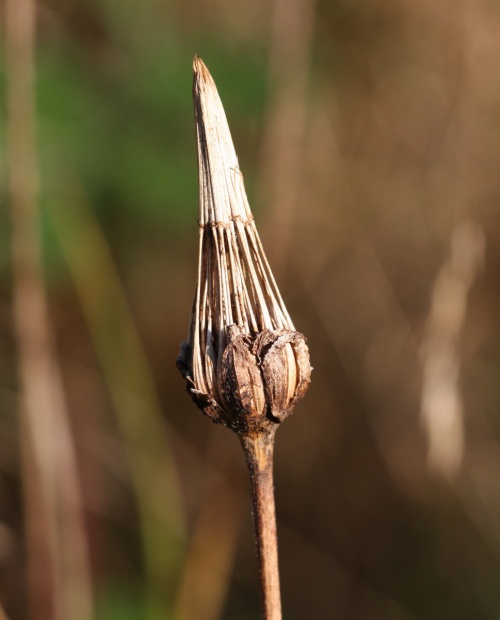 David Nicholls
St. Mary's Allotments, Leicester
06 October 2012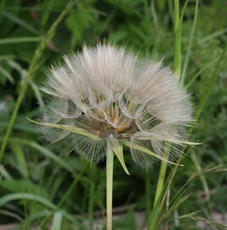 David Nicholls
Rutland Water
27 May 2011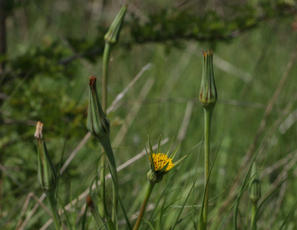 David Nicholls
Bagworth Heath
19 May 2011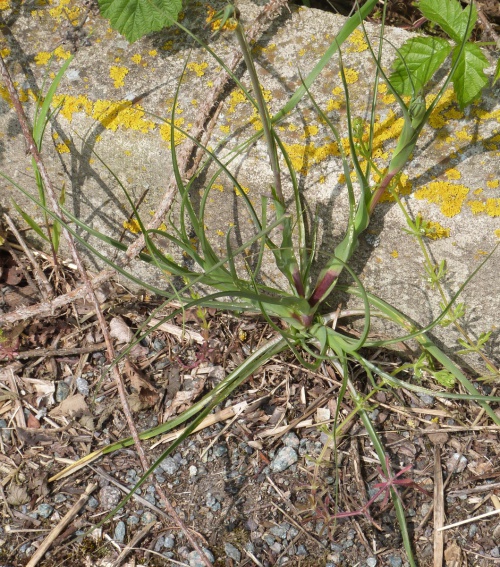 Graham Calow
Elmesthorpe
27 May 2016
leaves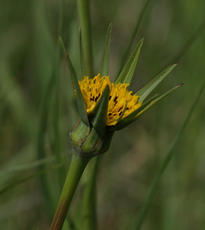 David Nicholls
Bagworth Heath
19 May 2011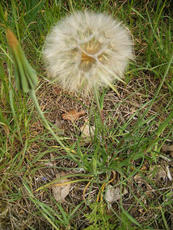 Ron.stevens
Broughton Astley
05 June 2011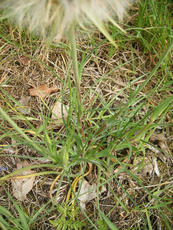 Ron.stevens
Broughton Astley
05 June 2011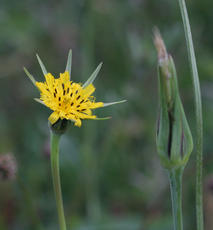 David Nicholls
Burbage Common
01 July 2011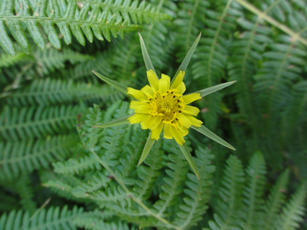 Peter Smith
Bradgate Park
02 July 2011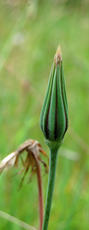 David Perrins
Battram
19 July 2011
Goat's-beard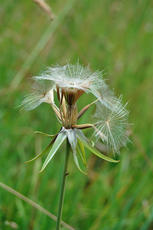 David Perrins
Battram
19 July 2011
Goat's-beard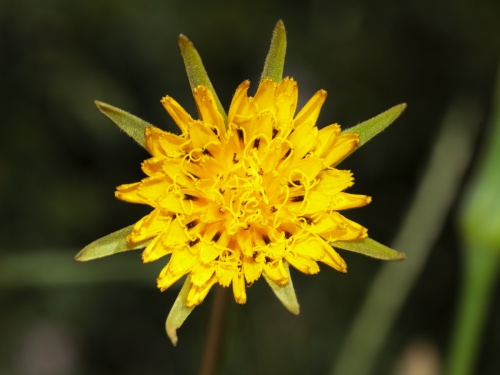 HAPeacock
Gilroes Cemetery Extension
19 June 2012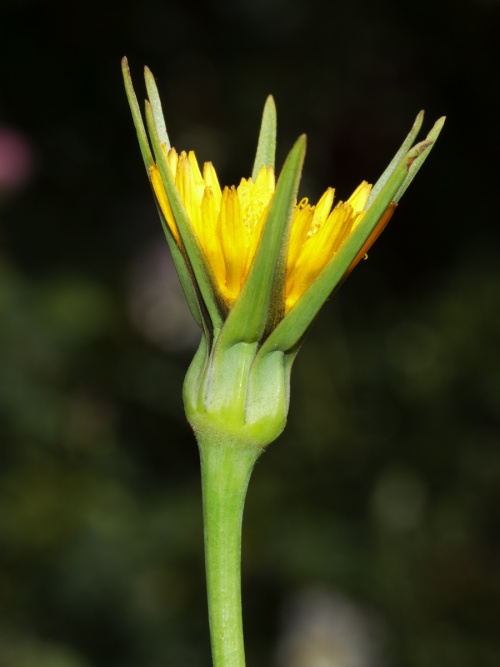 HAPeacock
Gilroes Cemetery Extension
19 June 2012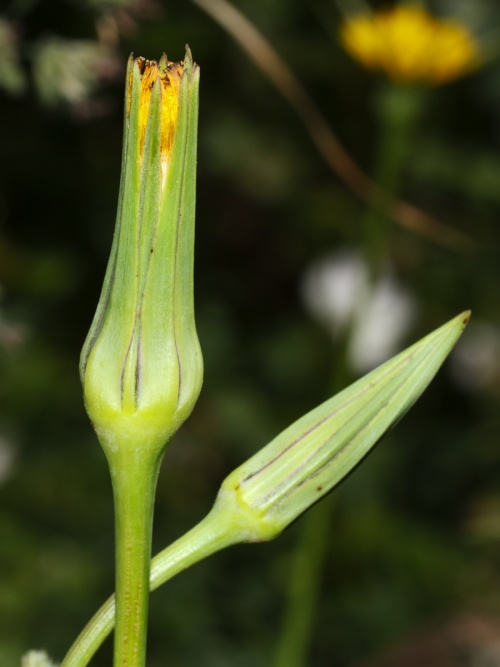 HAPeacock
Gilroes Cemetery Extension
19 June 2012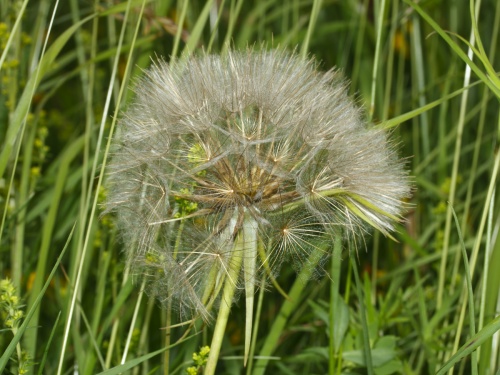 HAPeacock
City Farm - Cow Field
26 June 2012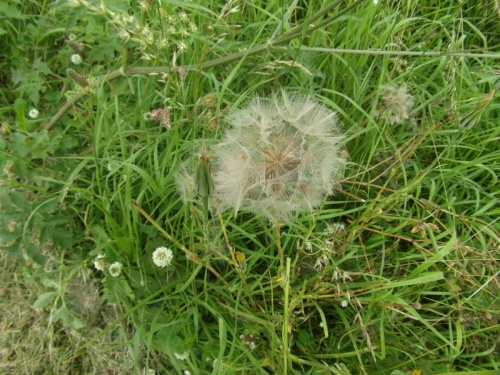 Alan Semper
Harby, Wlatham La verge nr wood
05 July 2012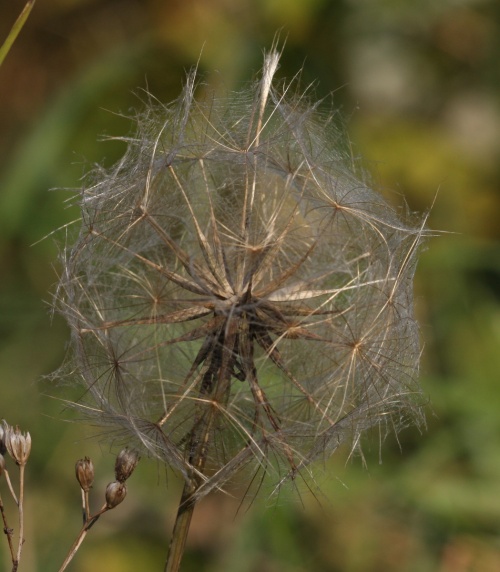 David Nicholls
St. Mary's Allotments, Leicester
06 October 2012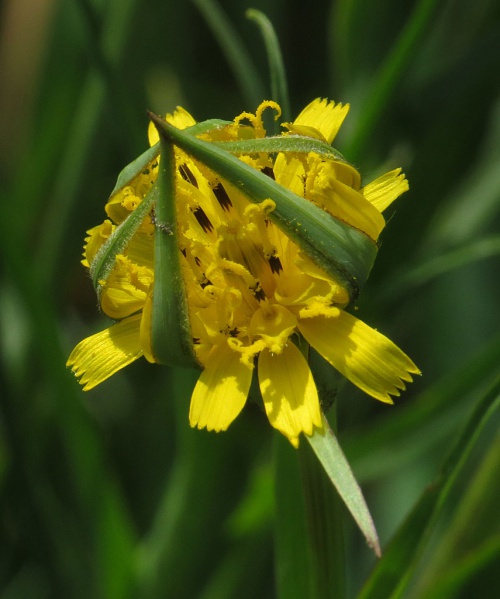 David Gould
Osiers Nature Area, Braunstone
13 September 2014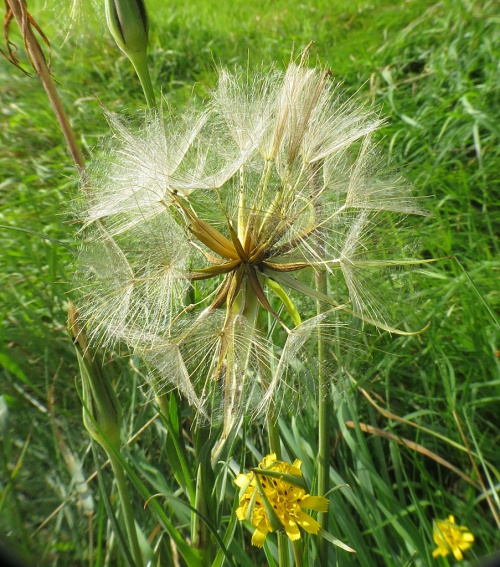 David Gould
Osiers Nature Area, Braunstone
13 September 2014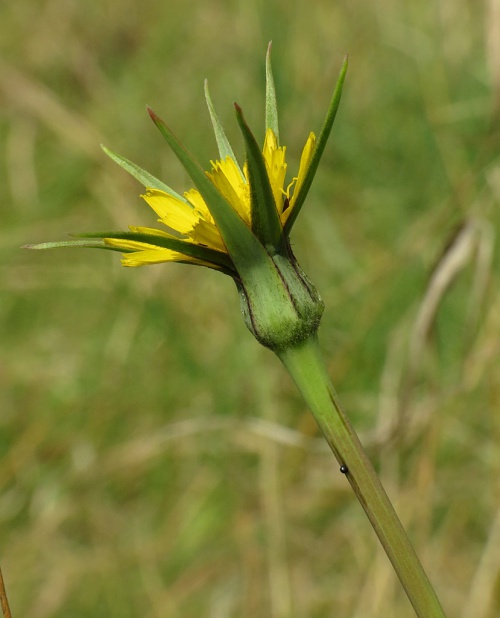 David Gould
Osiers Nature Area, Braunstone
13 September 2014
Microbotryum tragopogonis-pratensis
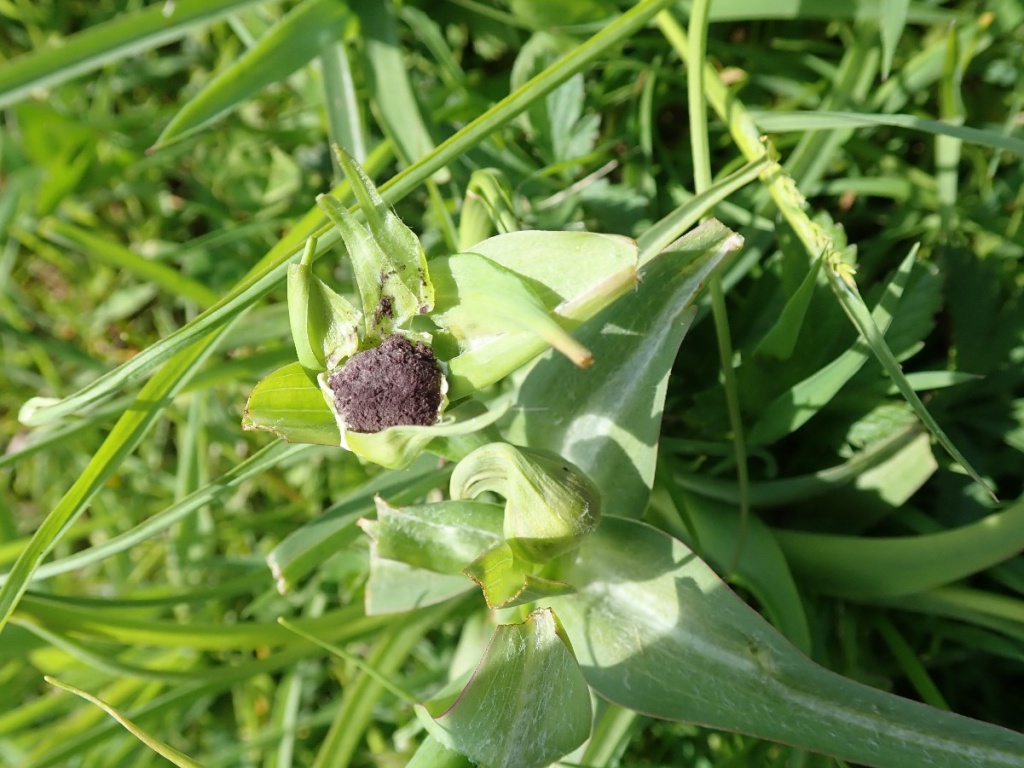
The smut fungus Microbotryum tragopogonis-pratensis affects Tragopogon species such as Goat's-beard and Salsify. The flower heads may be destroyed and all that remains is dark powdery smut in the base of the flower.
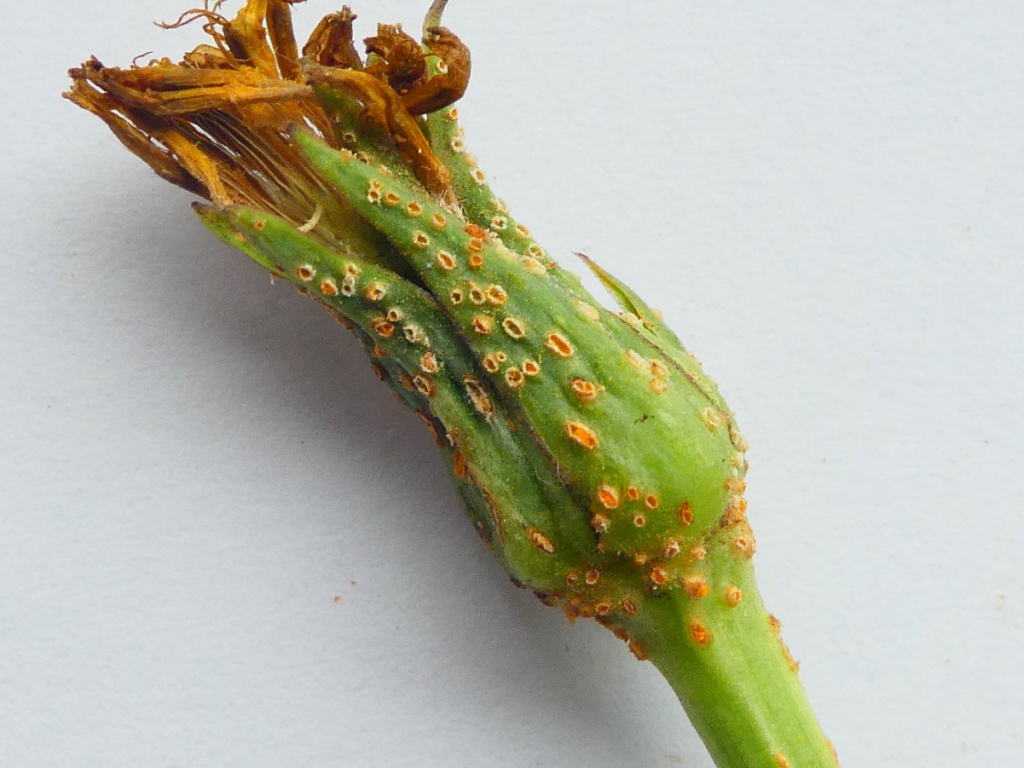
Puccinia hysterium
The rust fungus Puccinia hysterium galls Goat's-beard and may affect most of the plant which can become covered with yellow aecia. There is no host-plant alternation, and no uredinia are produced.