Fallow Deer - Dama dama
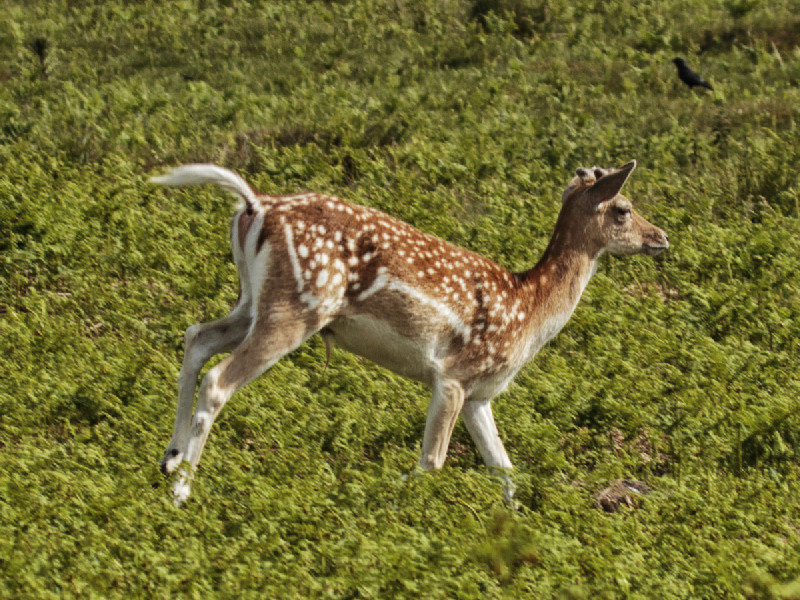
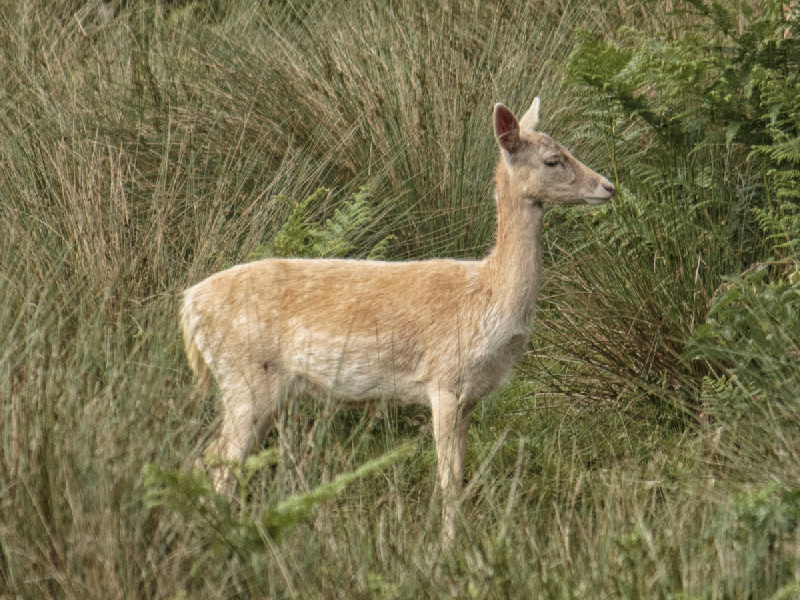
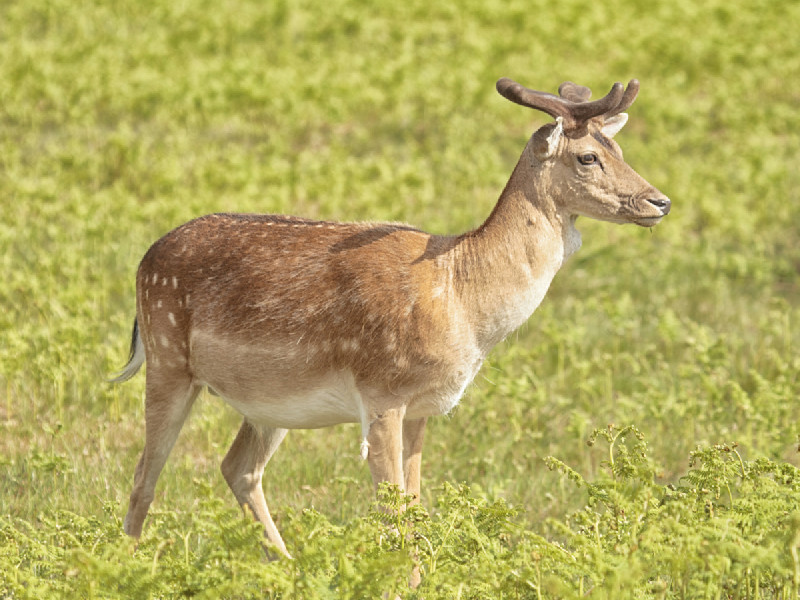
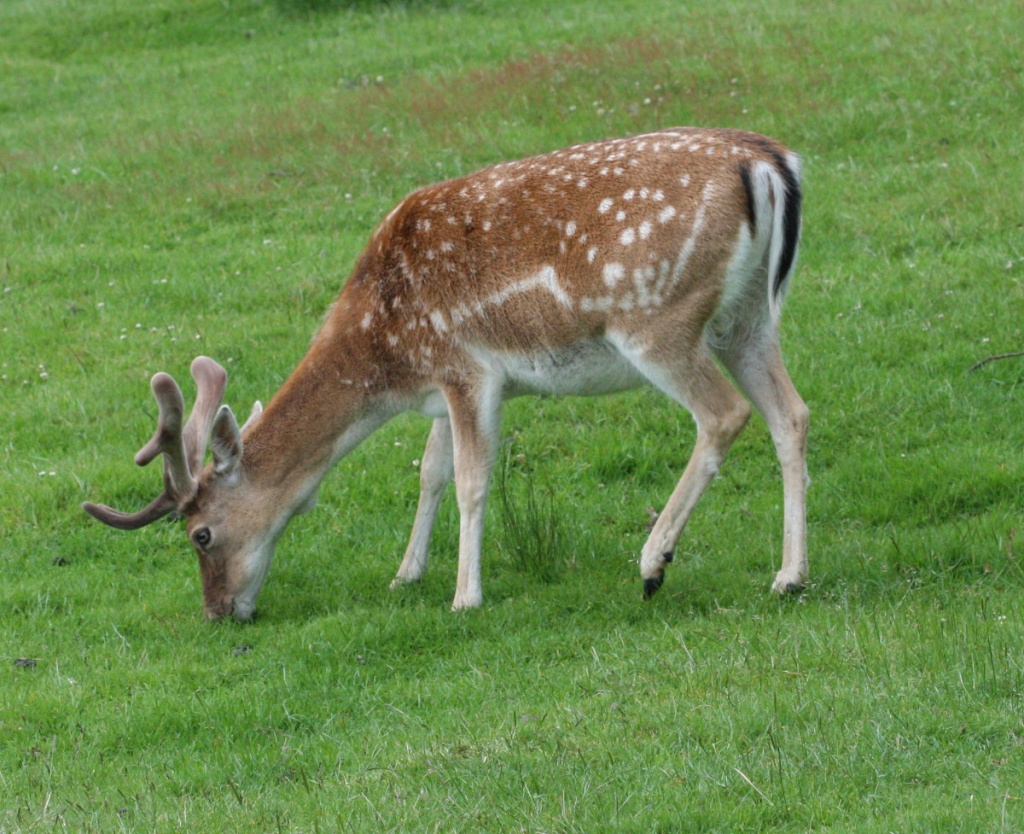
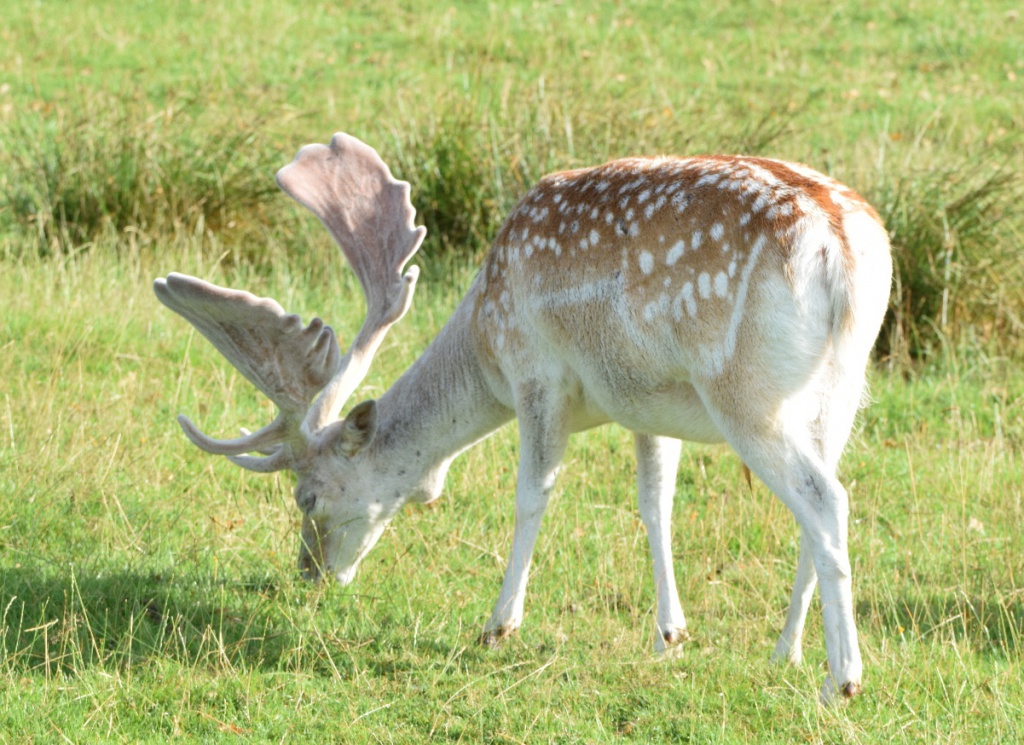
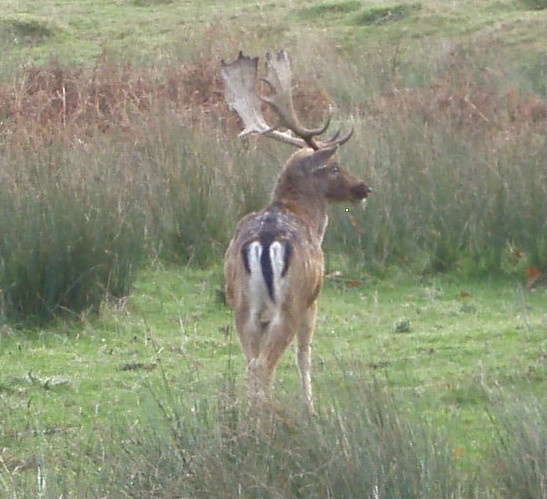
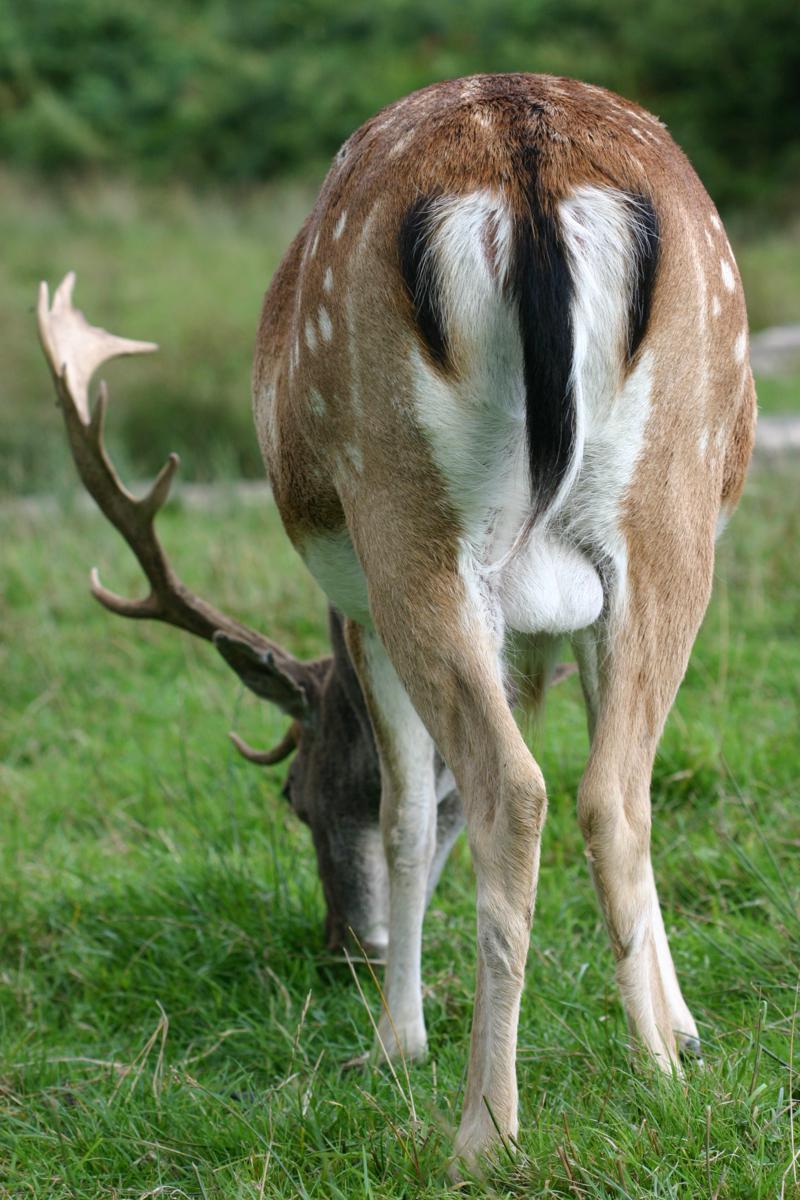
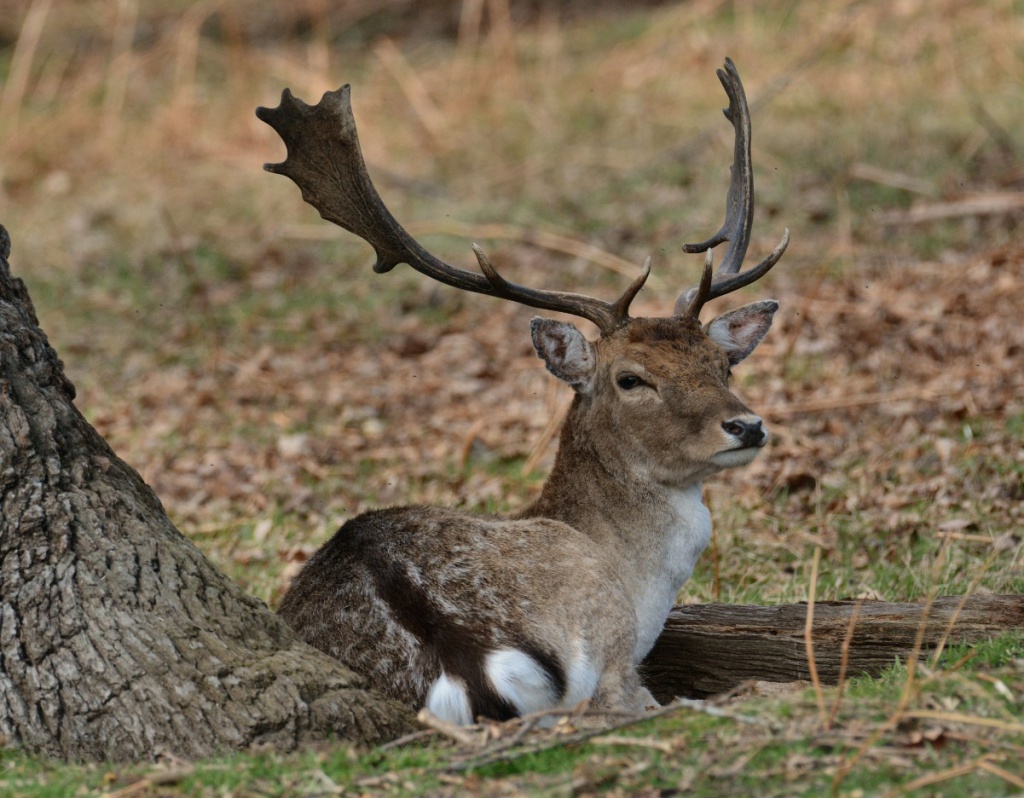
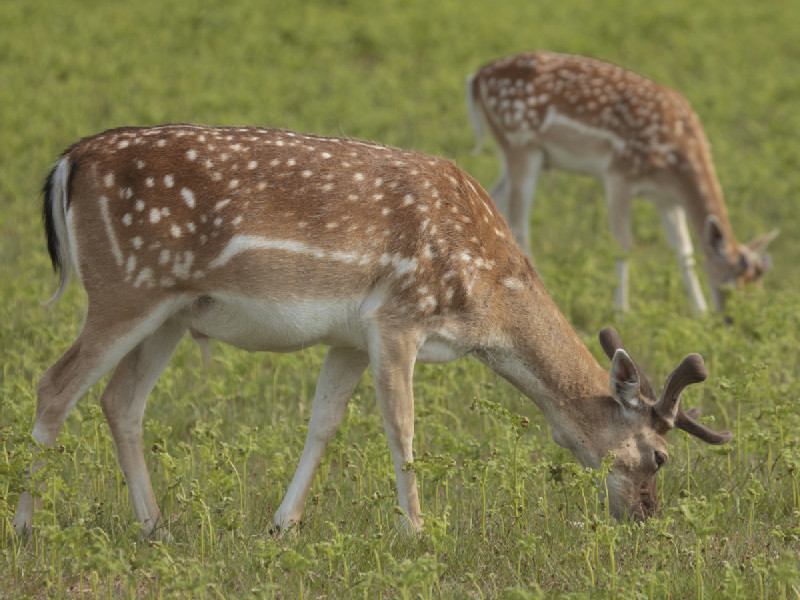
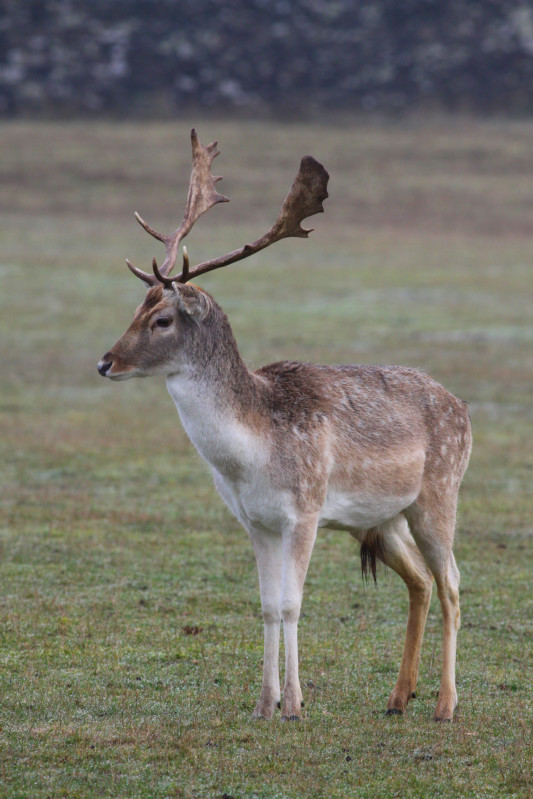
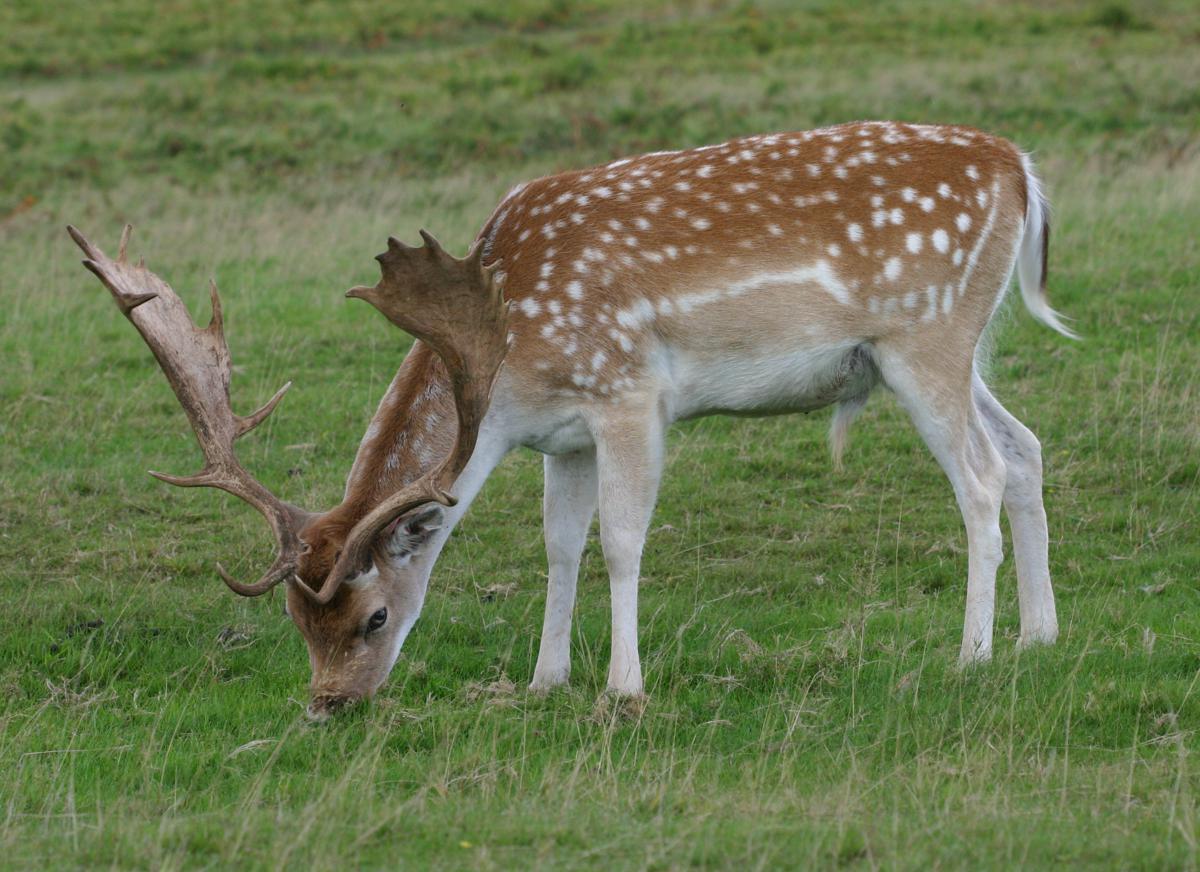
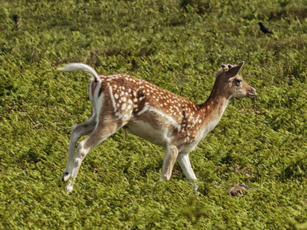
Fallow deer have many colour varieties but they are typically fawn-coloured in the summer and reddish-brown in the winter. They have yellow-white undersides, white spots and a black line that runs along the back to the tip of the tail. The rump is white with a black outline - like a white target and the black outline looks like a MacDonalds logo. The spots become less conspicuous or disappear in winter. Males have palmate (flattened) antlers. Fallow can also be white (not albino) or dark brown with spots hardly visible. Prefers to live in medium sized herds between 10-50 animals. Males (Bucks) generally live separately in bachelor hers outside of the rut (5-10 animals).
Sika deer
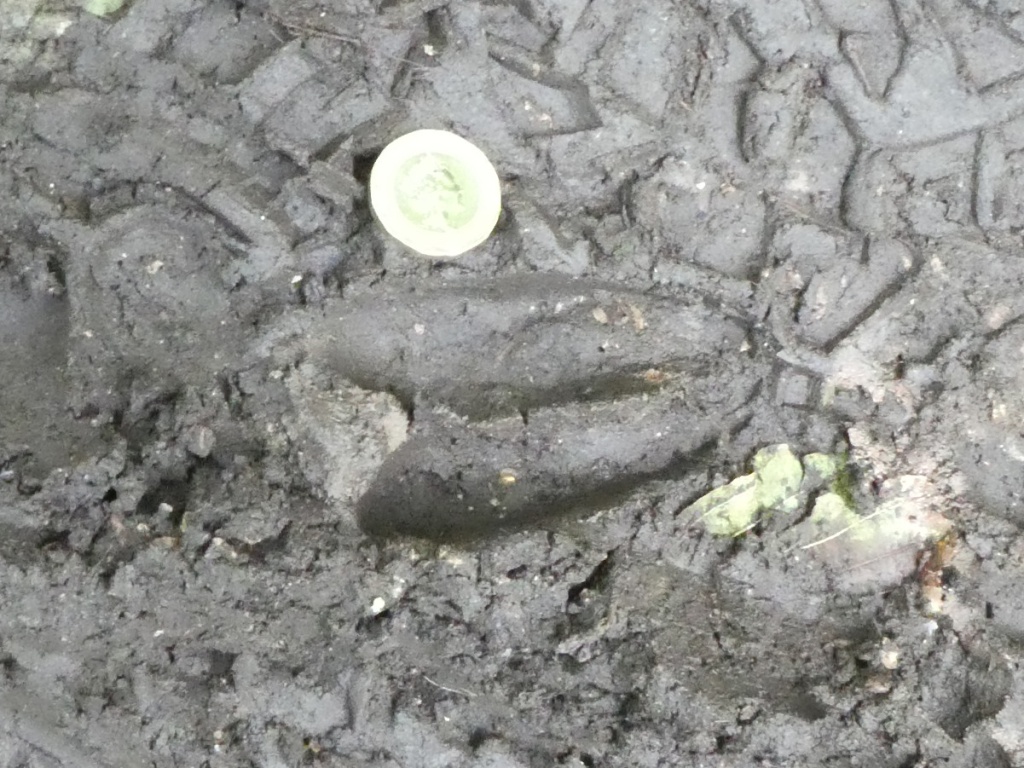
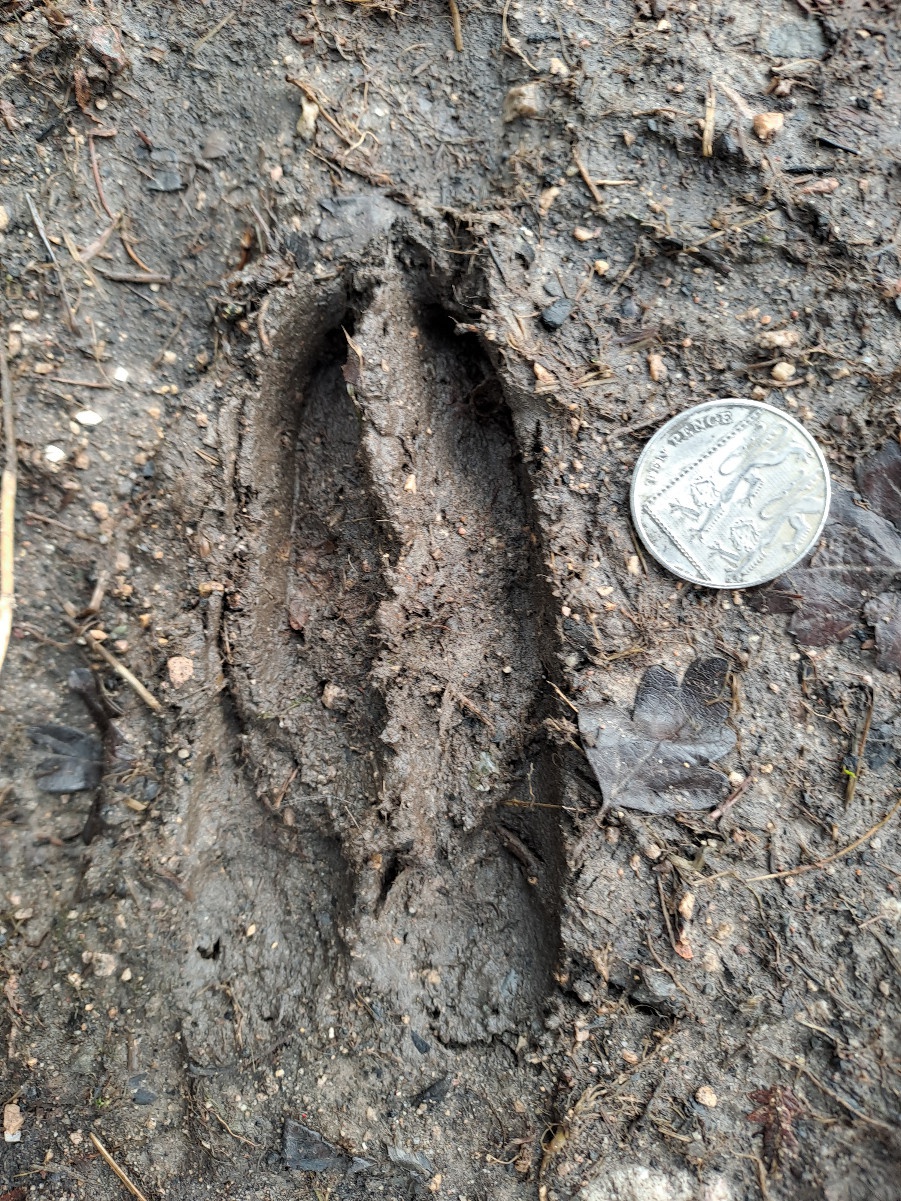
Adult  Slots (Hoof prints)
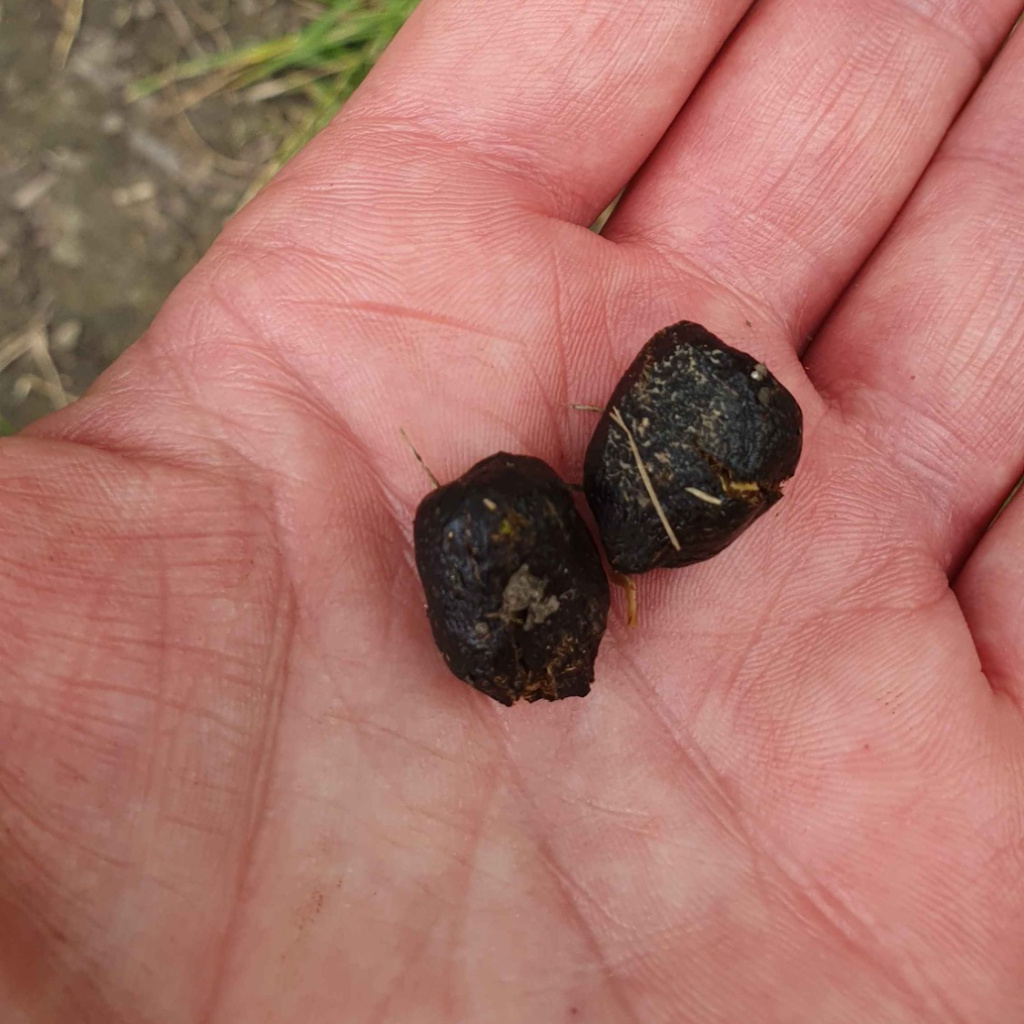
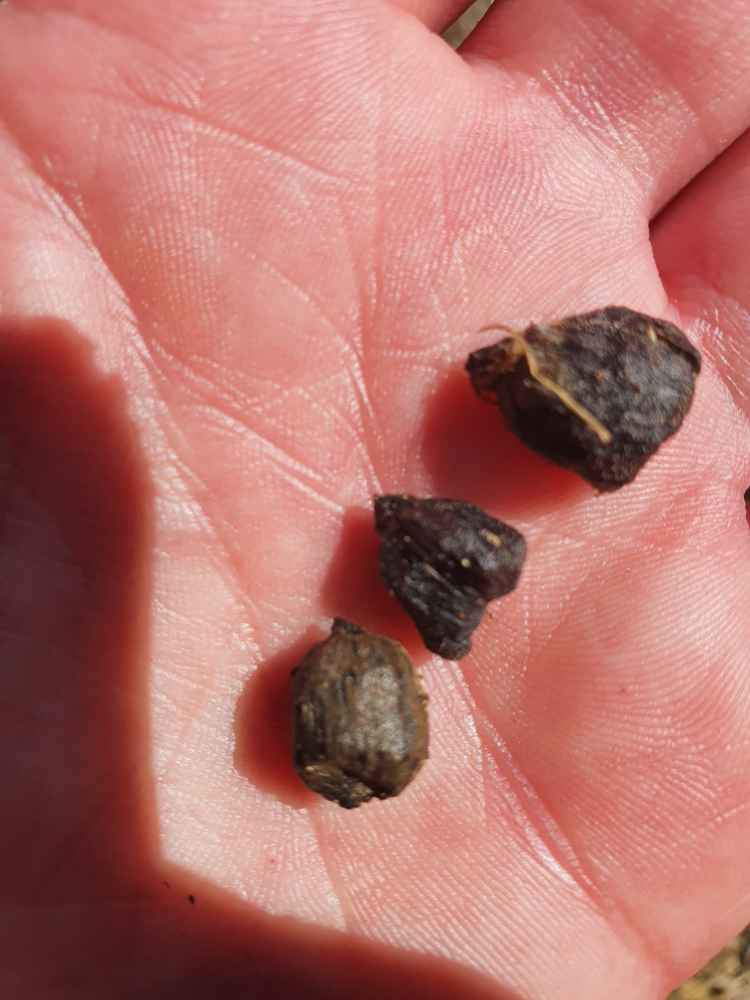
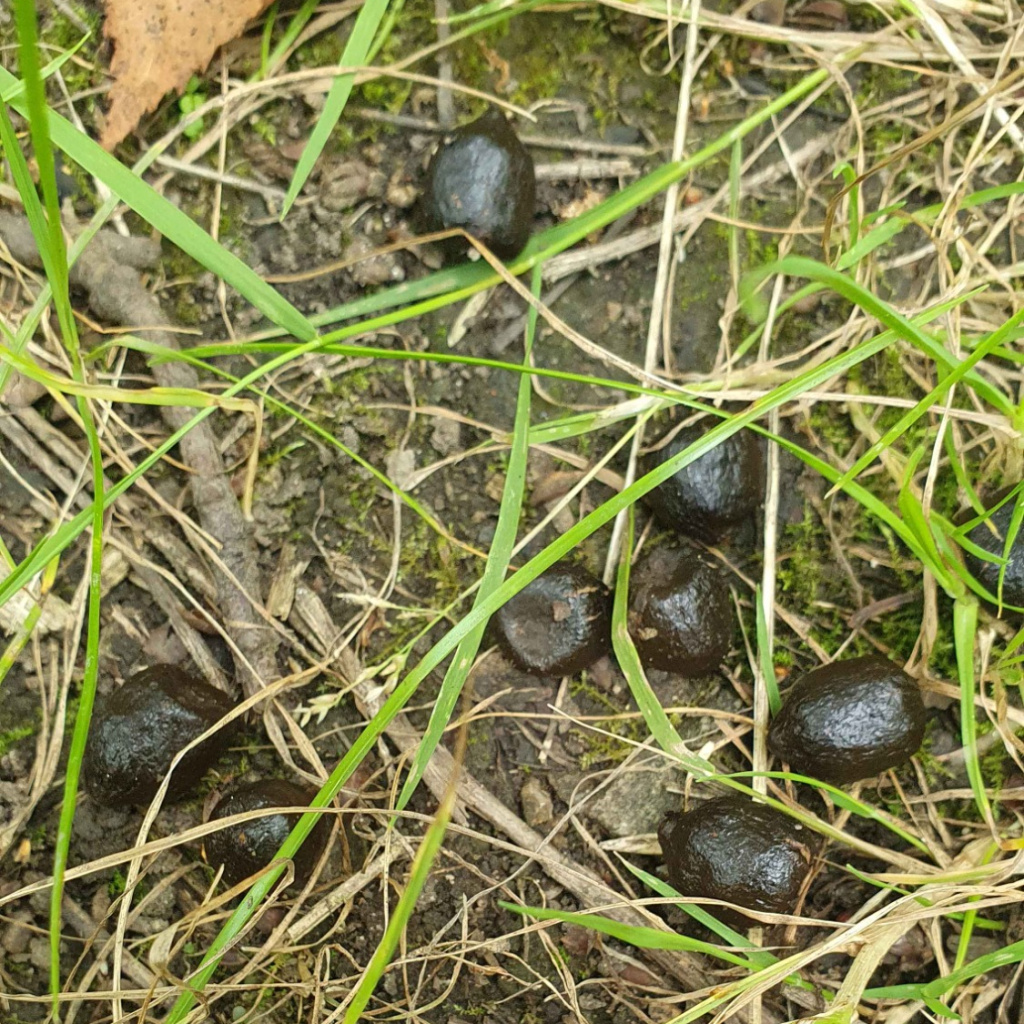
  , Droppings
Male antlers palmate, distinct black outline on a white rump
Hoof prints (slots) Forefoot has a straight outer edge which bends before the tip, hind foot has a concave pear-shaped outer wall
Droppings - large, rounded with a conical point
Tracks/Slots: Deer have cloven hooves where the hoof is divided into two parts known as cleaves which leave a clear indentation on soft ground or mud. The Fallow Deer has a large print as befits its size. The forefoot of a fully grown stag is 6-7- cm L and 3-4 cm W. They have sharp-pointed tips and a narrower rounded outline that are curved symmetrically towards the tip. The toe pad is a third of the hoof length. The hind foot is often more concave or pear-shaped than the front.
Faeces: Do not have an obvious colouration or smell. They may be excreted in a clump (similar to Sheep faeces) or found as individual droppings. Rounded with a pointed end, they are shaped like a bishops mitre . They are approximately 1-1.5 cm L by 0.8-1.2 cm W. The droppings are usually smooth, shiny and dark brown or black. Usually found on a well-used track/pathway the deer like to use to establish their territory or when feeding as part of a small herd (females and young).
Fur/Hair: Coarse outer hair may be found on sharp objects where it has caught as the animal jumps over and walks passed features such as barbed wire fences, scrub with spikes e.g. hawthorn, blackthorn or gorse. The colour of the hair is highly variable due to genetic diversity and also the seasonal coat (between spring/summer and autumn/winter). This ID alone cannot be relied on to confirm species ID.
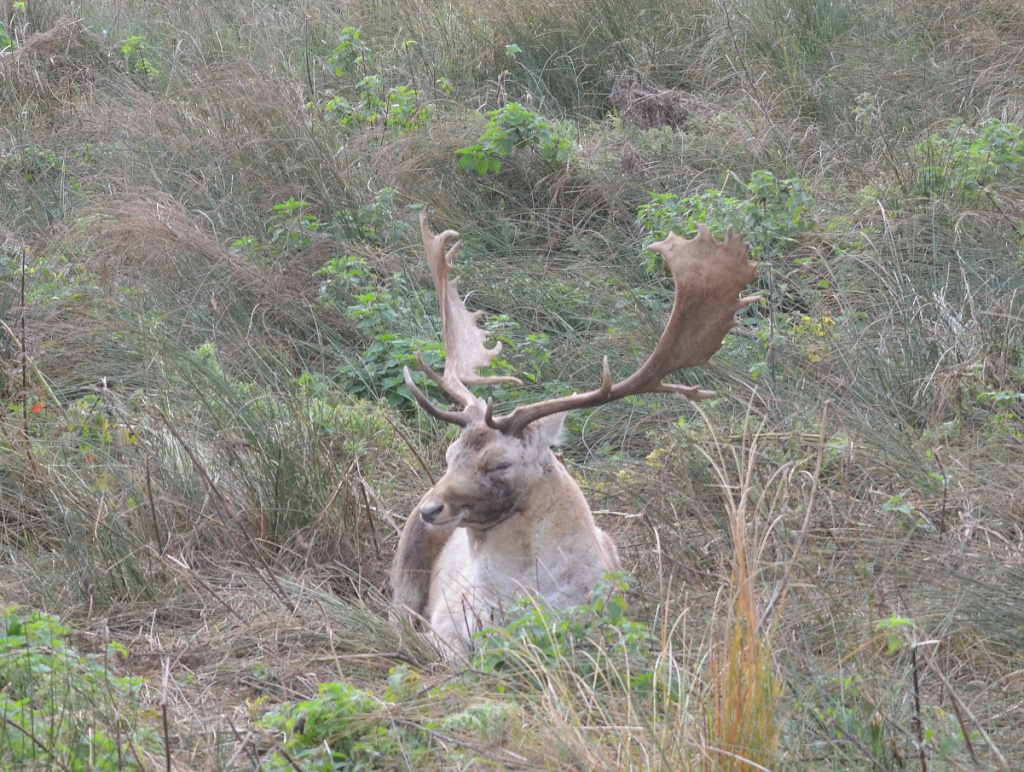
Dens/Burrows: Not applicable. The Fallow deer is a nomadic animal that will sleep or rest in the open by creating temporary areas and depressions in the vegetation. Females will secret their new born in dense vegetation to protect them.
Photograph the animal for verification where possible and/or a clear description of key ID features
All field signs require clear photographs, showing size and description.
Favours wooded areas and open parkland with domestic herds but sometimes on farmland in summer months.
All year round
Life span 12-16 years for females and 8-10 years for males. The 'rut' occurs in autumn when temperatures drop and breeding commences. Young are born in June-July after a gestation of ~234 days. They are weaned by the next rut and the females (does) usually breed as yearlings in the first season.
Introduced from Europe by the Normans and now well established in many parts of Britain and Ireland.
In Leicestershire and Rutland there are park herds at Donnington, Calke estate and Bradgate Park and there are locally common feral populations in north-west Leicestershire and north-east Rutland.
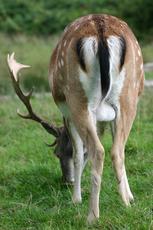 David Nicholls
Bradgate Park
01 September 2006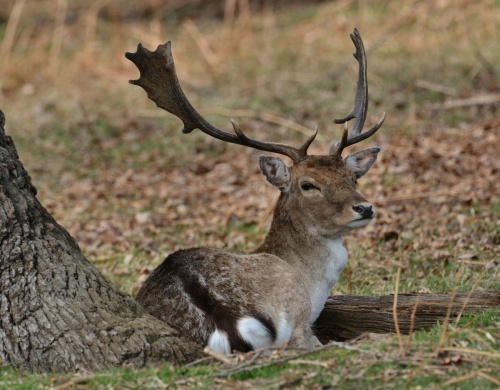 Barbara Cooper
Bradgate Park
28 March 2019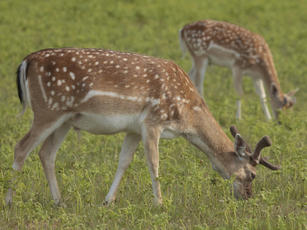 HAPeacock
Bradgate Park
07 June 2011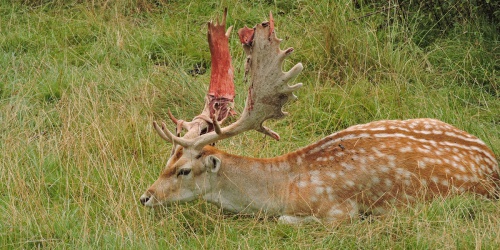 Mark Skevington
Bradgate Park
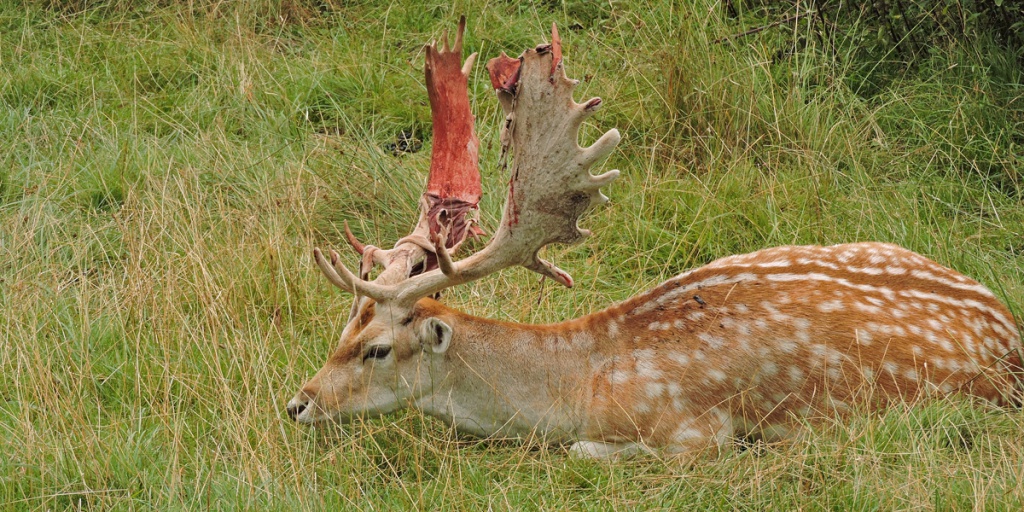
22 August 2016
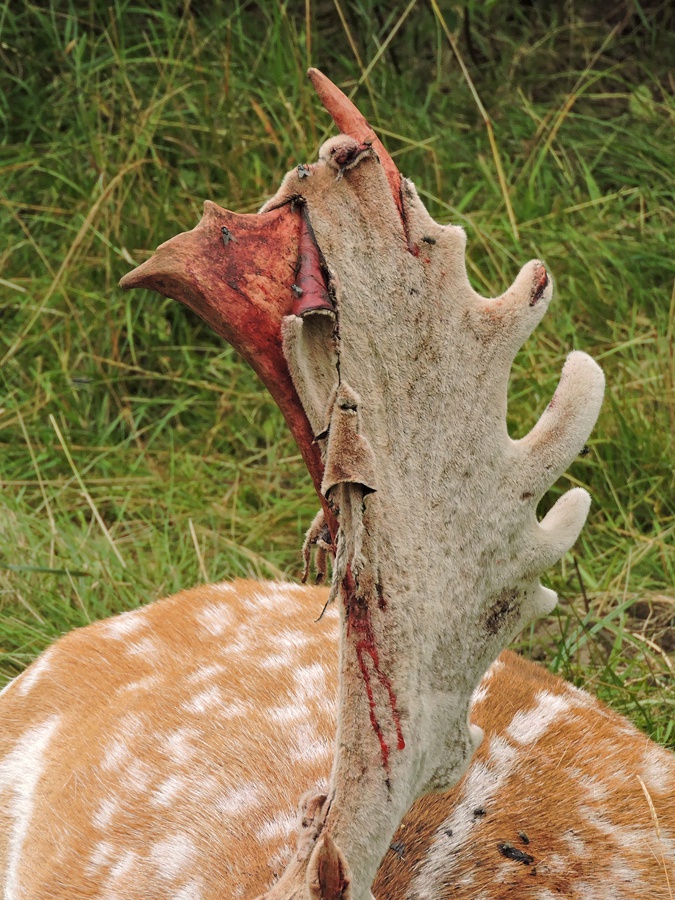
Stag shedding velvet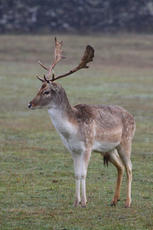 Jonesboy1
newtown linford
15 January 2012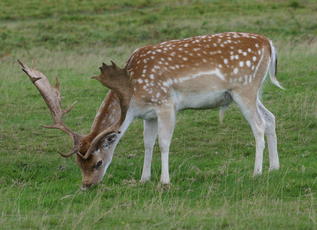 David Nicholls
Bradgate Park
01 September 2006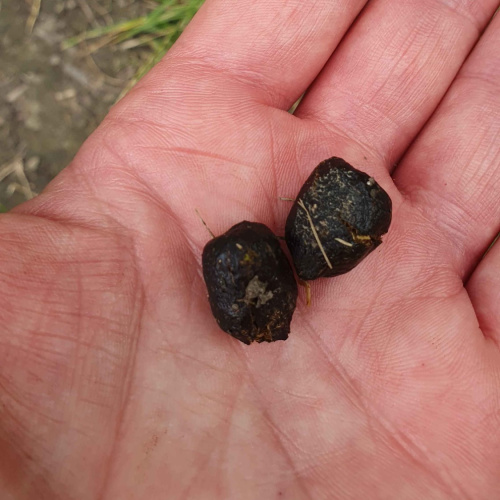 Helen O'Brien
Southwood, Derbyshire
16 August 2024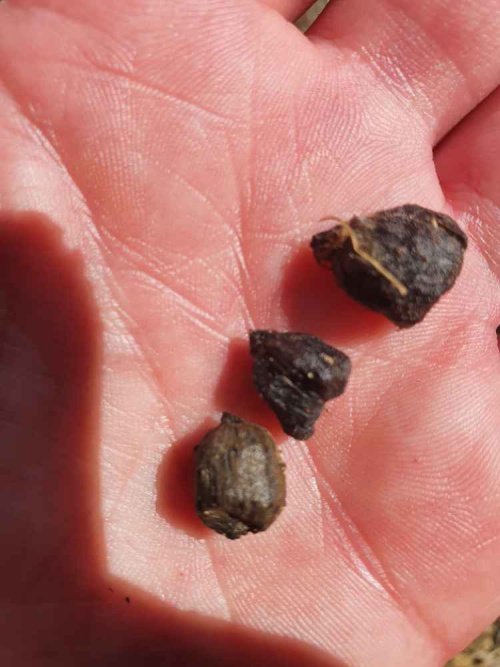 Helen O'Brien
Clipsham, Clipsham old quarry
19 August 2022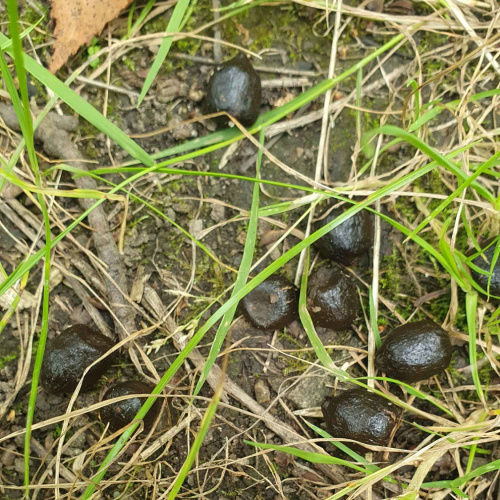 Helen O'Brien
Southwood, Derbyshire
16 August 2024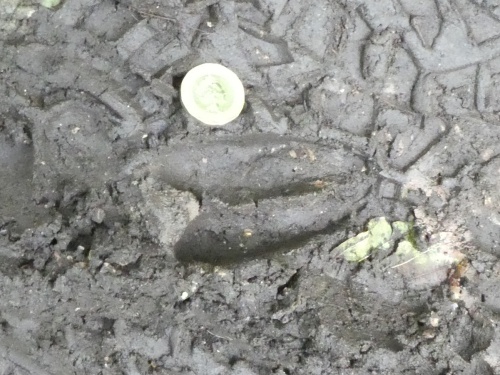 Melinda Bell
Dimminsdale Nature Reserve
02 September 2023
£1 coin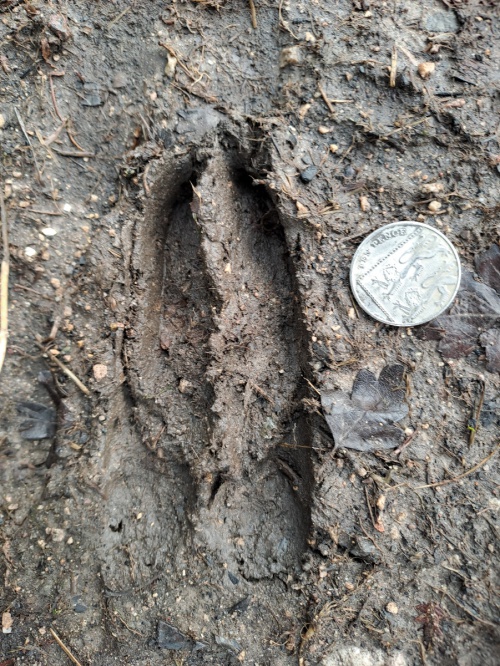 Melinda Bell
Calke,Track into Southwood
09 January 2023
Leicestershire & Rutland Map
Enter a town or village to see local records
MAP KEY:
Yellow squares = NBN records (all known data)
Coloured circles = NatureSpot records: 2025+ | 2020-2024 | pre-2020
UK Map
Species profile
- Common names
- Fallow Deer
- Species group:
- terrestrial mammal
- Kingdom:
- Animalia
- Order:
- Artiodactyla
- Family:
- Cervidae
- Records on NatureSpot:
- 79
- First record:
- 01/09/2006 (Nicholls, David)
- Last record:
- 04/03/2026 (Gaten, Ted)
Total records by month
% of records within its species group
10km squares with records
The latest images and records displayed below include those awaiting verification checks so we cannot guarantee that every identification is correct. Once accepted, the record displays a green tick.
In the Latest Records section, click on the header to sort A-Z, and again to sort Z-A. Use the header boxes to filter the list.
Latest images
Latest records
 HAPeacock
Bradgate Park
07 June 2011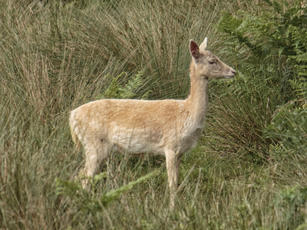 HAPeacock
Bradgate Park
07 June 2011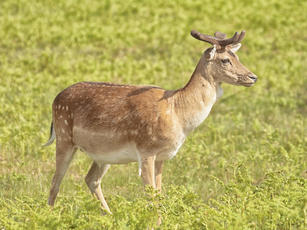 HAPeacock
Bradgate Park
07 June 2011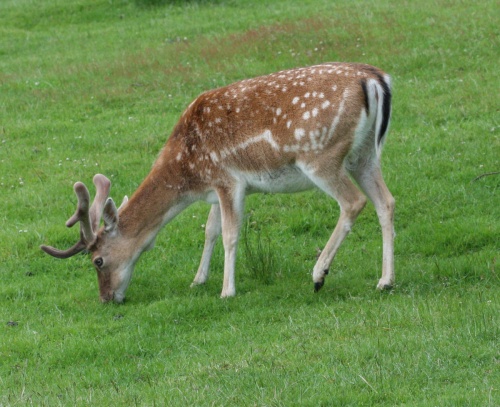 David Nicholls
Bradgate Park
16 June 2012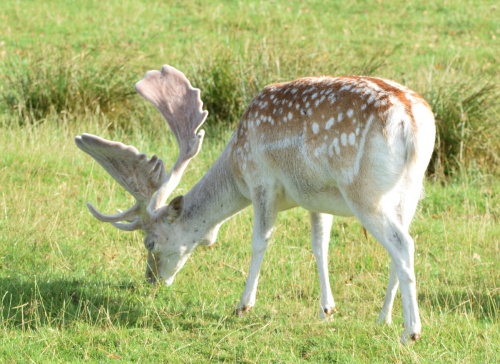 Steve Mathers
Bradgate Park
30 July 2016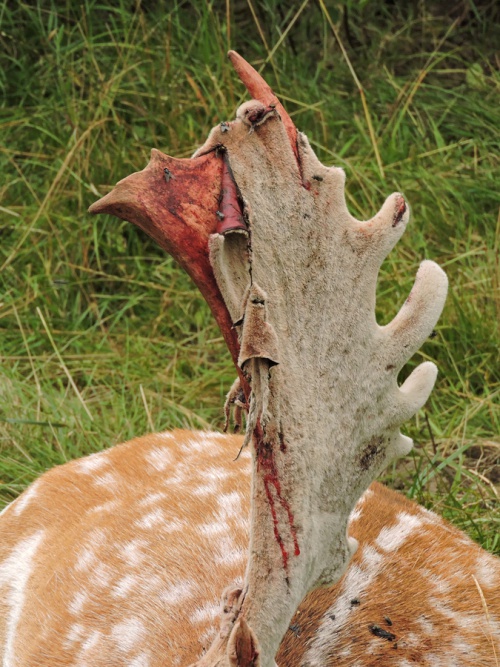 Mark Skevington
Bradgate Park
22 August 2016
Stag shedding velvet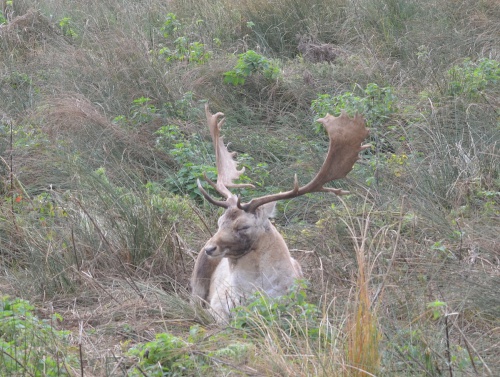 Steve Mathers
Bradgate Park (around Bradgate House)
10 October 2016
buck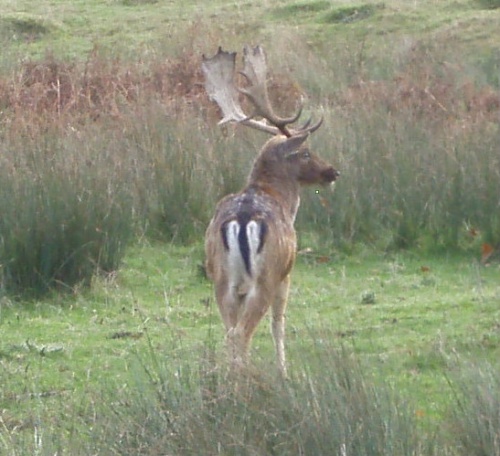 Alan Semper
Bradgate Country Park
30 October 2014