Wheatear - Oenanthe oenanthe
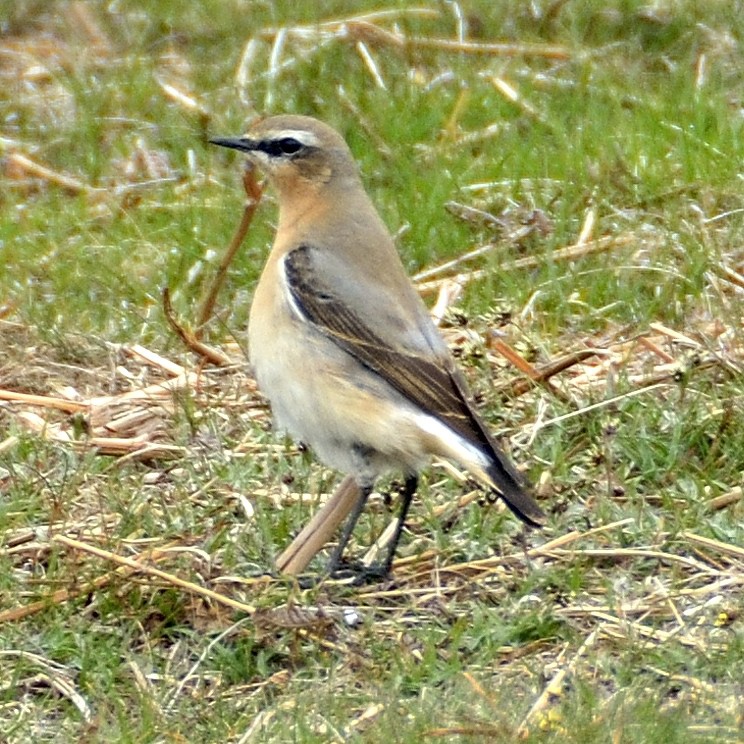
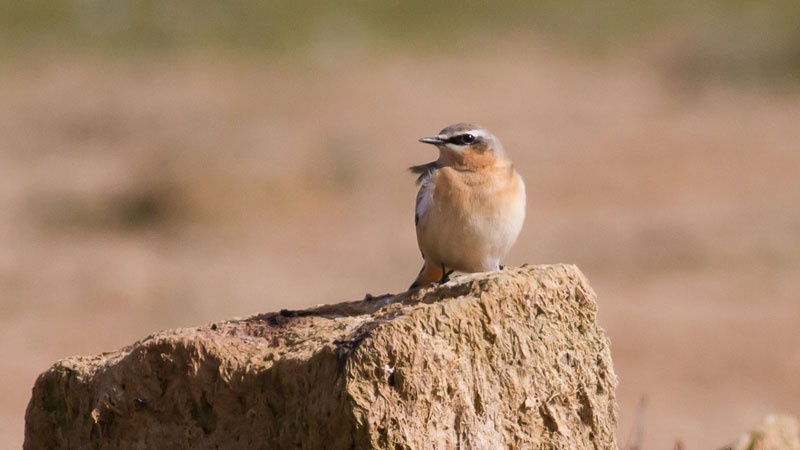
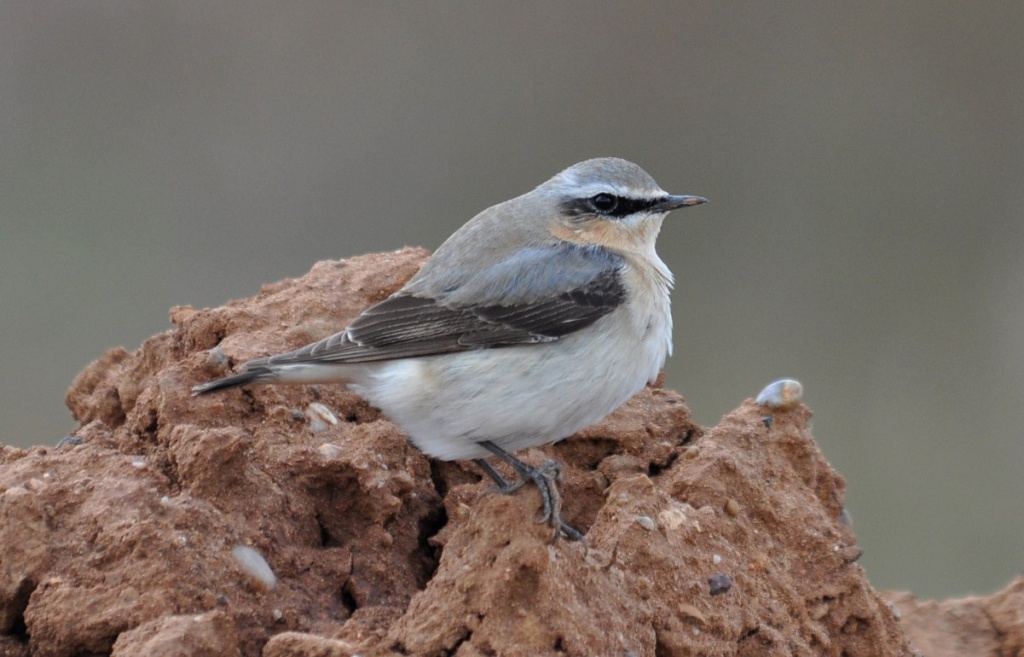
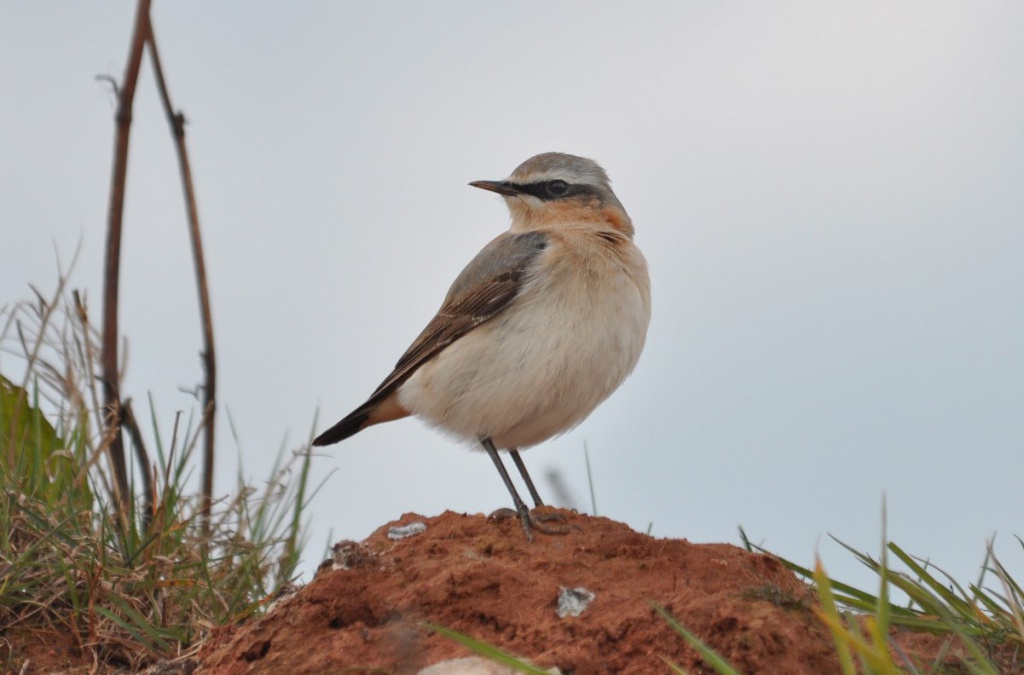
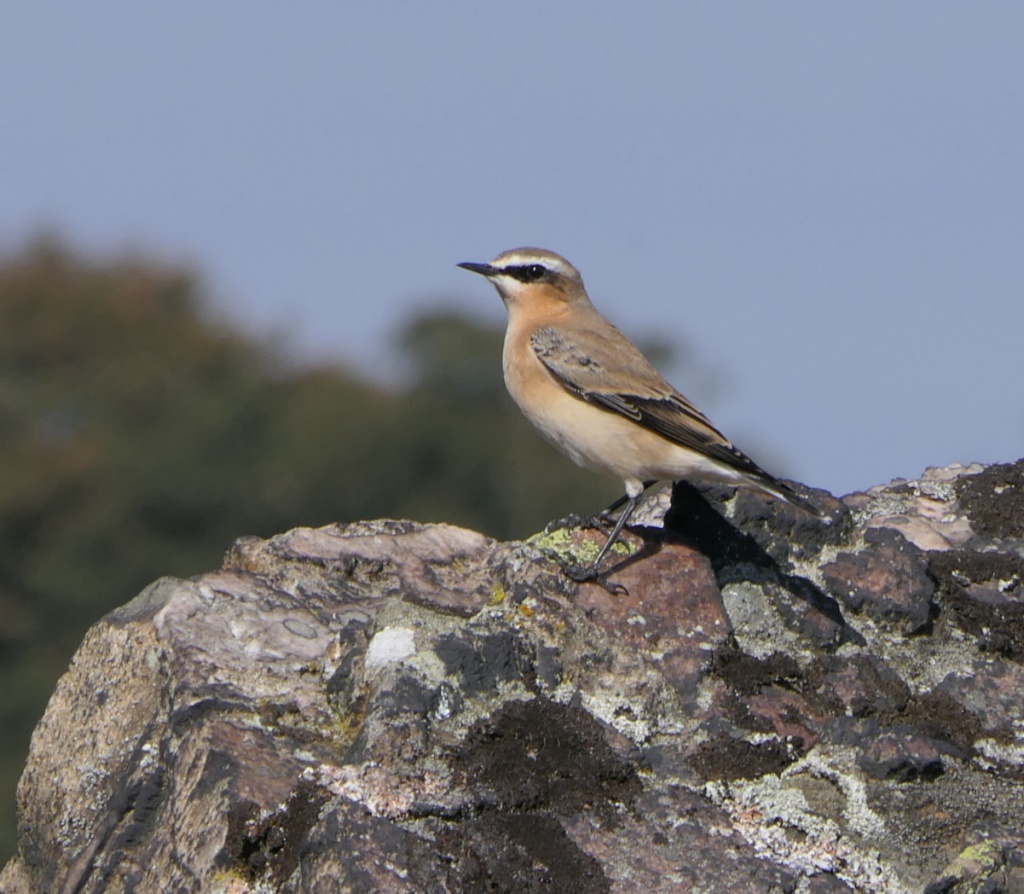
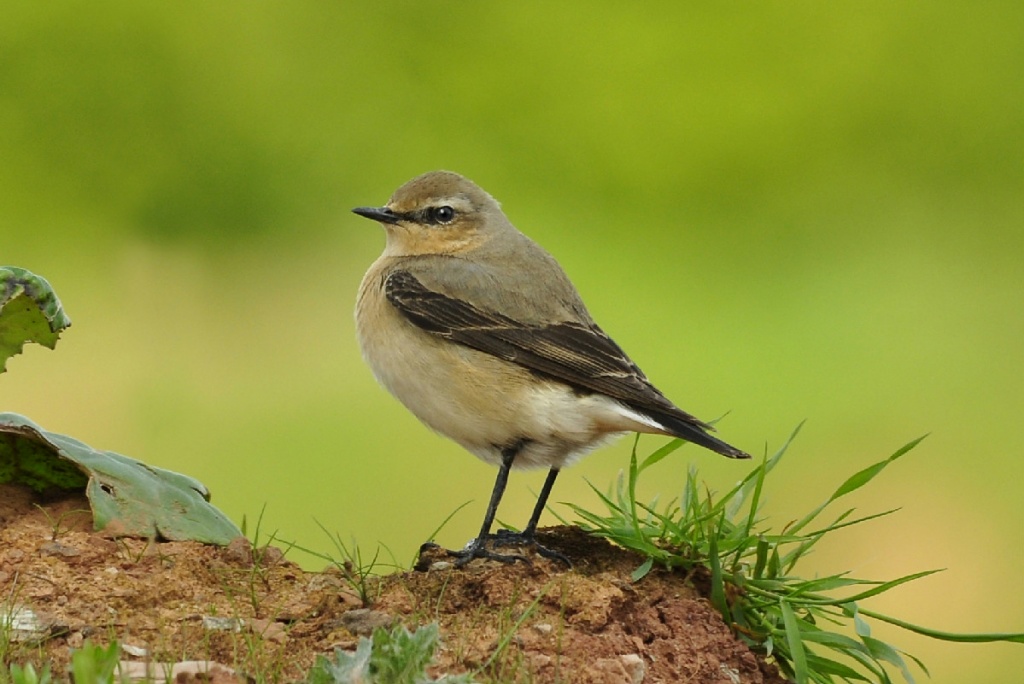
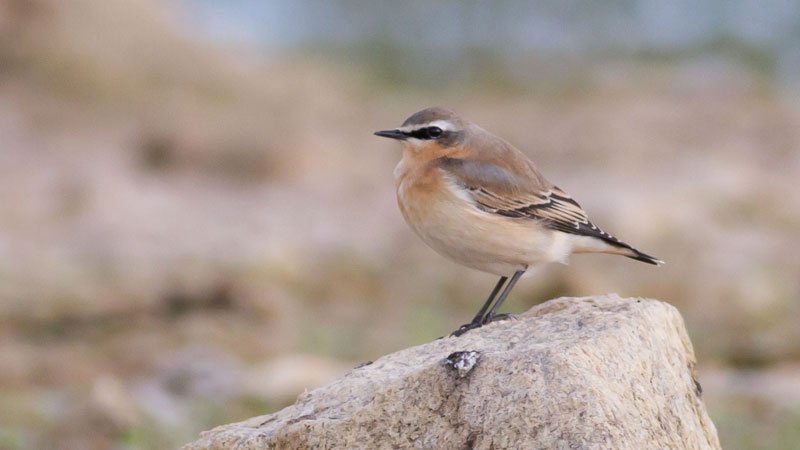
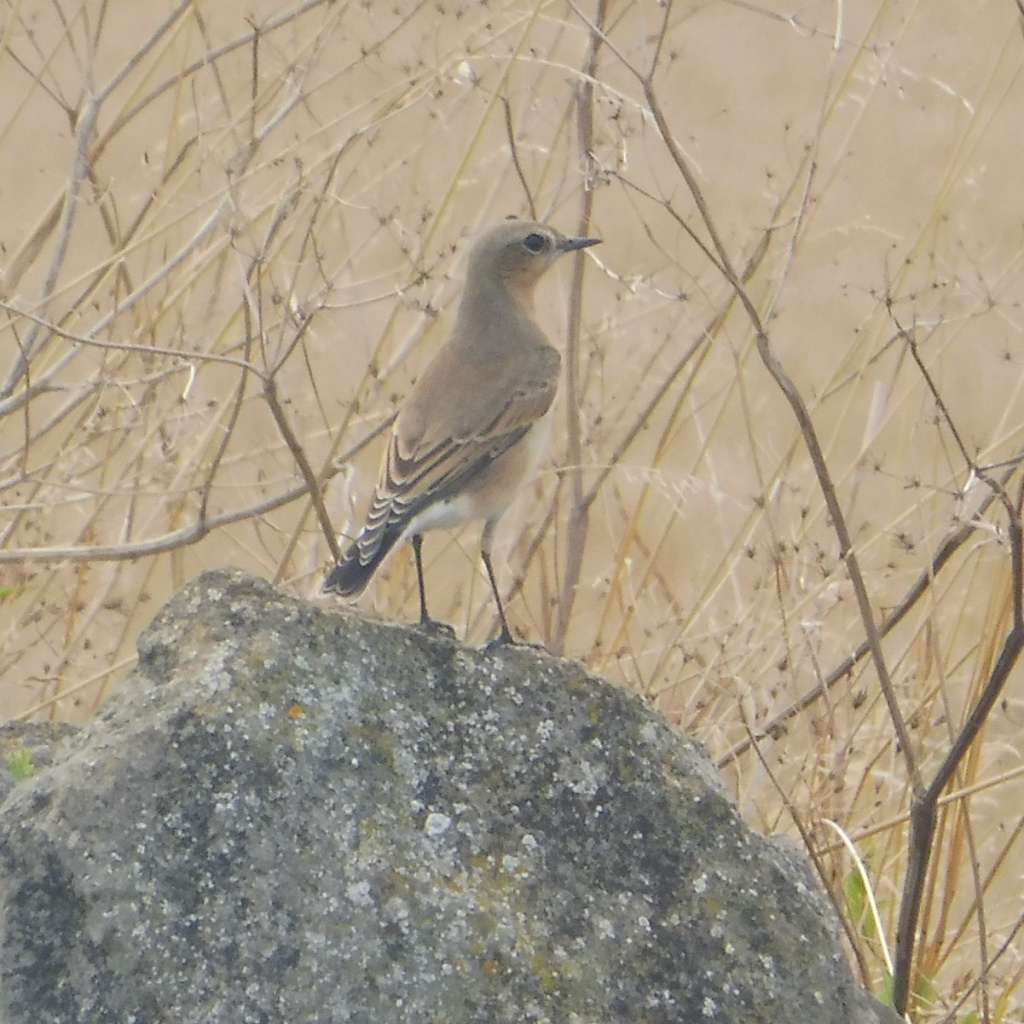
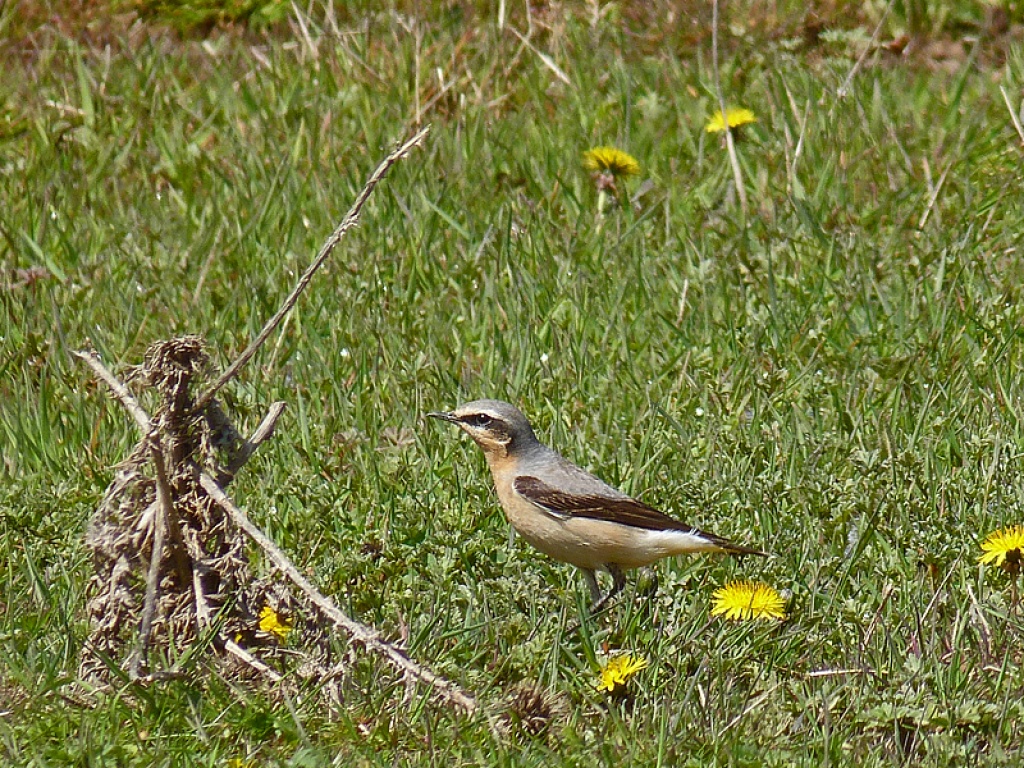
Smaller than a Blackbird, this bird is nearly always seen on the ground. The male has a grey back with black wings and a pale orange front. The female is generally buff. Both show a conspicuous white rump in flight.

This is a bird of upland areas where it breeds but can be seen in fields whilst on passage
Spring and autumn whilst it passes through on migration.
The Wheatear feeds on insects and larvae which it hunts for on the ground. It supposedly gets its name from a derivation of 'white-arse', referring to its white rump.
Widespread in Britain though less so in eastern England
A regular passage migrant and frequently seen in Leicestershire and Rutland..
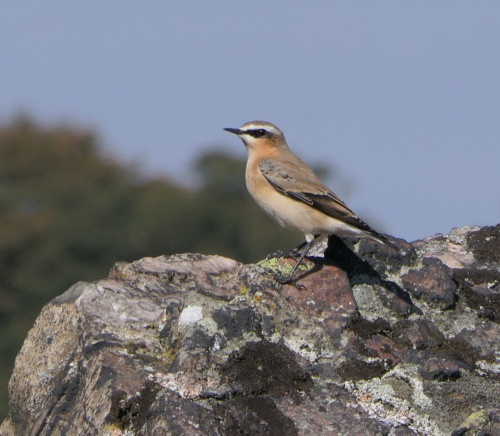 David Nicholls
Charnwood Lodge NR
20 September 2019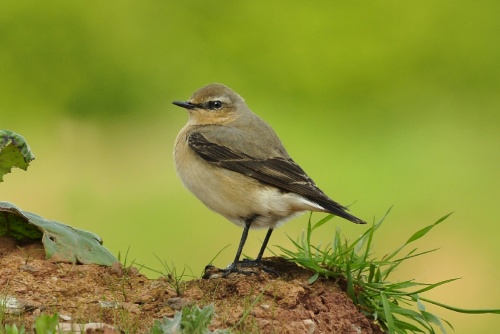 David Taylor
Brascote Pits
13 May 2012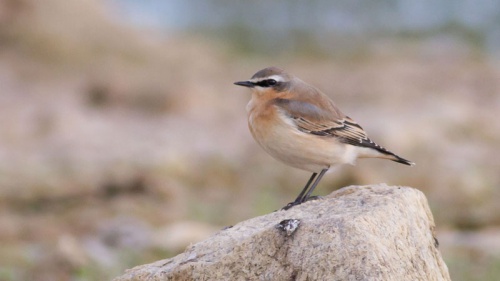 Rod Baker
Rutland Water
18 September 2013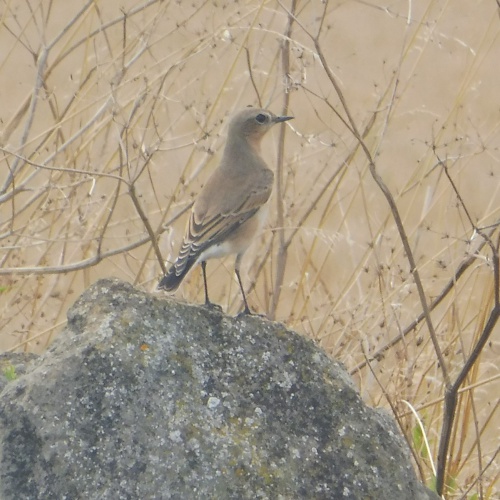 martindgrimes
Great Casterton
06 September 2016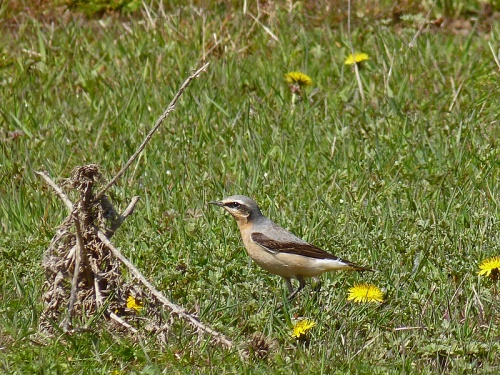 Mark Skevington
Grove Park
30 April 2012
Leicestershire & Rutland Map
Enter a town or village to see local records
MAP KEY:
Yellow squares = NBN records (all known data)
Coloured circles = NatureSpot records: 2025+ | 2020-2024 | pre-2020
UK Map
Species profile
- Common names
- Wheatear, Northern Wheatear
- Species group:
- bird
- Kingdom:
- Animalia
- Order:
- Passeriformes
- Family:
- Muscicapidae
- Records on NatureSpot:
- 113
- First record:
- 01/03/1995 (Ian Retson)
- Last record:
- 02/04/2026 (Nicholls, David)
Total records by month
% of records within its species group
10km squares with records
The latest images and records displayed below include those awaiting verification checks so we cannot guarantee that every identification is correct. Once accepted, the record displays a green tick.
In the Latest Records section, click on the header to sort A-Z, and again to sort Z-A. Use the header boxes to filter the list.
Latest images
Latest records
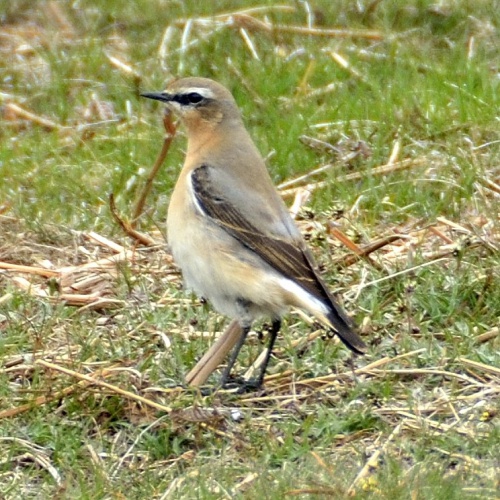 Barbara Cooper
Bradgate Park
23 April 2015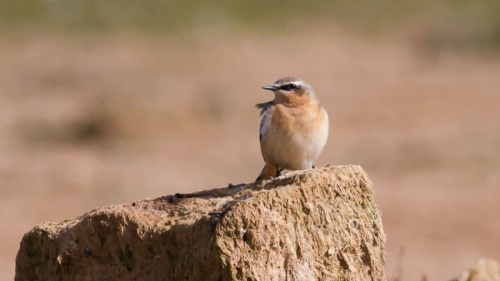 Rod Baker
Rutland Water
18 September 2013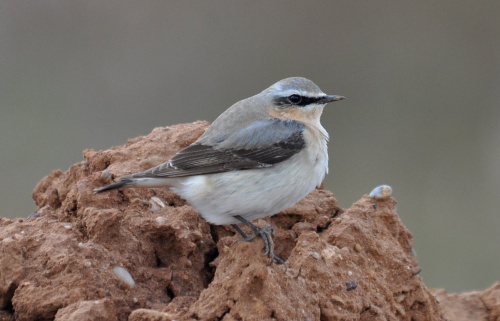 David Taylor
Brascote Sand Pits
30 April 2016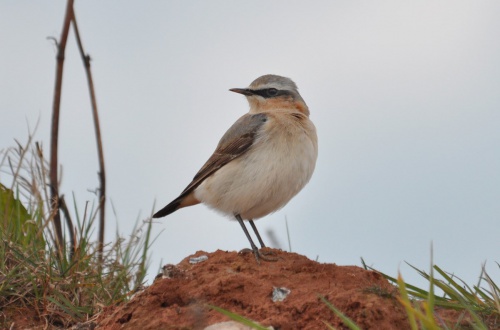 David Taylor
Brascote Sand Pits
30 April 2016