Mediterranean Gull - Ichthyaetus melanocephalus
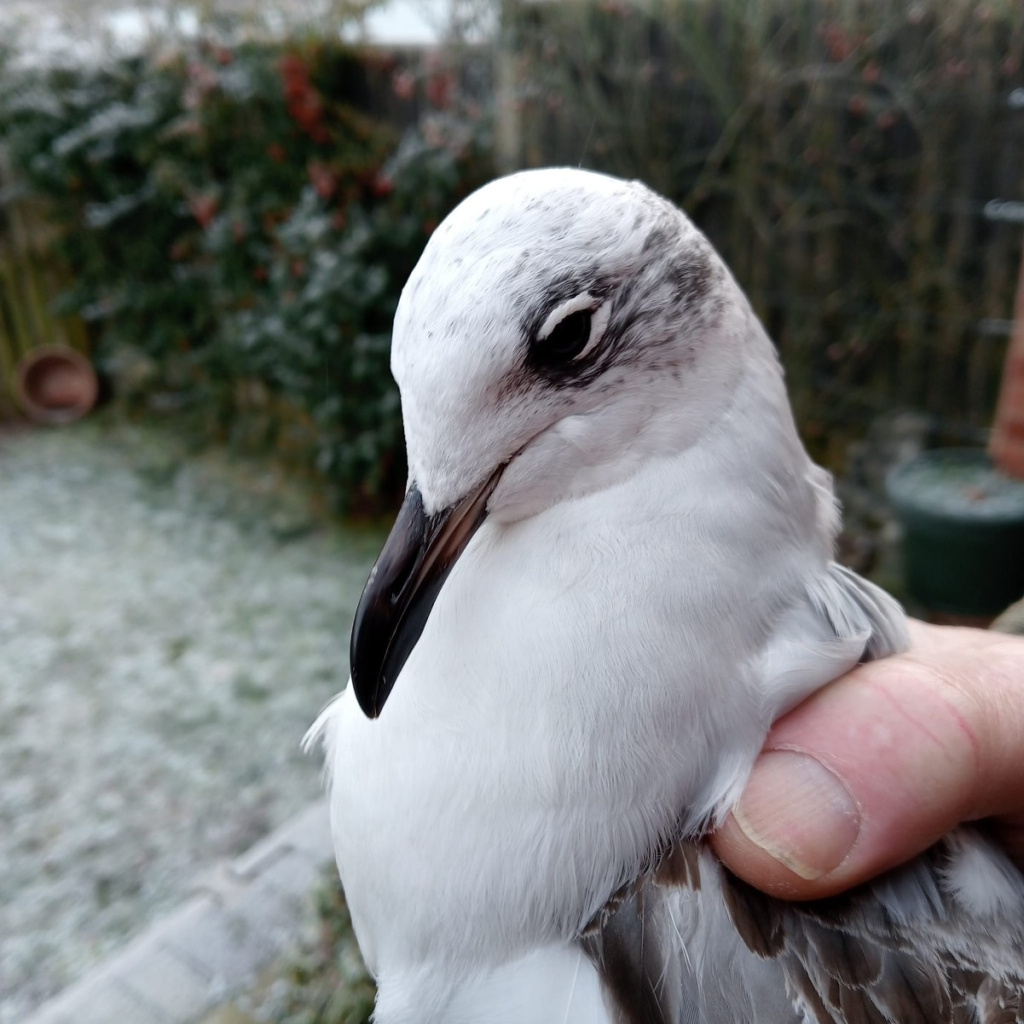
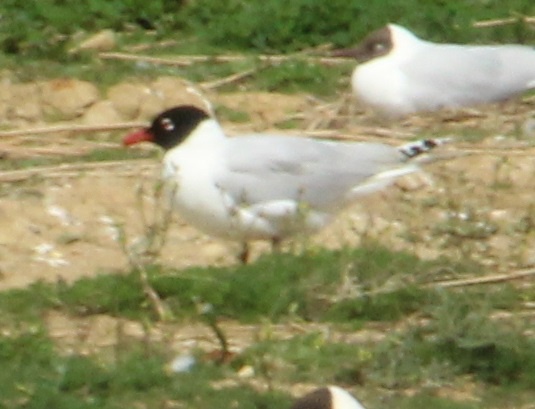
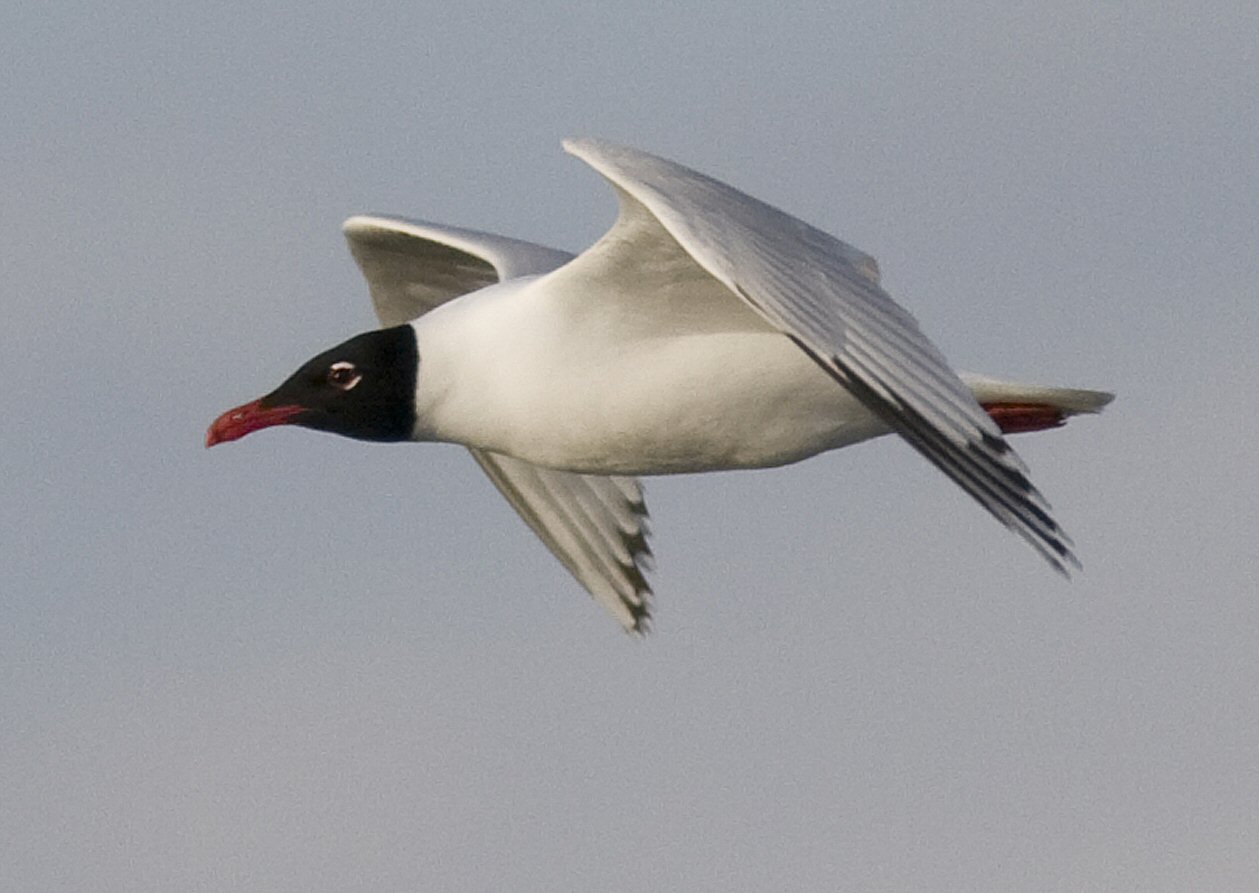
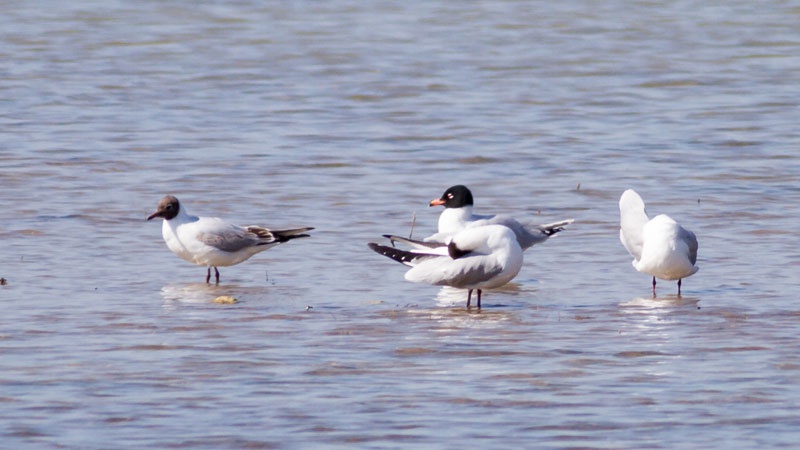
Slightly larger than a Black-headed Gull, with an all-black head in the breeding season. Adults have white wing-tips and underwings, younger birds have more wing markings. It has a large, slightly drooped beak, bright red when adult.

Mainly found along the east and south coasts of England. Most of the breeding population nest within Black-headed Gull colonies at coastal wetlands. More widespread in winter with some beaches in Norfolk and Kent attracting more than a hundred Mediterranean Gulls. Also found inland in small numbers wherever Black-headed and Common Gulls gather (especially in roosts on reservoirs).
All year round
Eats insects, fish, offal and carrion.
A very rare UK bird until the 1950s, it is widespread in winter and breeding in ever increasing numbers. Its recent UK breeding population of 110 pairs makes it an Amber List species.
The first VC55 record was of a summer plumaged adult at Rutland Water in 1980. It has now become a regular spring and autumn migrant with 20 to 35 records a year
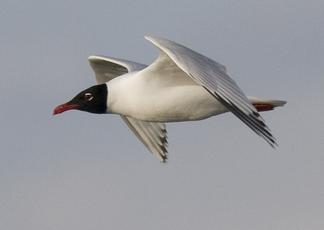 Chris Lythall
Rutland Water
24 April 2008
adult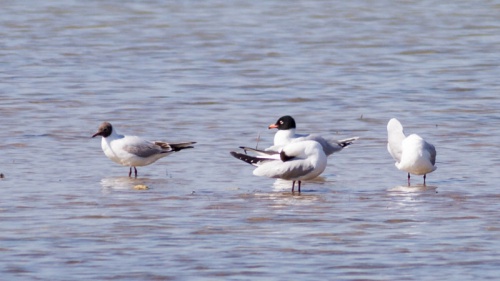 Rod Baker
Rutland Water
23 April 2015
Leicestershire & Rutland Map
Enter a town or village to see local records
MAP KEY:
Yellow squares = NBN records (all known data)
Coloured circles = NatureSpot records: 2025+ | 2020-2024 | pre-2020
UK Map
Species profile
- Common names
- Mediterranean Gull
- Species group:
- bird
- Kingdom:
- Animalia
- Order:
- Charadriiformes
- Family:
- Laridae
- Records on NatureSpot:
- 82
- First record:
- 24/04/2008 (Chris Lythall)
- Last record:
- 06/01/2026 (Judson, Nigel)
Total records by month
% of records within its species group
10km squares with records
The latest images and records displayed below include those awaiting verification checks so we cannot guarantee that every identification is correct. Once accepted, the record displays a green tick.
In the Latest Records section, click on the header to sort A-Z, and again to sort Z-A. Use the header boxes to filter the list.
Latest images
Latest records
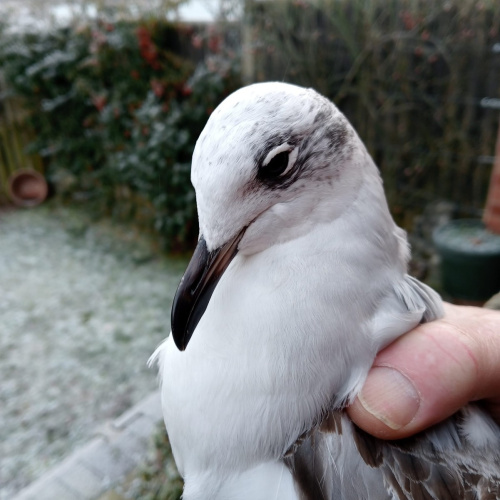 Nigel Judson
whitwick
06 January 2026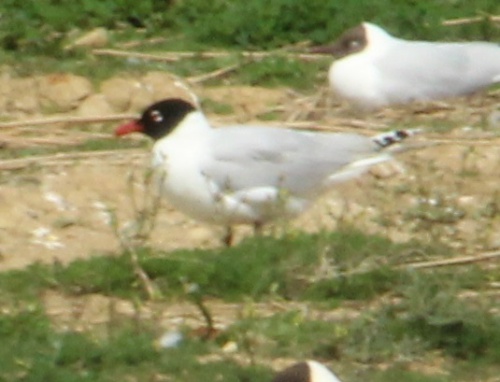 Simon Bennett
Rutland Water - Egleton Reserve
13 May 2022